Cruise Ship Bussing Robots: Faster Table Turns, Better Service

A great cruise dining experience depends on attentive service, smooth table turns, and crew having time to focus on guests. Bussing robots can handle repetitive transport between the galley and dining room, support faster table clearing and resets, and give servers and bussers more time for the service that requires a personal touch.

SHARE THIS POST

Faster table turns and more attentive service give cruise lines a stronger dining experience across every venue. Our cruise ship bussing robots support galley-to-dining room transport, giving bussers and servers more time at the table with guests.

The Current Landscape: Expanding Crew Capacity Across Cruise Dining Operations

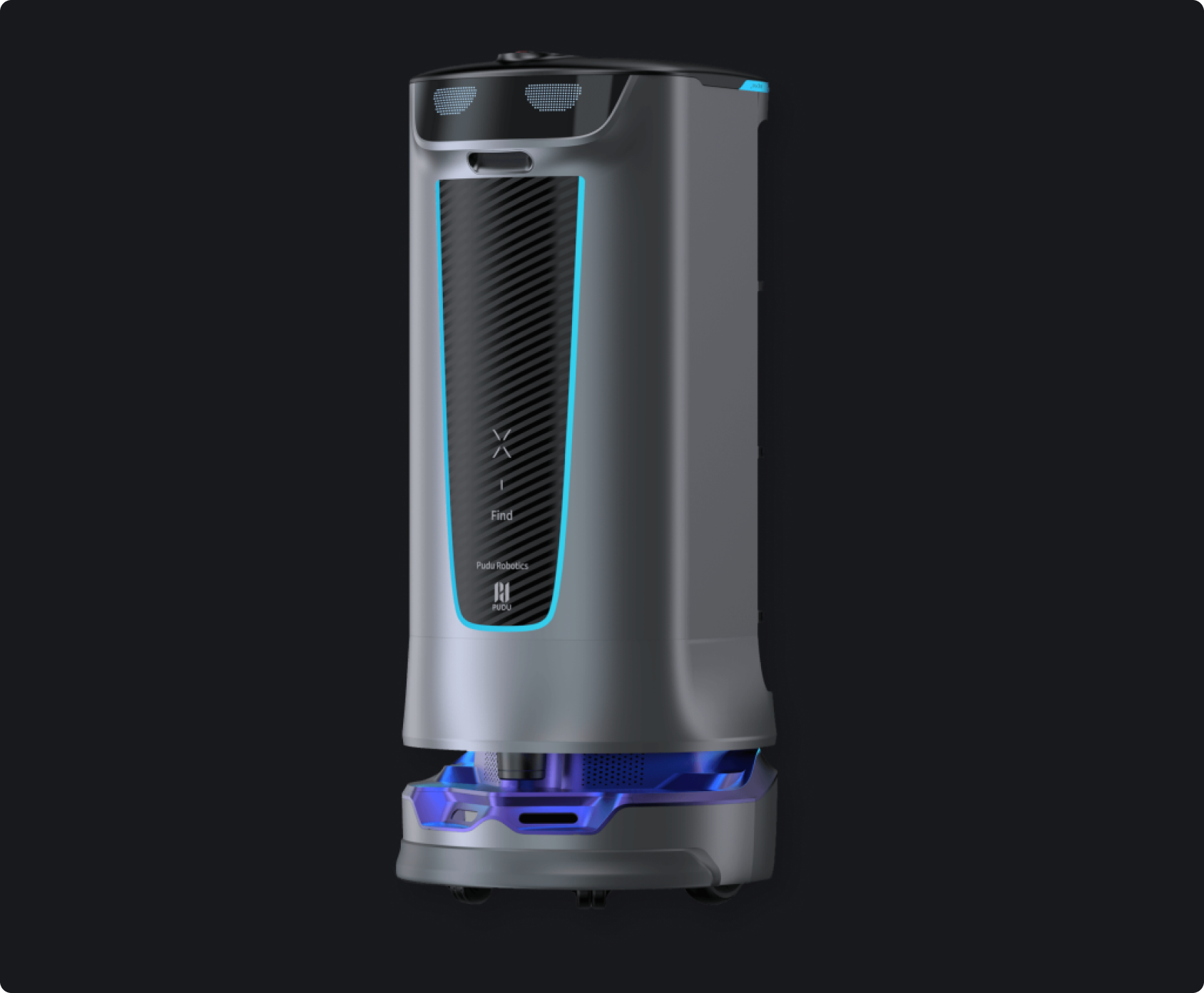
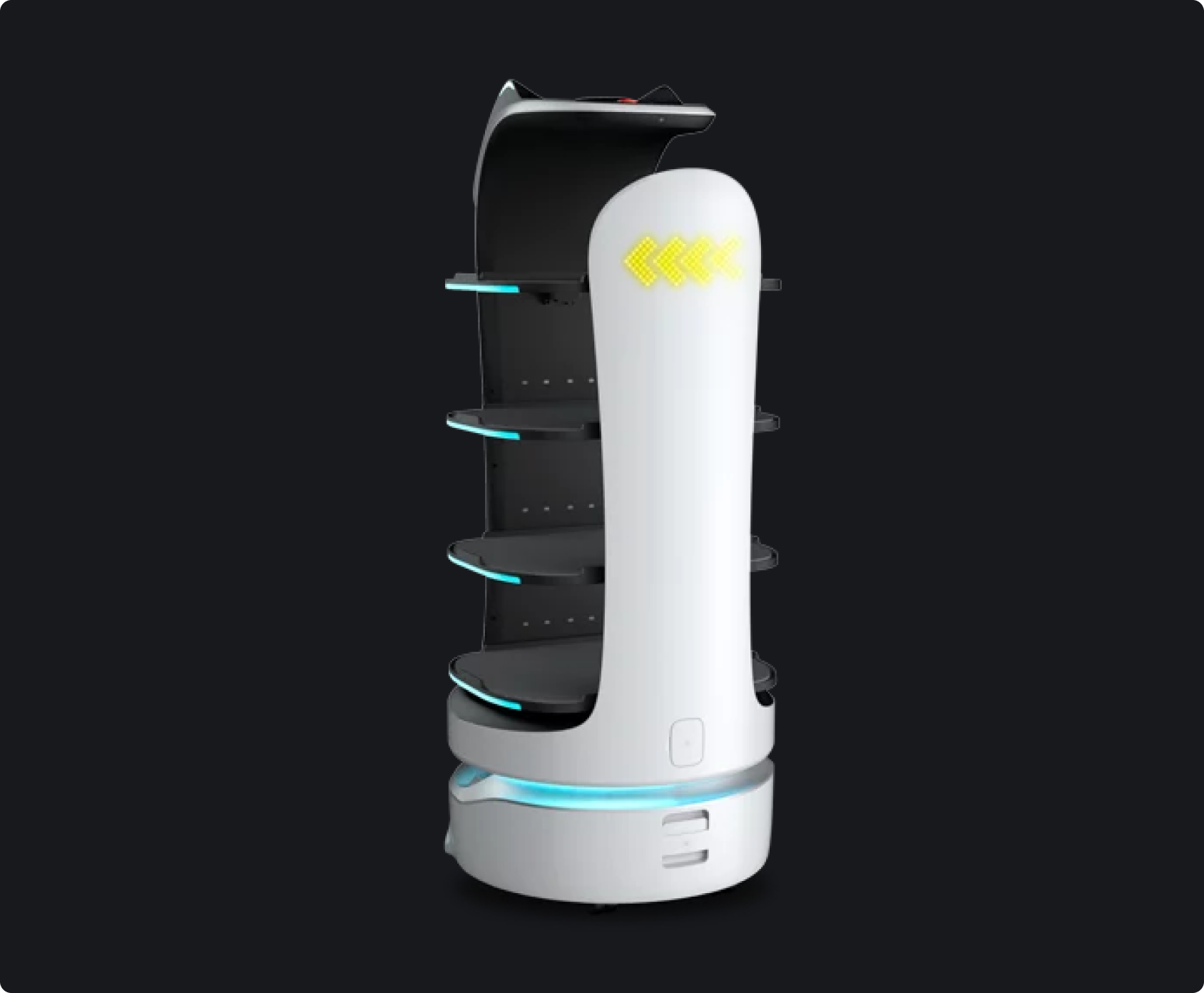
Our delivery robots support high-capacity transport for food, dishes, and tableware. They carry up to 60 kg and feature a 120-liter cabin with four adjustable tray levels. For cruise operations, Workwise Robotics benchmarks a 20–30% reallocation of crew labor costs, moving hours toward guest-facing roles. This gives cruise F&B leaders clear product capacity and a cruise-specific benchmark when assessing automation opportunities.

Why Do Cruise Ship Bussing Robots Fit Onboard Dining Operations?

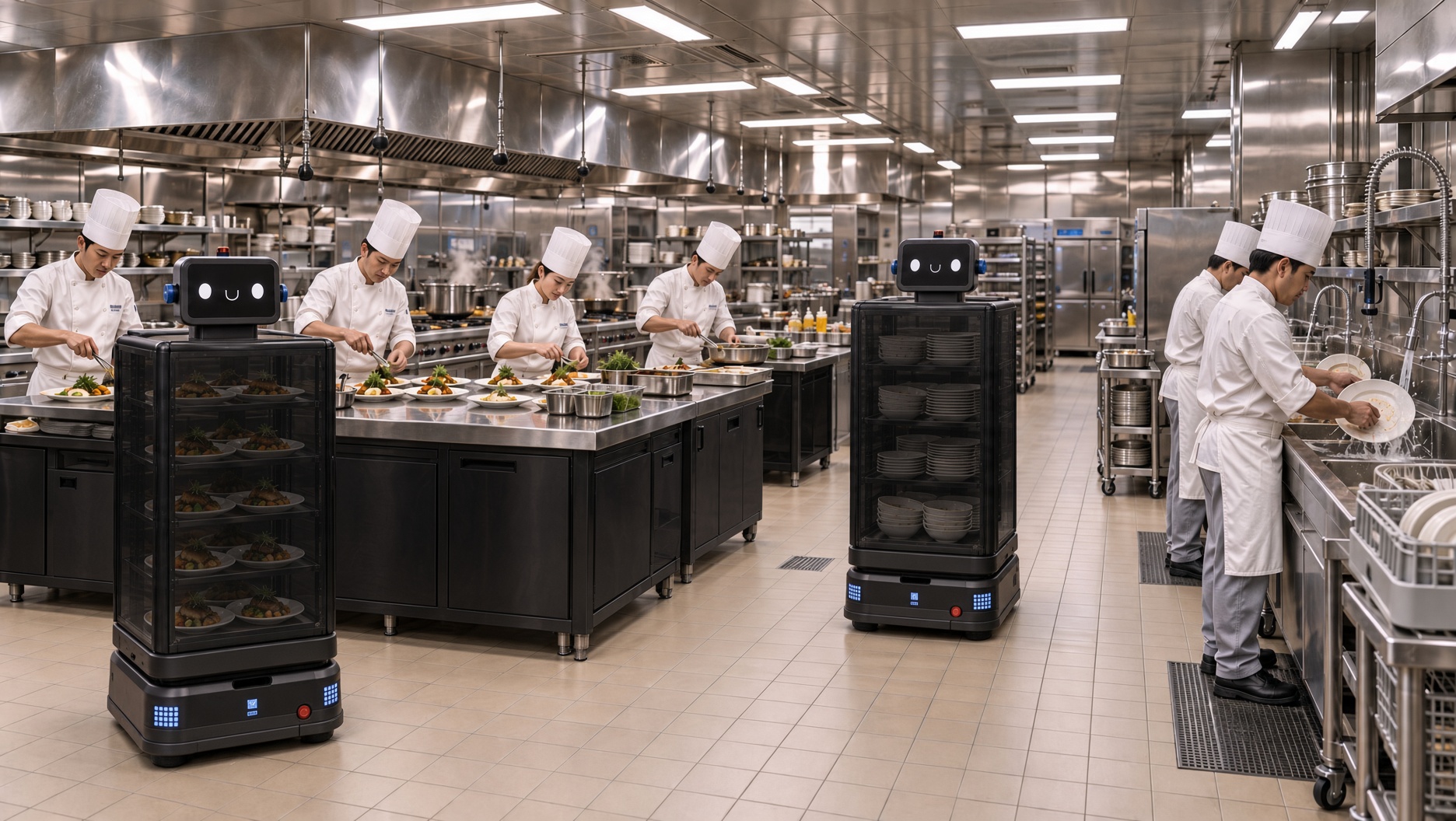
A large cruise ship serves thousands of meals per day across multiple restaurants, buffets, and specialty venues. Dining teams work in a steady rhythm between galley and dining room: clearing tables, resetting covers, and moving dishes through crowded service corridors.

Our cruise ship bussing robots support this rhythm. They handle routine transport of dishes between dining areas and the galley, giving bussers and servers more capacity for the work that requires their attention: checking in on guests, recommending wine pairings, and keeping service personal even on a packed night.

The result is a dining operation that keeps pace through peak seatings without adding pressure to existing crew schedules.

How Do Cruise Ship Bussing Robots Work in the Galley-to-Dining Flow?

Our robots are designed to support food delivery, bussing, and other repetitive transport tasks.

Core capabilities:

  • High-capacity transport: Our delivery robot carries up to 60 kg and has four adjustable tray levels within a 120-liter cabin.
  • Bussing support: Robots can transport dishes and tableware, supporting table clearing and dining-room flow.
  • Food delivery: Our food runner robots handle autonomous delivery while staff focus more on guests.
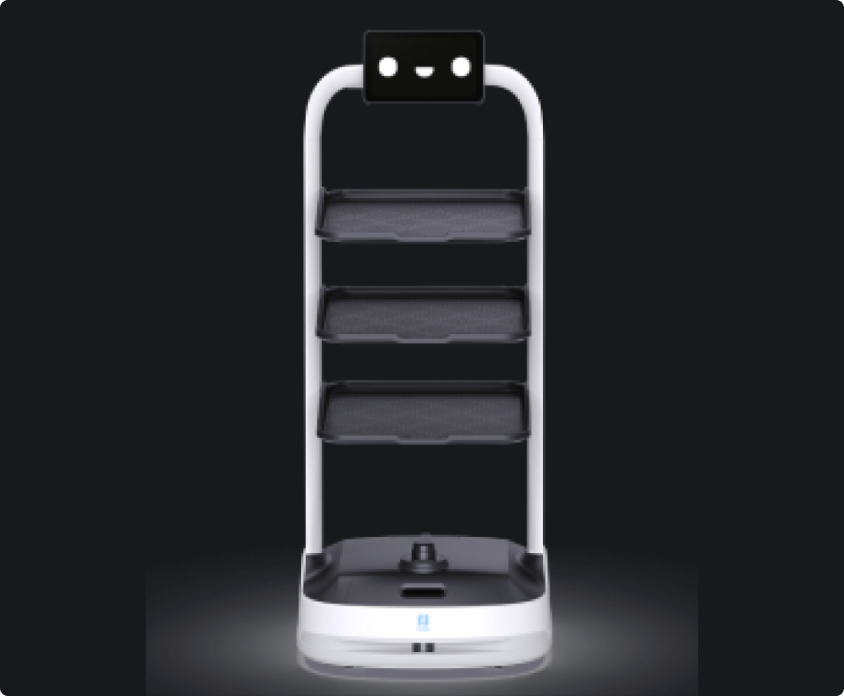
  • Navigation: Workwise waiter robots use lidar and visual SLAM positioning and navigation, along with obstacle-avoidance technology.
  • Fleet management: Cloud-based tools support scheduling, operation and maintenance, data collection, and fleet management.

Crew members remain in control of the operation. They set routes, prioritize high-traffic seatings, and adjust service flow based on guest activity. The robots handle the repetitive transport. Crew handles the guest interactions.

NEWSLETTER

Want to stay up to date with news and updates about our product? Subscribe.

TOP REPORT

Gain special privileges to our premium report! Unlock exclusive insights and information that are not available anywhere else.

Introducing Workwise Robotics, where cutting-edge robotics technology meets unparalleled hospitality service.

The Current Landscape: Faster Table Turns and More Crew Capacity

  • Faster table turns. Our cruise ship restaurant robots handle routine transport of dishes and tableware, supporting quicker table clearing and resets during busy service periods
  • More crew capacity. Robots take on repetitive transport tasks, giving dining teams more time for guest-facing work and service.
  • Measurable results. F&B leaders can track table-reset time, crew transport minutes, guest-service time, and dining satisfaction during a pilot. These measures also create a consistent baseline for future deployment decisions.

How Do Bussing Robots Improve the Cruise Dining Experience?

For F&B directors and guest experience leaders, the impact shows up in the dining room.

Table turnover. When cleared dishes leave the table sooner, the next party can be seated sooner. Bussing robots keep dishes and tableware moving to the galley, which supports quicker resets through peak seatings.

Guest-facing service. When robots handle repetitive transport, crew can spend more time on table check-ins, recommendations, requests, and other service that require human attention.

The Operational Opportunity: Where to Start With Cruise Dining Automation

Start by identifying where galley-to-dining transport creates the greatest demands on your dining teams during peak seatings. Workwise Robotics helps F&B leaders assess service routes, identify high-volume transport tasks, and determine where our robots can support existing workflows. Through Workwise Academy, dining teams can learn to manage robotic fleets and integrate them into daily service.

Request a cargo transport workflow assessment to identify where cruise automation can support your onboard operation.

What Should Cruise F&B Leaders Measure in a Bussing Robot Pilot?

Before launching a pilot, F&B leaders should establish a baseline for the workflows they want to improve. During the pilot, track the same measures across comparable service periods.

Table-clear and reset time. Measure how long it takes to clear a table and prepare it for the next guest. Compare average times before and after introducing robotic transport during similar service periods.

Crew minutes spent transporting dishes. Track how much crew time goes toward moving dishes, tableware, and other items between dining areas and the galley.

Time available for guest service. Measure the time servers and bussers spend on guest-facing activities during peak periods, including table check-ins, recommendations, and responding to requests.

Dining satisfaction. Use the cruise line’s existing guest-feedback process to compare satisfaction results before and during the pilot.

Together, these measures give F&B leaders a clearer view of how the pilot affects table turnover, crew allocation, guest-facing service, and dining satisfaction.

The Business Case for Cruise Executives

A pilot gives cruise operators measurable data for evaluating cruise dining automation without relying on benchmarks from unrelated environments.

Outcome to Measure What to Track
Table turnover
Average time to clear and reset a table
Crew transport time
Minutes spent moving dishes and tableware
Guest service capacity
Time available for guest-facing service
Dining satisfaction
Guest satisfaction before and during the pilot

How Do Cruise Lines Implement Cruise Bussing Automation?

Cruise dining environments require automation that fits established service workflows and busy operating periods.

Galley-to-dining routing. Map the route from the galley pass to each dining room once, and the robot repeats it every seating, so the server who would otherwise be carrying a tray is at the table recommending the wine.

Workflow integration. Crew members load the robot, dispatch it, and continue working the dining room while the robot handles the transport.

Crew training and oversight. Workwise Academy can help dining teams learn to manage robotic fleets and integrate them into daily service. Crew members remain responsible for oversight, quality checks, and changing guest needs.

The Path Forward

In cruise dining, the guest experience is shaped by the moments crew members create at the table. Faster table turns and more attentive service help make a voyage memorable.

Workwise Robotics supports cruise lines with implementation, training, and ongoing support. Through Workwise Academy, existing dining teams learn to manage bussing robots and integrate them into daily service. Our Robots-as-a-Service model aligns with operating budgets.

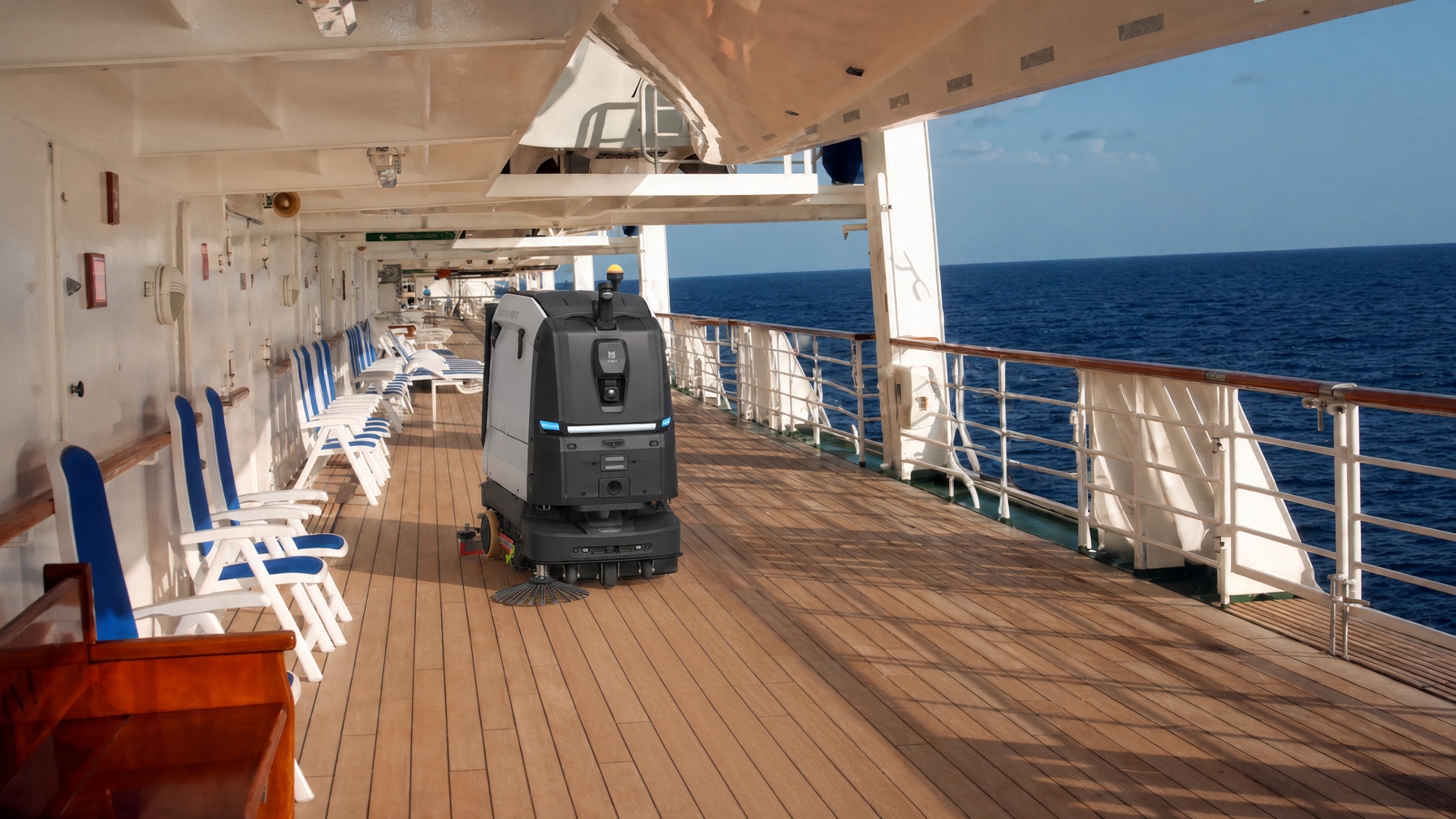
For a related look at how robots support cruise operations, read our guide on Autonomous Cleaning at Sea: How Cruise Lines Maintain Spotless Public Spaces Around the Clock.

Discover how our bussing robots can help improve cruise dining experience, give your team more capacity for guests, and keep service moving through busy meal periods. Schedule a dining workflow assessment.

Source: Workwise Robotics, Transportation: Supports the 20–30% reallocation of staffing costs figure and the broader transportation automation context. It also publishes a 0.5–1.0 increase in passenger satisfaction.

Source: Workwise Robotics, Delivery Robot: Supports the 60 kg capacity, 120-liter cabin, and four adjustable tray levels.

Source: Workwise Robotics, Waiter Robots: Supports bussing/table-clearing applications, food delivery, lidar and visual SLAM, obstacle avoidance, fleet management, and battery-swap capabilities.

Source: Workwise Robotics, Food Runner: Supports autonomous food delivery and the positioning of robots as a way to give human staff more time to focus on guests.

Source: Workwise Robotics, Hospitality: Supports the broader hospitality positioning around using robots to streamline workloads and give staff more time to focus on guests.

NEWSLETTER

Want to stay up to date with news and updates about our product? Subscribe.

TOP REPORT

Gain special privileges to our premium report! Unlock exclusive insights and information that are not available anywhere else.

Introducing Workwise Robotics, where cutting-edge robotics technology meets unparalleled hospitality service.

Explore our Robots

Learn how the best hospitality brands are using Workwise Robotics as their robotics staffing partner

New era of guest services

Bussing

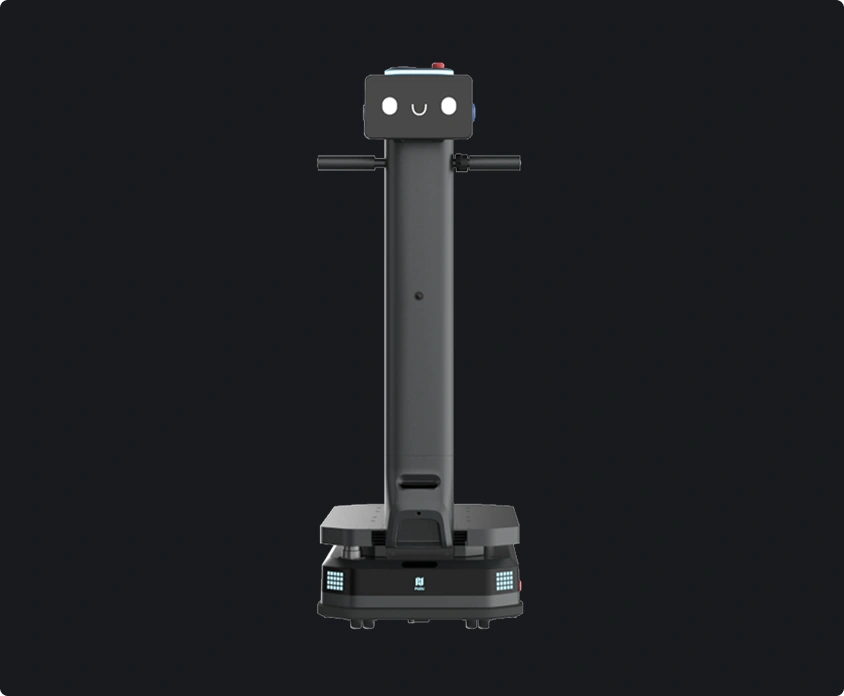
Bussing robot designed with larger storage for dishes and large items.

New era of guest services

Waiter

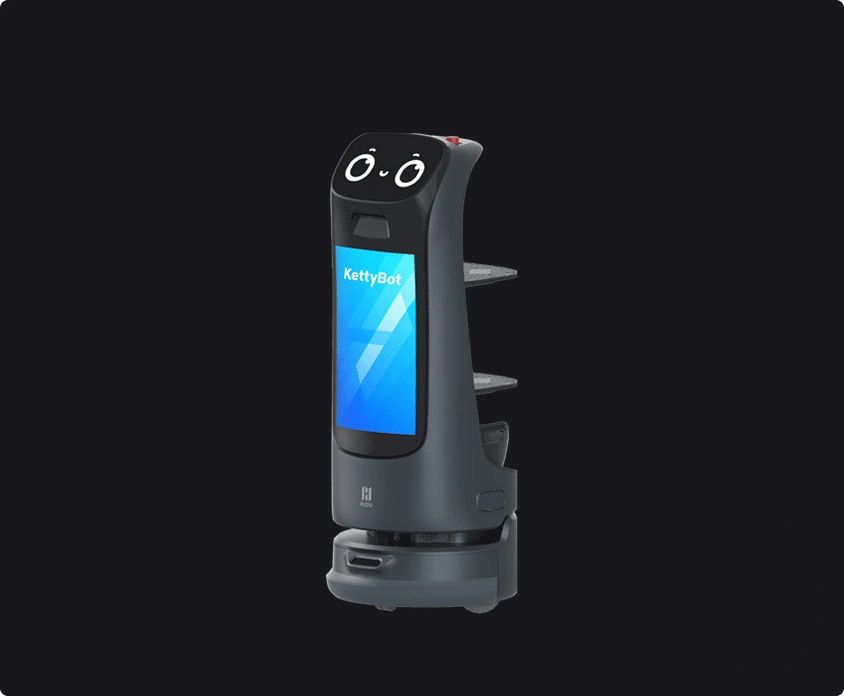
Interactive food runner designed for ordering and carting items

New era of guest services

Food runner

Alleviates the workload on human staff, allowing them to focus on providing exceptional customer service and attending to guests needs.

New era of guest services

Room Delivery

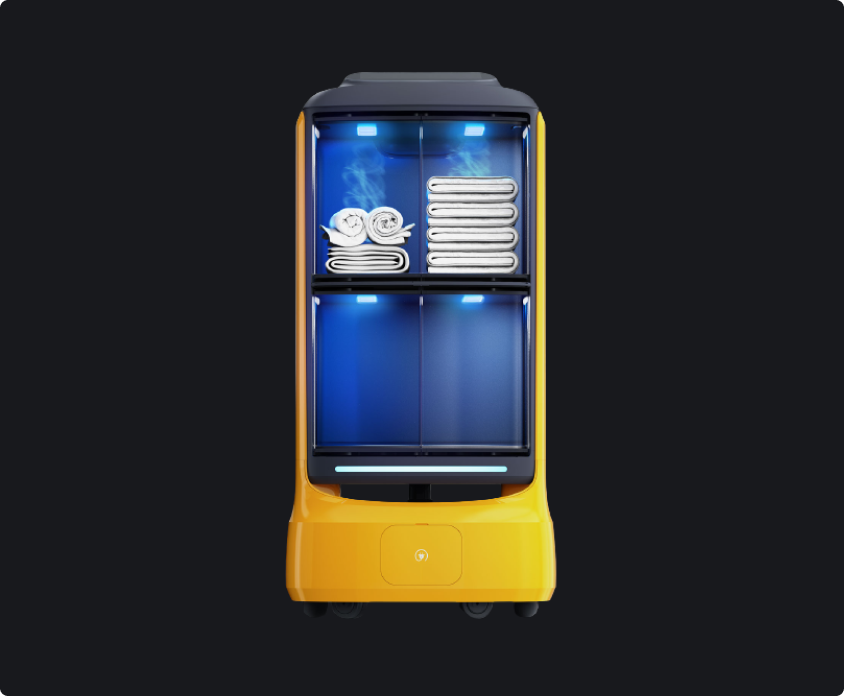
Room delivery robot with large and disinfecting storage.

New era of guest services

All Purpose Cleaning

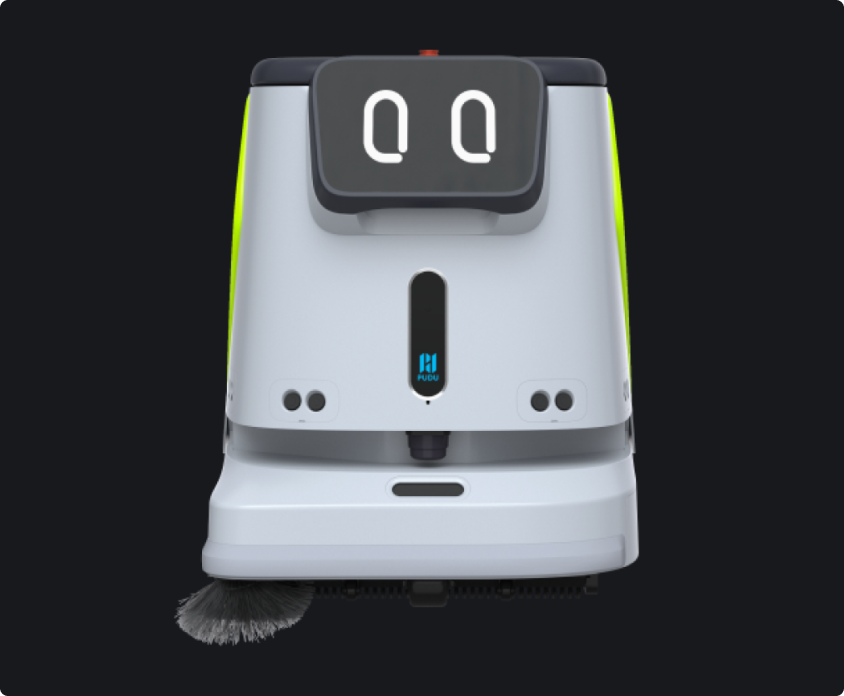
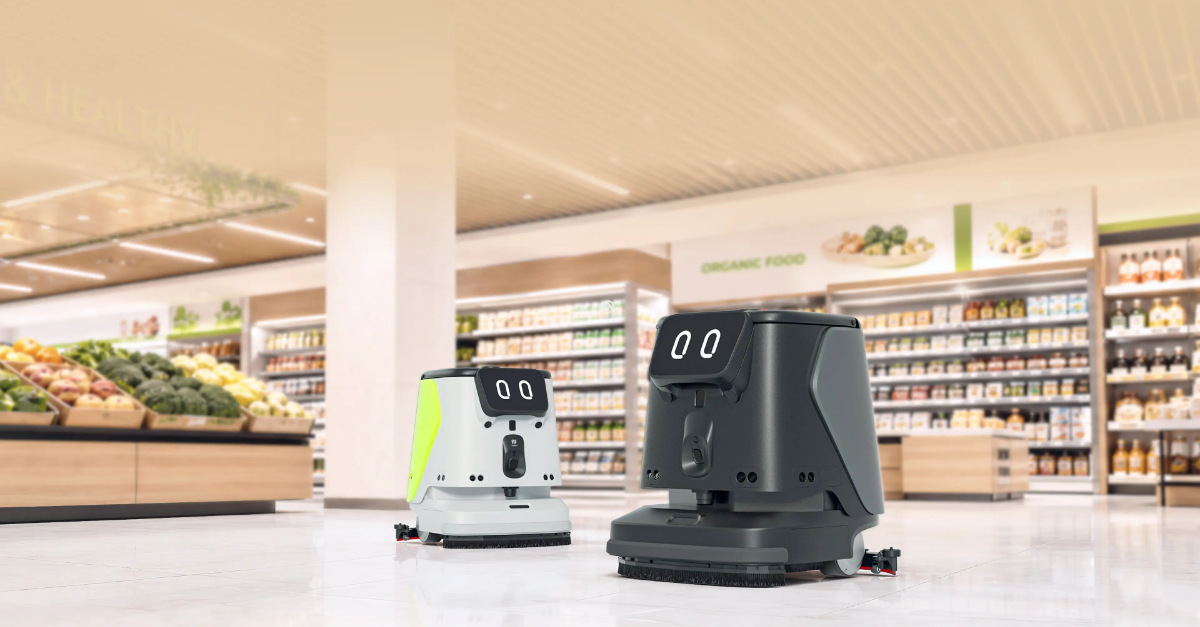
4-in-1 cleaning robot with vacuuming, sweeping, scrubbing, and mopping capability.

New era of guest services

Heavy Duty Cleaning

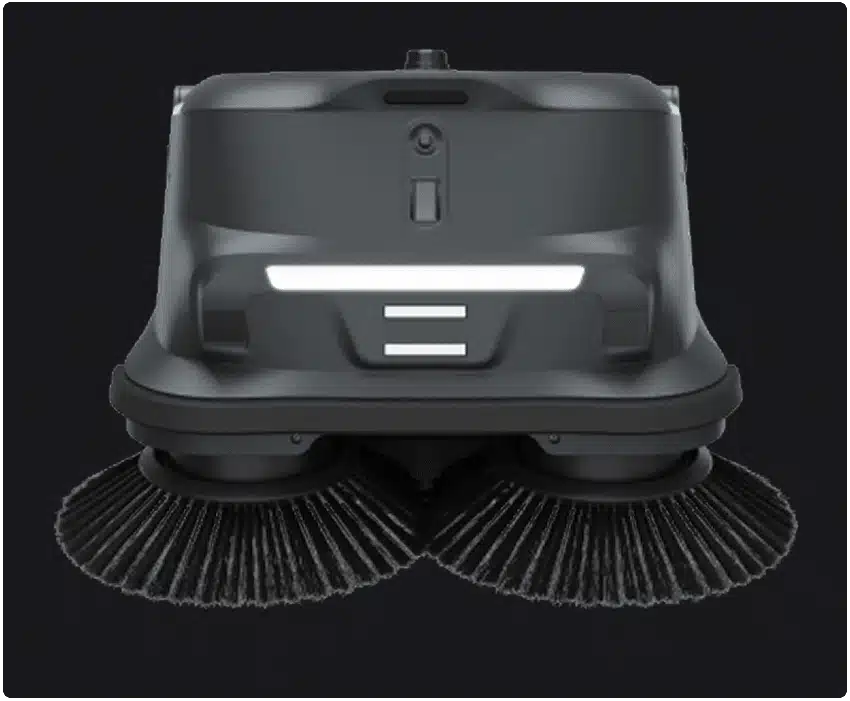
Heavy duty cleaning robot designed for large hard to clean large back of the house spaces.

New era of guest services

Cargo Distribution

Heavy duty delivery robot for handling large and heavy payloads up to 600kg.

New era of guest services

Marketing Concierge

Customer success concierge service robot to assist with customer needs.

Other related posts