Cruise Ship Robotics Implementation: A Multi-Ship Playbook
With over 70% of hotels reporting that events contribute substantially to their revenue streams, the integration of robotics
Guest-facing robotics can make cruise services more convenient and responsive while giving crew more time for personal interactions. From wayfinding, room delivery, to dining support, the robots make routine touchpoints easier while preserving the human character of hospitality.
Guests are ready for technology that makes service easier. A 2022 Oracle Hospitality and Skift study found that 74% of travelers were interested in hotels using AI to tailor services and offers, while 73% were more likely to stay at hotels offering self-service technology. Workwise reports a 0.5–1.0 increase in customer rating stars as a robotics benchmark. Because the Oracle and Skift research comes from hotels, we recommend measuring results before and after deployment on your own ship.
A cruise experience is shaped by hundreds of small interactions: finding the right theater before a show, locating a restaurant, requesting an amenity, or getting an answer when plans change. Making those moments easier gives the crew more room to create the personal experiences guests remember.
Hotel guest research points to strong interest in personalization and self-service technology. A 2022 Oracle Hospitality and Skift study found that 74% of travelers are interested in hotels using AI to better tailor services and offers, while 73% are more likely to stay at a hotel offering self-service technology.
For cruise lines, the opportunity is not to make hospitality less personal. It is to create more space for personal service and improve cruise guest satisfaction.
A guest-facing wayfinding robot can do more than point passengers toward a destination. It can provide directions around the ship, help guests discover restaurants and entertainment venues, and support promotional or informational interactions.
Cruise ship guest services automation gives crew more time for personal service by supporting routine requests. For example, a first-time guest looking for the theater before an evening show could receive immediate directions rather than waiting at a busy service desk. Meanwhile, a crew member can spend that time helping another guest resolve a booking question or arrange a special request.
The value of cruise ship wayfinding robots is therefore not technology for its own sake. It is the combination of immediate assistance and human hospitality.
Room and amenity delivery is another opportunity to make the onboard experience more convenient.
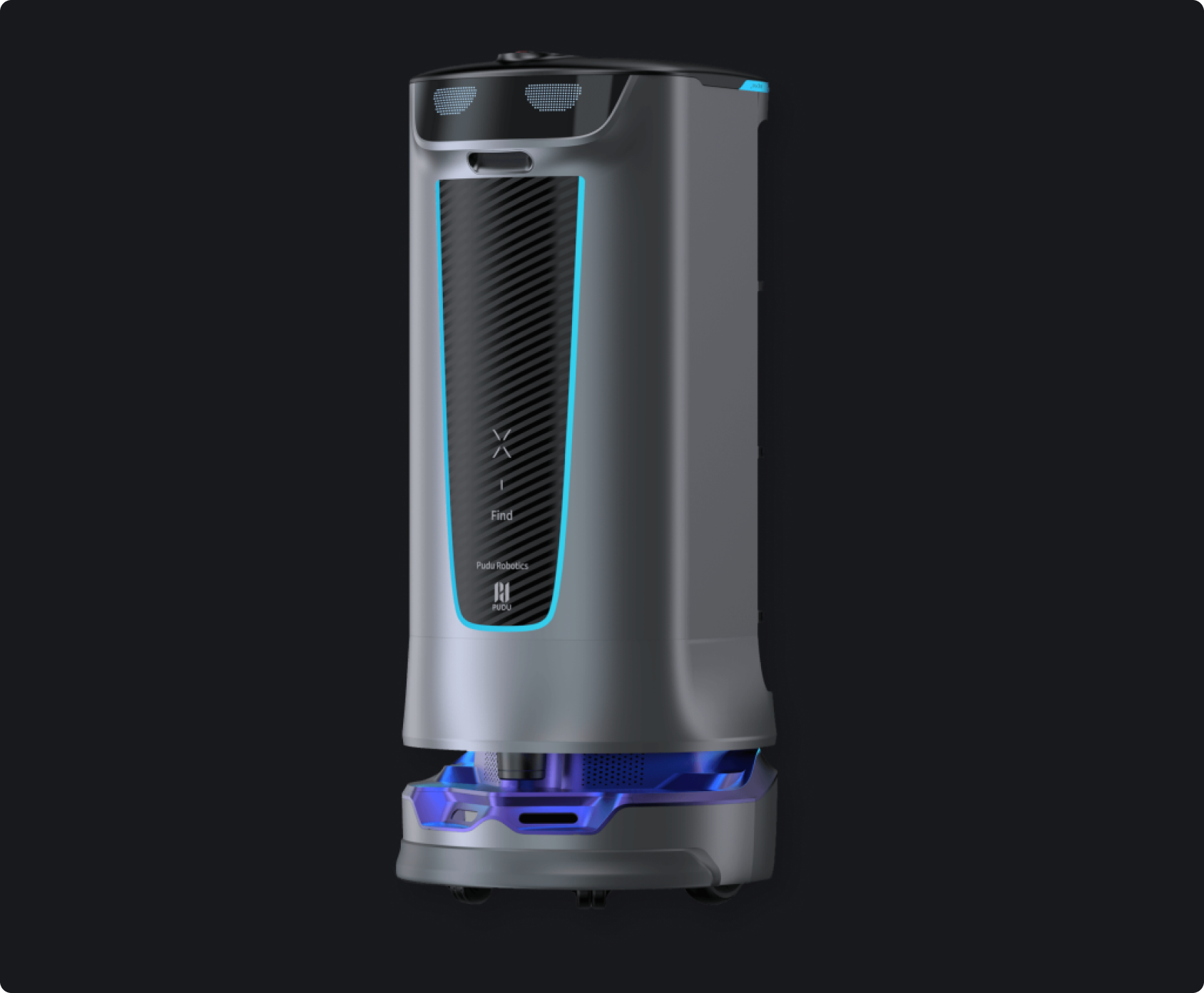
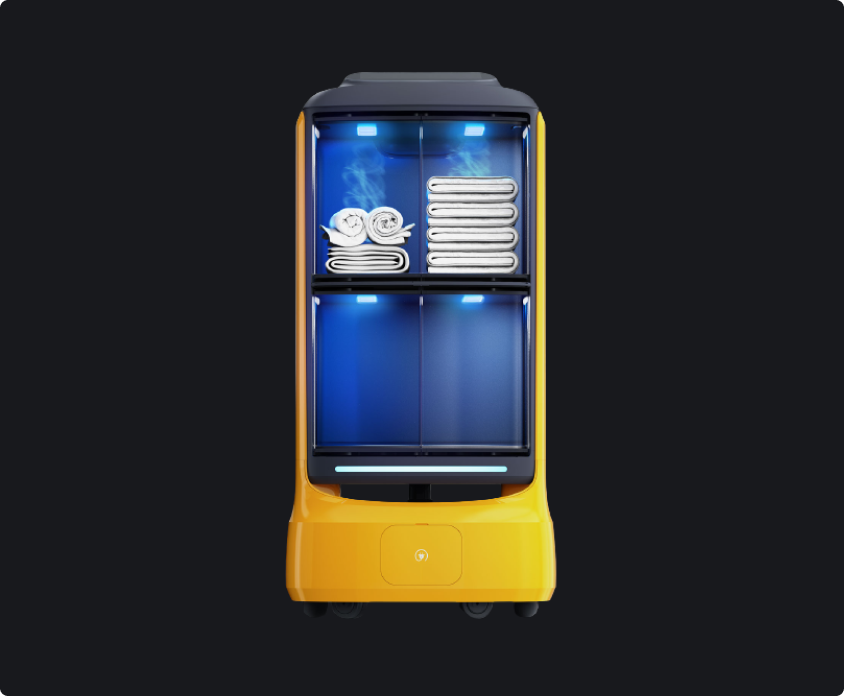
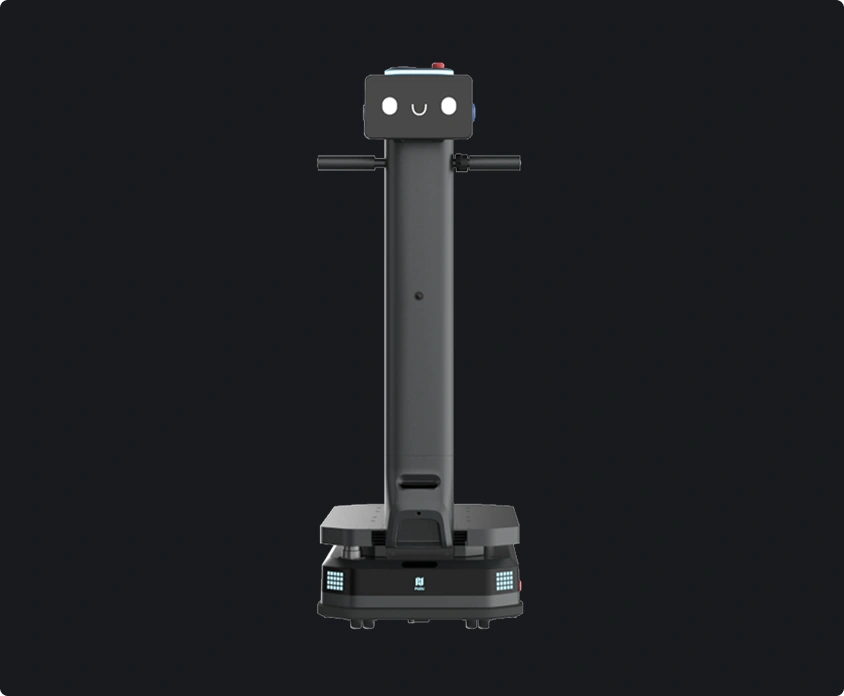
A room delivery robot can transport food and amenities while using automated elevator access and arrival notifications to support deliveries across floors. Our room delivery robot supports quick, reliable service with automatic elevator calling, automatic charging, voice interaction, and delivery notifications.
For a guest settling in after a long day, a late-night request can arrive at the cabin door with a notification, while the crew member who would otherwise be walking the tray is at the desk helping another guest with a special request.
The same human-and-robot model can extend into onboard dining.
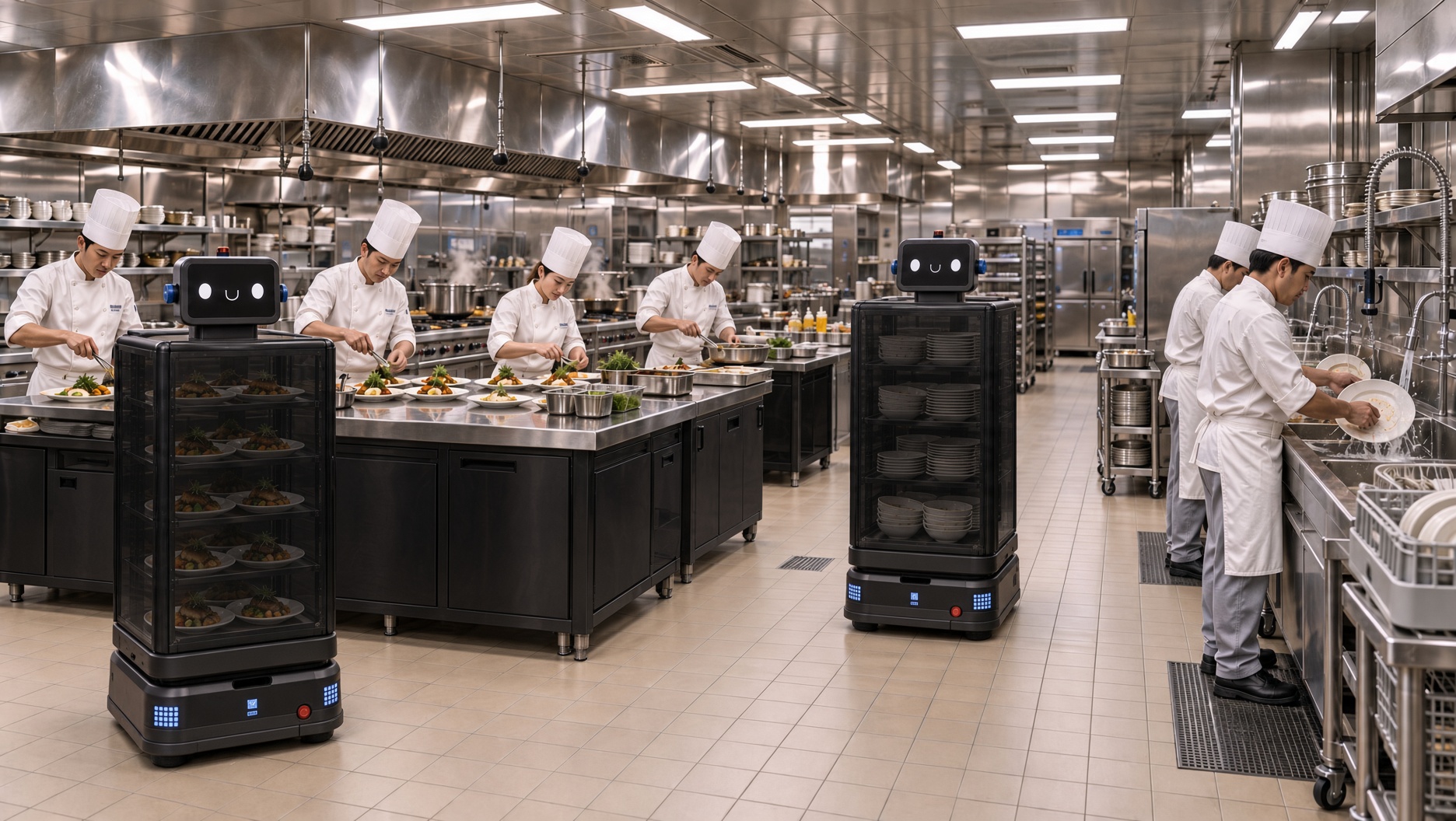
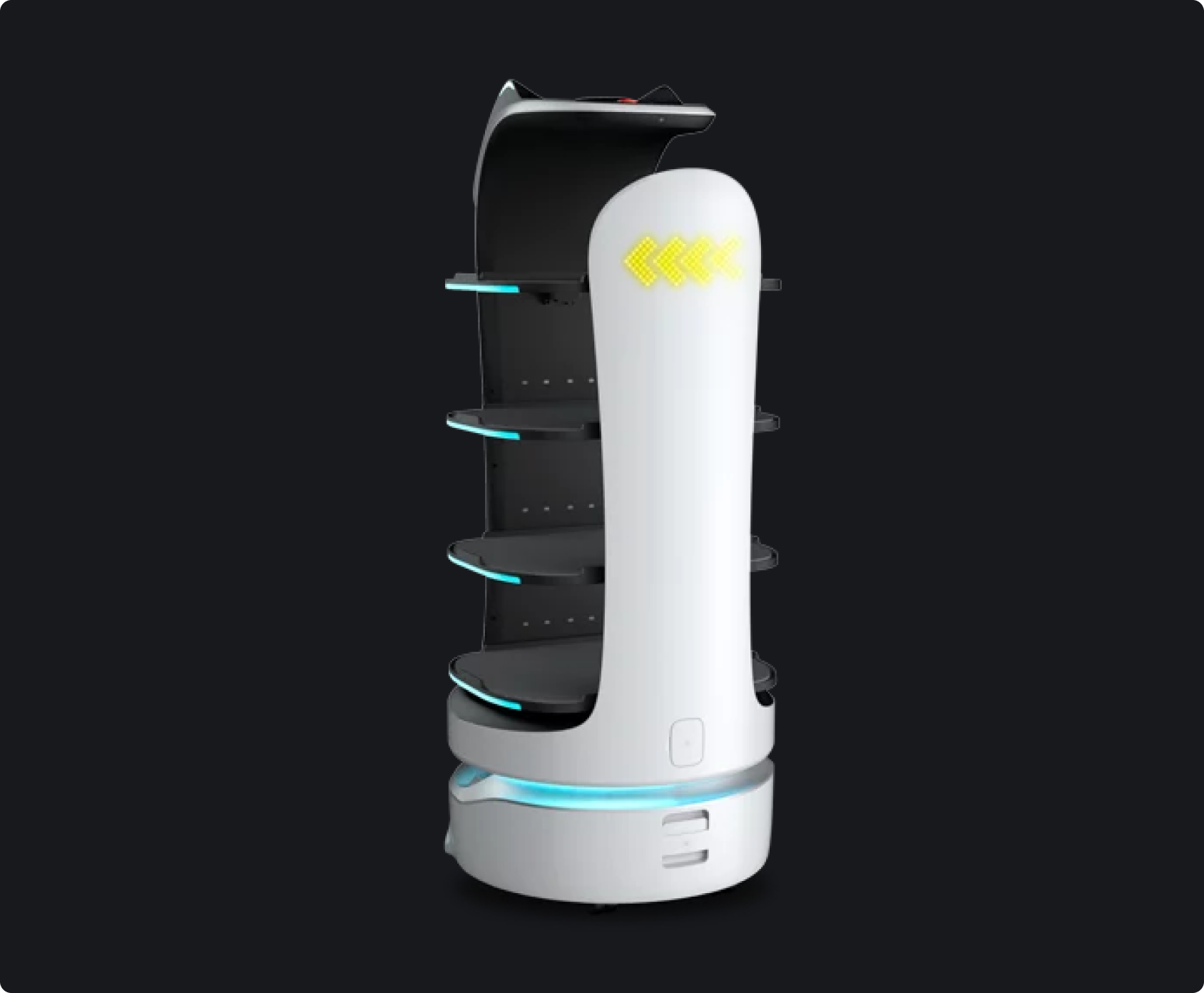
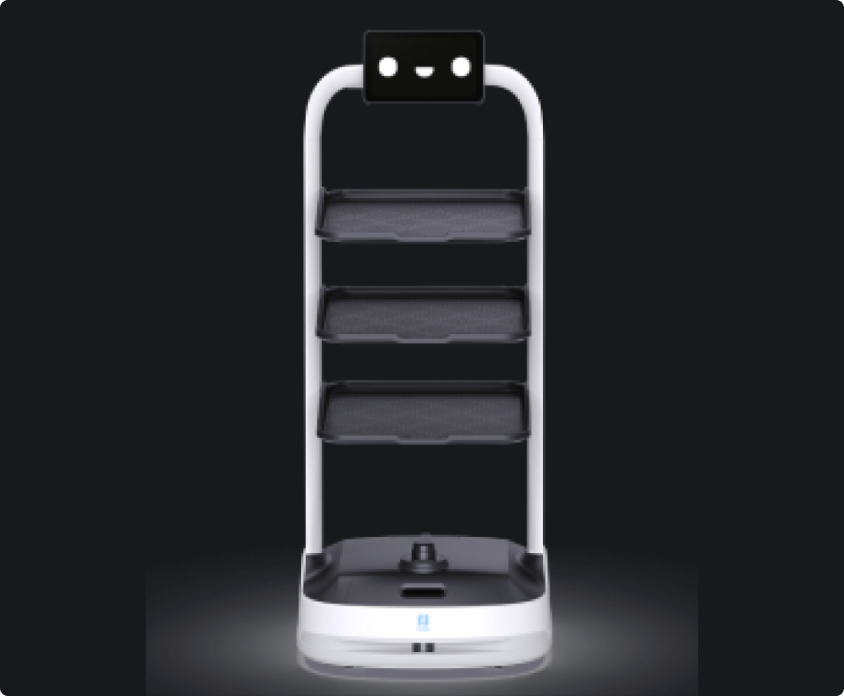
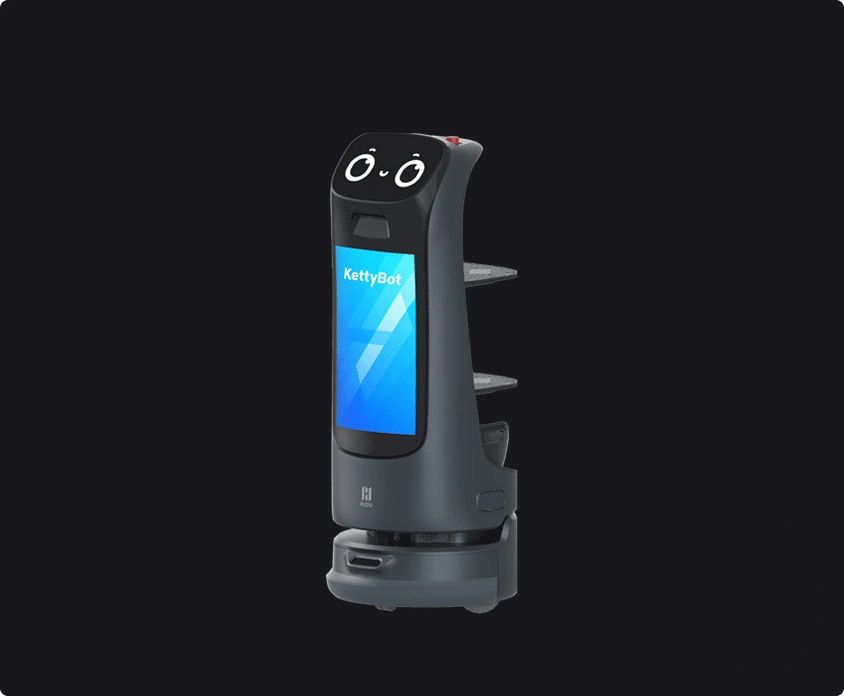
Food runner robots can support the movement of meals and other items, allowing servers to spend more time with guests. Food runner robots handle the delivery so servers can focus on the guest experience.
That can change the quality of the interaction. Instead of dividing attention between transporting items and serving guests, the crew can focus on recommendations, answering questions, checking in on tables, and responding to individual preferences.
For cruise operators, the opportunity is therefore broader than moving food faster. It is about giving guest-facing teams more time to deliver hospitality.
The strongest robotics programs connect operational improvements to guest and commercial outcomes.
Operators can compare customer rating stars before and after deployment, track response times for room and amenity requests, and monitor how often guests use wayfinding or delivery services. Social engagement and onboard spending can also help reveal whether robotic touchpoints are encouraging guests to discover, purchase, or interact with more of the ship’s offerings.
The goal is not to measure robotics for its own sake. It is to determine whether each deployment makes services easier to access, gives crew more time for meaningful interactions, and strengthens the overall guest experience.
|
Metric |
What it means for cruise operators |
|
Interest in AI-tailored hotel services |
74% — 2022 Oracle Hospitality and Skift hotel study |
|
Preference for hotel self-service technology |
73% — 2022 Oracle Hospitality and Skift hotel study |
|
Customer rating stars |
0.5–1.0 increase — Workwise robotics benchmark |
|
Service response time |
Measure before and after delivery automation |
|
Onboard spending |
Measure whether improved service access supports additional guest purchases |
Sources: Workwise Robotics data and benchmarks; Oracle Hospitality and Skift.
Cruise hospitality is ultimately about how guests feel throughout their journey. Robotics can make routine services more convenient while allowing crew to stay focused on judgment, personalization, service quality, and guest relationships.
Wayfinding, room delivery, and dining support can handle logistics in the background while employees create the moments guests remember. The result is not less hospitality. It’s more opportunities for the crew to deliver it.
Explore how guest-facing robotics can differentiate your cruise experience and support more memorable service. Request a guest journey mapping session.
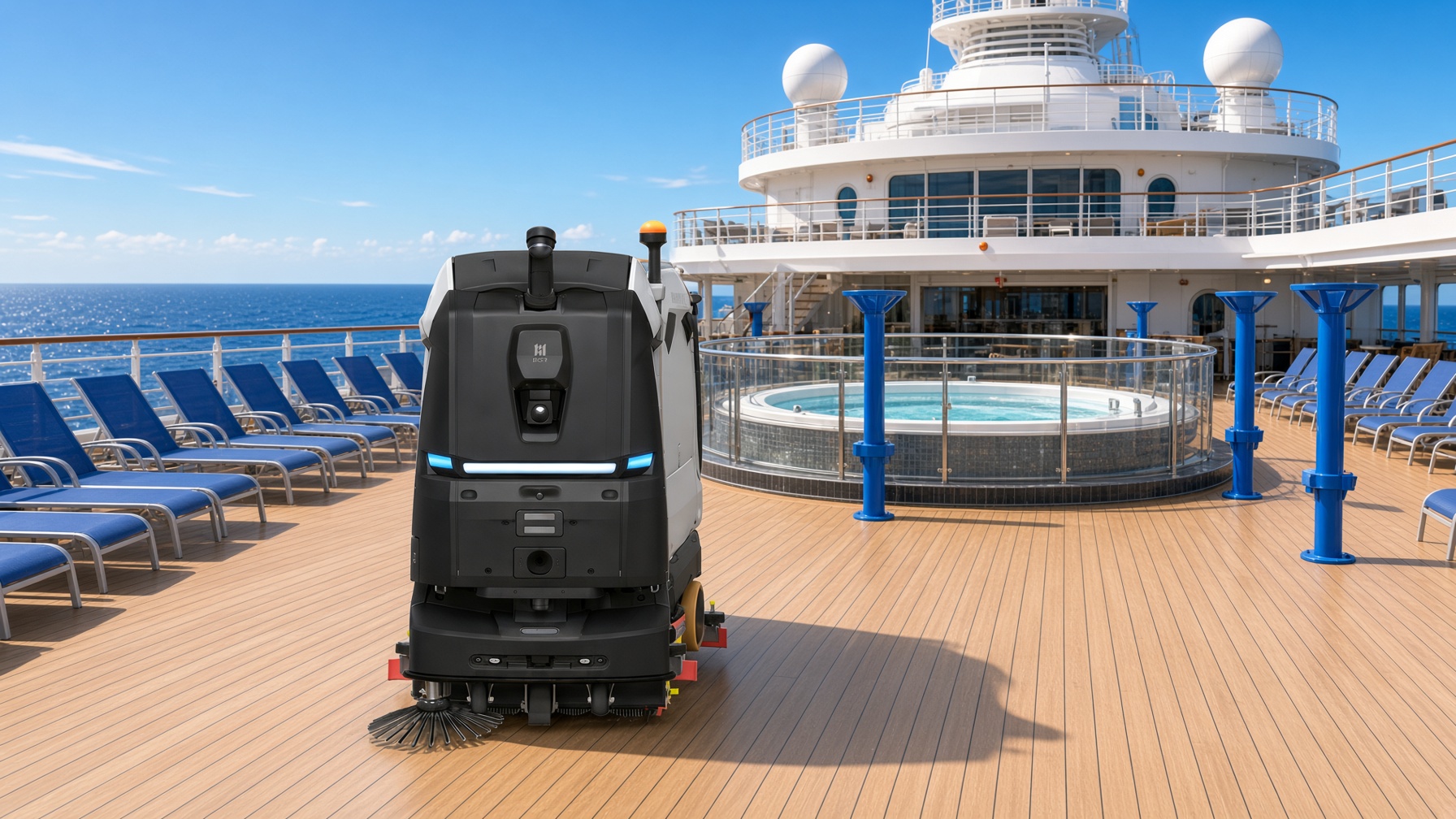
Read more about Autonomous Cleaning at Sea: How Cruise Lines Maintain Spotless Public Spaces Around the Clock to explore another way robotics can support the onboard experience.
Source: Workwise Robotics, Room Delivery: Room-service and amenity delivery capabilities, automated elevator access, arrival notifications, time-to-service positioning, and the role of robotics in supporting hospitality staff.
Source: Workwise Robotics, Food Runner: Food-running workflows and the human-and-robot model that gives hospitality employees more time to focus on guests.
Source: Workwise Robotics, Hotel: Hospitality benchmarks covering personalization, self-service, guest experience, and service speed.
Source: Oracle Hospitality and Skift, 2022: Supports the 74% and 73% hotel guest findings on AI-tailored services and self-service technology.
Learn how the best hospitality brands are using Workwise Robotics as their robotics staffing partner
Bussing robot designed with larger storage for dishes and large items.
1 / 5
Interactive food runner designed for ordering and carting items
1 / 5
Alleviates the workload on human staff, allowing them to focus on providing exceptional customer service and attending to guests needs.
1 / 5
Room delivery robot with large and disinfecting storage.
1 / 5
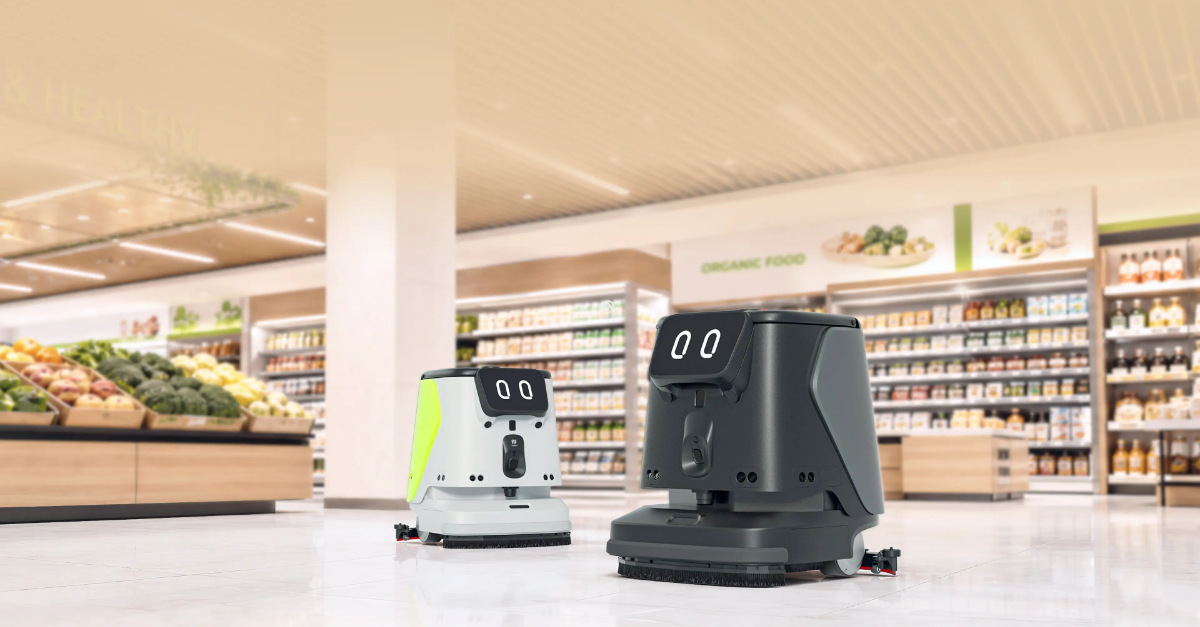
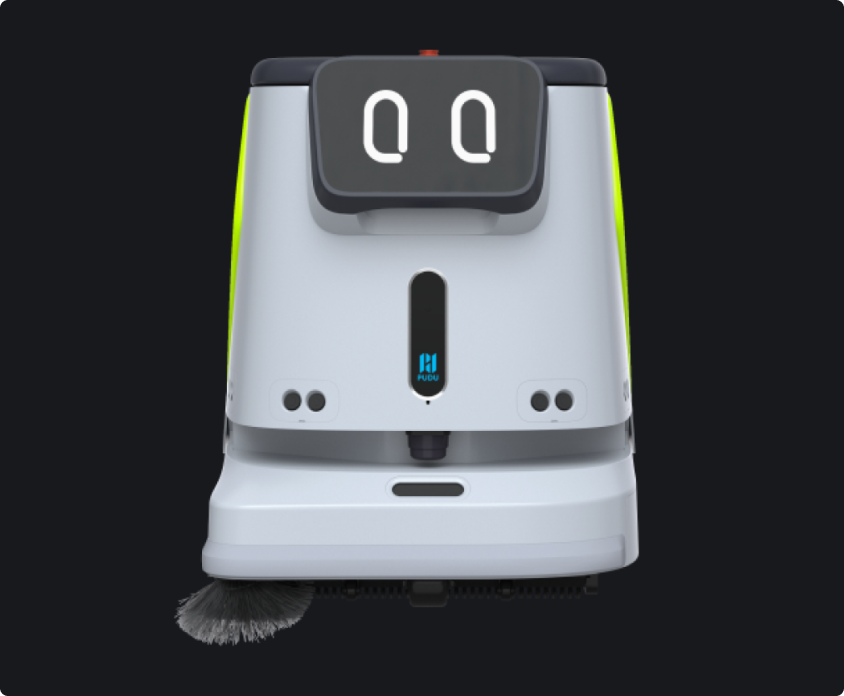
4-in-1 cleaning robot with vacuuming, sweeping, scrubbing, and mopping capability.
1 / 5
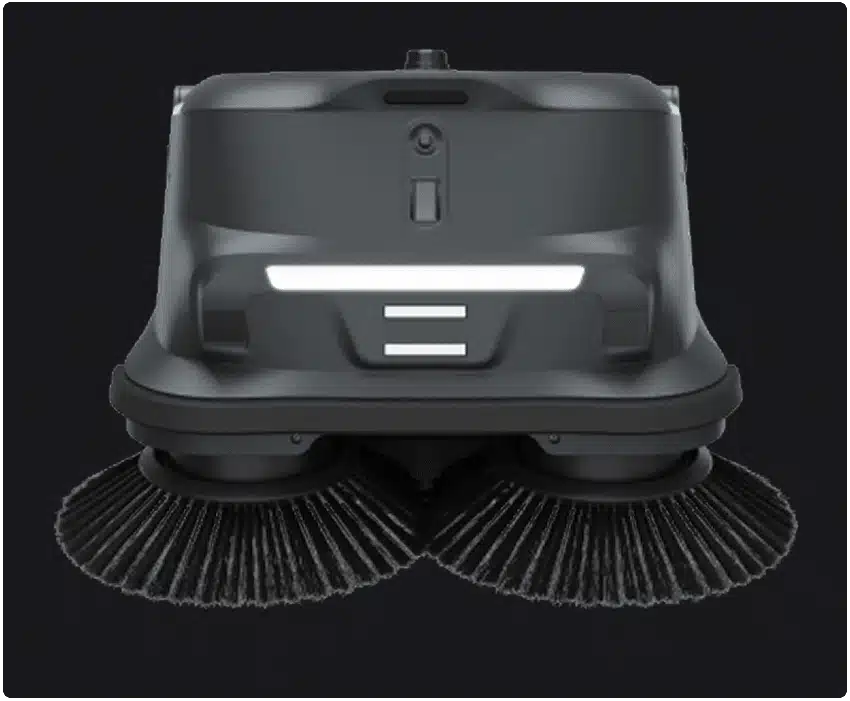
Heavy duty cleaning robot designed for large hard to clean large back of the house spaces.
1 / 5
Heavy duty delivery robot for handling large and heavy payloads up to 600kg.
1 / 5
Customer success concierge service robot to assist with customer needs.
1 / 5
1
8

With over 70% of hotels reporting that events contribute substantially to their revenue streams, the integration of robotics

With over 70% of hotels reporting that events contribute substantially to their revenue streams, the integration of robotics

With over 70% of hotels reporting that events contribute substantially to their revenue streams, the integration of robotics