How Supermarkets Are Using Autonomous Cleaning Robots to Maintain Store-Ready Floors

Autonomous cleaning gives supermarkets a practical way to keep floors shopper-ready throughout the day. By handling routine floor-care routes, robots help maintain consistent coverage while giving store associates more time to help customers, stock shelves, and care for fresh departments.

SHARE THIS POST

Clean floors help supermarkets create a store-ready shopping environment throughout the day. Autonomous cleaning robots can maintain routine floor care for up to 18 hours, giving store associates more time to help shoppers, manage fresh departments, and handle detail work.

The Cleaning Opportunity: More Floor Coverage, More Time for Customers

The operational opportunity is measurable. Our benchmarks show autonomous cleaning robots can provide 2–3x labor leverage versus manual cleaning, operate for up to 18 hours per day, and cover approximately 5,000–8,000 m² per charge. For shoppers, consistency matters too: FMI reports that 73% of U.S. grocery shoppers want to shop in a clean, neat store. Together, these numbers point to two practical outcomes: more consistent floor coverage and more associate time for customers.

Sources: Workwise Robotics data and benchmarks; FMI U.S. Grocery Shopper Trends 2026.

How Do Supermarkets Keep Floors Store-Ready All Day?

A clean, neat store makes the shopping experience easier from the moment a customer walks through the entrance. According to FMI’s 2026 U.S. Grocery Shopper Trends, 73% of grocery shoppers want to shop in a clean, neat store, making floor care more than a back-of-house task. It is part of how shoppers experience the store.

Supermarket floors also have to stay ready while the store is active. Entrances collect dirt from outside, aisles see continuous cart and foot traffic, and produce and deli areas can require frequent attention.

Commercial cleaning robots help maintain that consistency through the day. Instead of concentrating routine floor care into a limited cleaning window, stores can build recurring cleaning into the operating schedule while associates remain available for shoppers, merchandising, and department-specific work.

How Do Autonomous Cleaning Robots Work in a Supermarket?

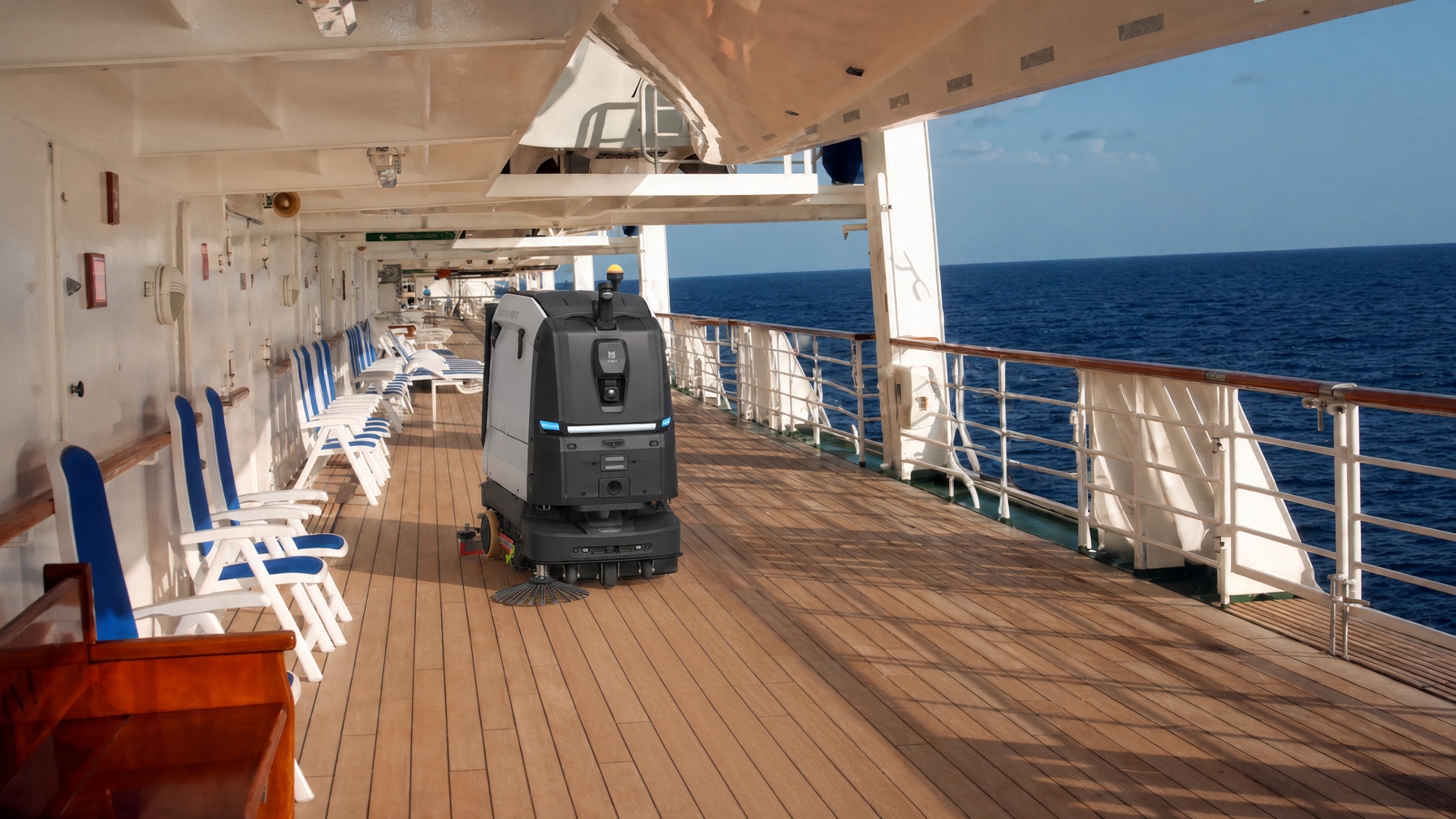
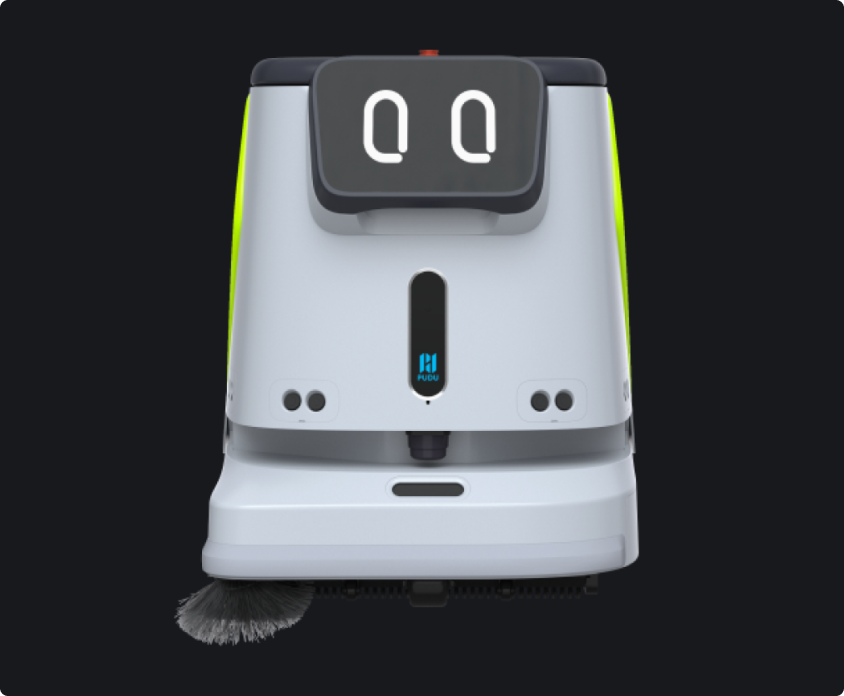
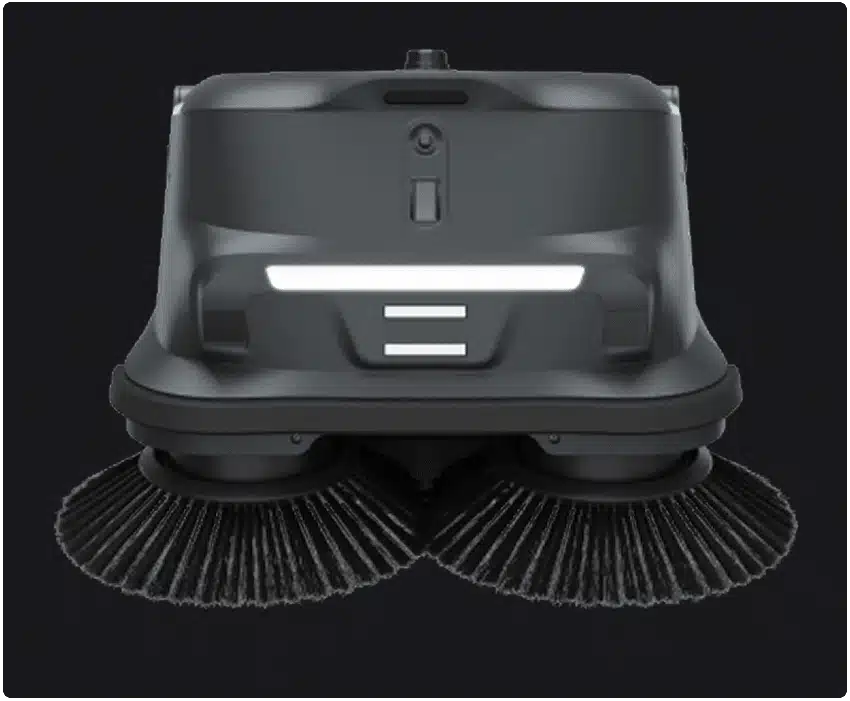
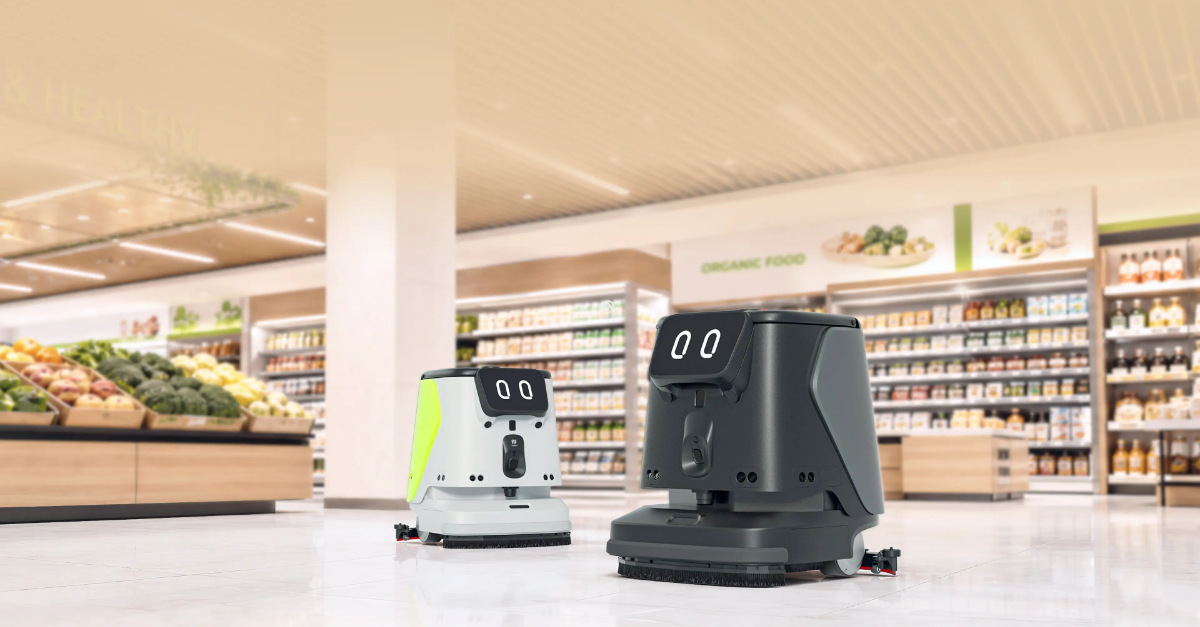
Our autonomous floor cleaning robots sweeps, vacuums, scrubs, and mops across different floor surfaces, and it can run for up to 18 hours, so cleaning can continue through a supermarket’s operating day.

Our benchmark of 5,000–8,000 m² of coverage per charge gives store operators a practical way to plan deployment: which zones can one cleaning workflow cover, how frequently should those areas be serviced, and where should additional coverage be added?

Mapped routes let the robot focus on high-traffic areas. When a spill or unexpected cleaning need requires a different response, employees remain in control of the operation and can intervene, adjust routes, or handle detailed work that calls for human judgment.

For a supermarket evaluating retail store cleaning robots, the value is therefore not simply automated movement. It is predictable floor-care coverage that fits into the wider store operation.

NEWSLETTER

Want to stay up to date with news and updates about our product? Subscribe.

TOP REPORT

Gain special privileges to our premium report! Unlock exclusive insights and information that are not available anywhere else.

Introducing Workwise Robotics, where cutting-edge robotics technology meets unparalleled hospitality service.

Autonomous Cleaning: Store-Ready Floors, More Capacity for Store Teams

  • Autonomous cleaning robots can maintain routine floor care for up to 18 hours a day
  • Consistent cleaning helps supermarkets keep high-traffic areas store-ready throughout operating hours.
  • Associates can spend more time helping shoppers, stocking shelves, and maintaining fresh departments.
  • Mapped routes let robots focus on high-traffic areas while associates handle spills and detail work.
  • A repeatable approach gives multi-store operators a consistent foundation for scaling floor-care automation.

How Much Time Do Cleaning Robots Give Back to Store Teams?

The 2–3x labor leverage versus manual cleaning benchmark points to routine floor care taking less of an associate’s day, so that time can go where shoppers actually see it.

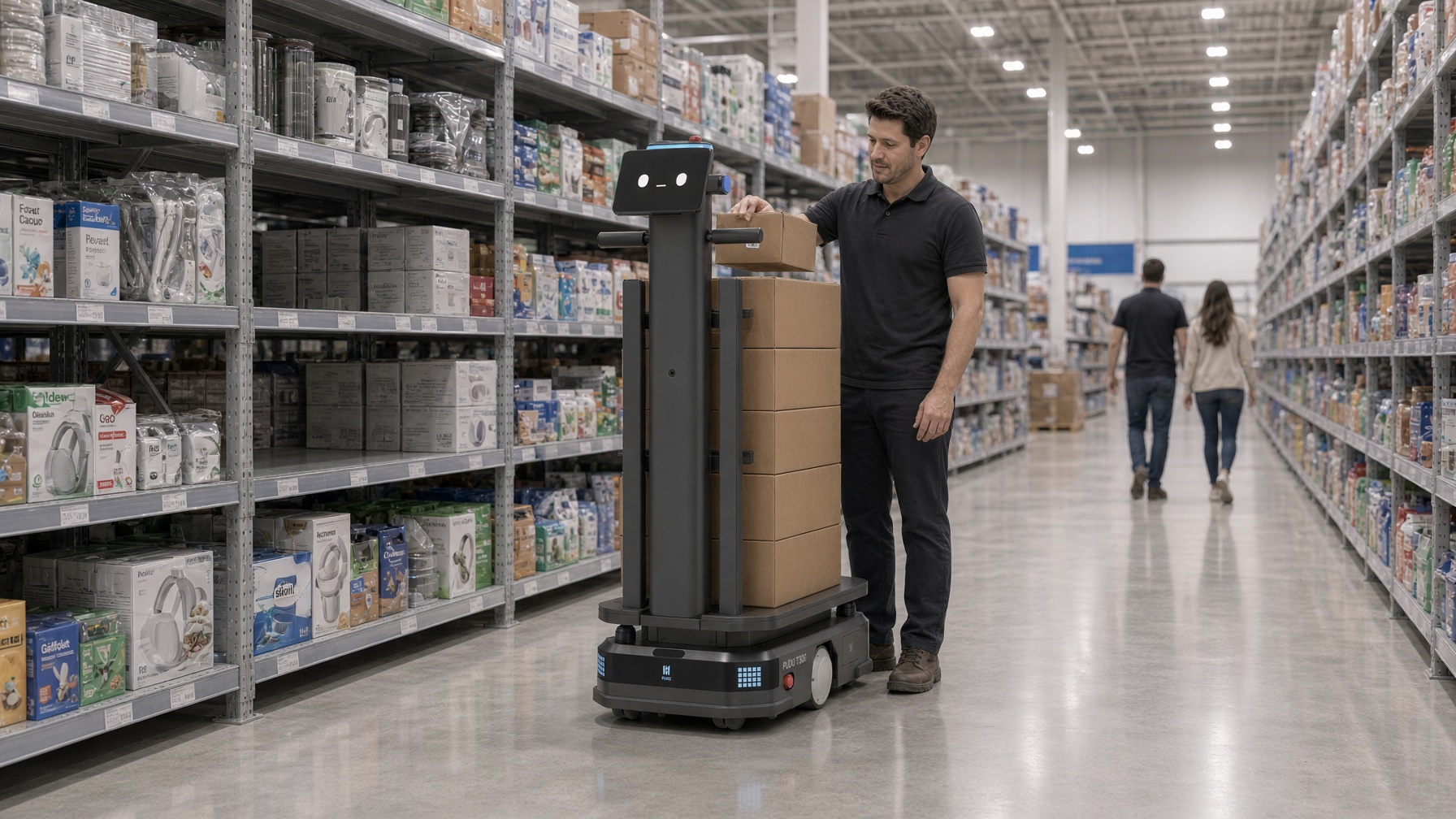
That could mean helping a shopper find an item, restocking a high-demand shelf, checking produce quality, or preparing a fresh-food department for the next rush.

Autonomous cleaning robots handle repeatable floor-care routes throughout the store, while employees oversee performance, manage exceptions, and maintain quality standards. This division of work creates a more consistent cleaning routine while giving store teams more time for detailed cleaning, fresh-department needs, and customer-facing work.

From Pilot to Rollout: Where to Start With Autonomous Cleaning

Start by mapping the store zones where cleaning demand is highest: entrances, main aisles, produce, frozen foods, deli areas, and other high-traffic spaces. Compare current cleaning schedules with the hours when shoppers are in the store, then identify routine floor-care tasks that can be supported by autonomous cleaning. Establish baseline measures for coverage, cleaning frequency, labor hours, and store readiness. Pilot the workflow in one location, have associates oversee and adjust routes, and use the results to determine where a broader rollout makes sense.

How Do Retailers Bring This Across Multiple Stores?

The strongest retail automation programs are designed to be repeatable.

A supermarket group can begin with one store, map its highest-priority cleaning zones, establish routes, and measure coverage and labor utilization. Store teams can then identify what works in their environment before the workflow is adapted for additional locations.

That pilot-to-scale approach also keeps employees involved. Store managers can oversee performance, adjust routes as layouts change, and make sure the technology fits the way each location operates.

Our approach is hybrid robot-human operations: autonomous cleaning supports routine floor care while associates stay focused on customers and store execution.

Grocery Floor Care by the Numbers

Metric
Workwise benchmark/outcome
Cleaning coverage
5,000–8,000 m² per charge
Daily run time
Up to 18 hours
Labor leverage
2–3x vs. manual cleaning
Suction
17,000 Pa
Robot staffing cost
From $0.30/hr

Workwise currently advertises robot staffing from $0.30/hr across its service-robot offering; this should not be interpreted as a cleaning-specific hourly rate.

How Do Robots Keep High-Traffic Zones Consistently Clean?

Some supermarket areas need attention more frequently than others. Entrances experience constant traffic, produce departments see frequent customer movement, and frozen and deli aisles can quickly show the effects of a busy shopping period.

With autonomous cleaning running for extended periods, retailers can build recurring floor care around these traffic patterns instead of relying only on fixed cleaning intervals.

That creates a more consistent standard across the store. Employees can still respond to spills, perform detailed cleaning, and manage areas requiring closer attention, while the robot maintains routine coverage in mapped zones.

The Outcome: More Consistent Floors, More Focused Store Teams

In grocery retail, clean floors are part of the shopping experience in every aisle. Autonomous cleaning can help supermarkets maintain consistent, routine floor care for extended periods. That gives associates more time for customers, merchandising, fresh departments, and detail work.

The result is a more coordinated store operation: robots handle repeatable floor-care routes, while people remain responsible for oversight, exceptions, quality, and the customer experience.

Request a cleaning workflow benchmark to see how autonomous floor care can keep your stores shopper-ready.

Source: Workwise Robotics, Retail: Supports supermarket use cases, autonomous cleaning, 18-hour operation, and the hybrid robot-human retail model.

Source: Workwise Robotics, Cleaning Robot: Supports autonomous sweeping, vacuuming, scrubbing, mopping, navigation, auto-charging, and cleaning-report capabilities.

Source: FMI, U.S. Grocery Shopper Trends 2026: Supports the finding that 73% of grocery shoppers want to shop in a clean, neat store.

Source: Workwise Robotics data and benchmarks: Supports the article’s operational benchmarks for cleaning coverage, run time, and labor leverage.

NEWSLETTER

Want to stay up to date with news and updates about our product? Subscribe.

TOP REPORT

Gain special privileges to our premium report! Unlock exclusive insights and information that are not available anywhere else.

Introducing Workwise Robotics, where cutting-edge robotics technology meets unparalleled hospitality service.

Explore our Robots

Learn how the best hospitality brands are using Workwise Robotics as their robotics staffing partner

New era of guest services

Bussing

Bussing robot designed with larger storage for dishes and large items.

New era of guest services

Waiter

Interactive food runner designed for ordering and carting items

New era of guest services

Food runner

Alleviates the workload on human staff, allowing them to focus on providing exceptional customer service and attending to guests needs.

New era of guest services

Room Delivery

Room delivery robot with large and disinfecting storage.

New era of guest services

All Purpose Cleaning

4-in-1 cleaning robot with vacuuming, sweeping, scrubbing, and mopping capability.

New era of guest services

Heavy Duty Cleaning

Heavy duty cleaning robot designed for large hard to clean large back of the house spaces.

New era of guest services

Cargo Distribution

Heavy duty delivery robot for handling large and heavy payloads up to 600kg.

New era of guest services

Marketing Concierge

Customer success concierge service robot to assist with customer needs.

Other related posts