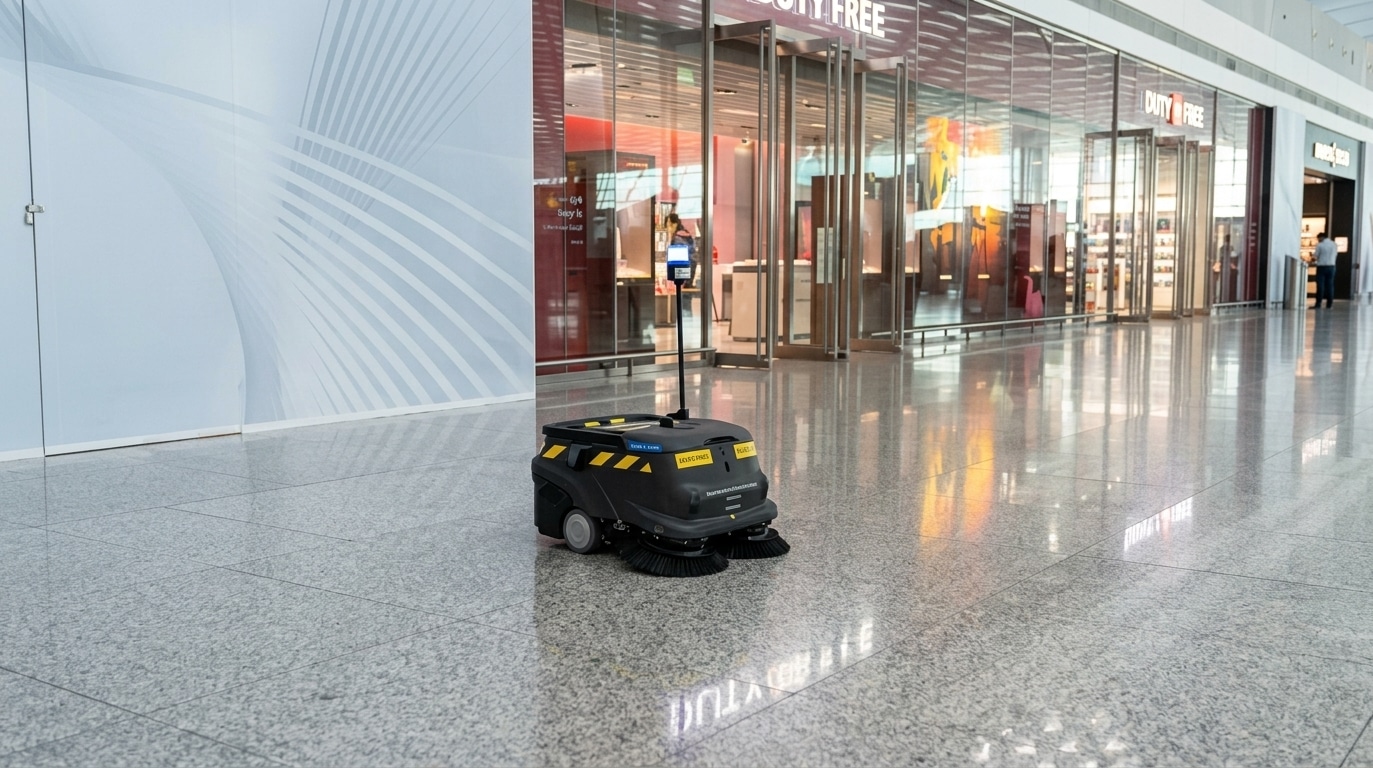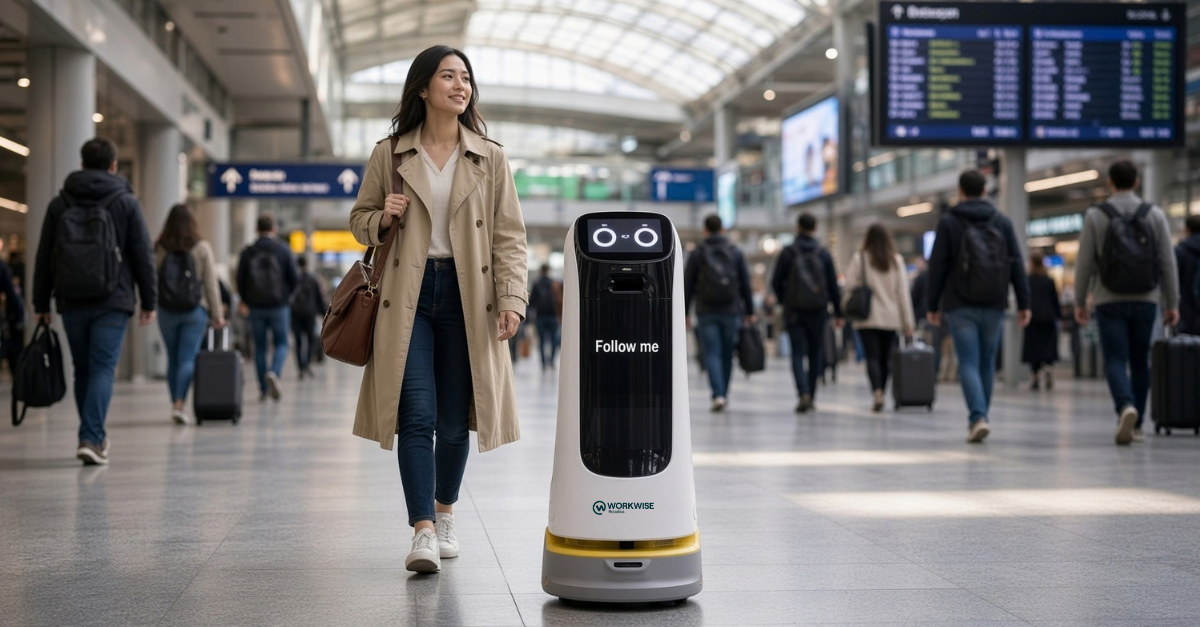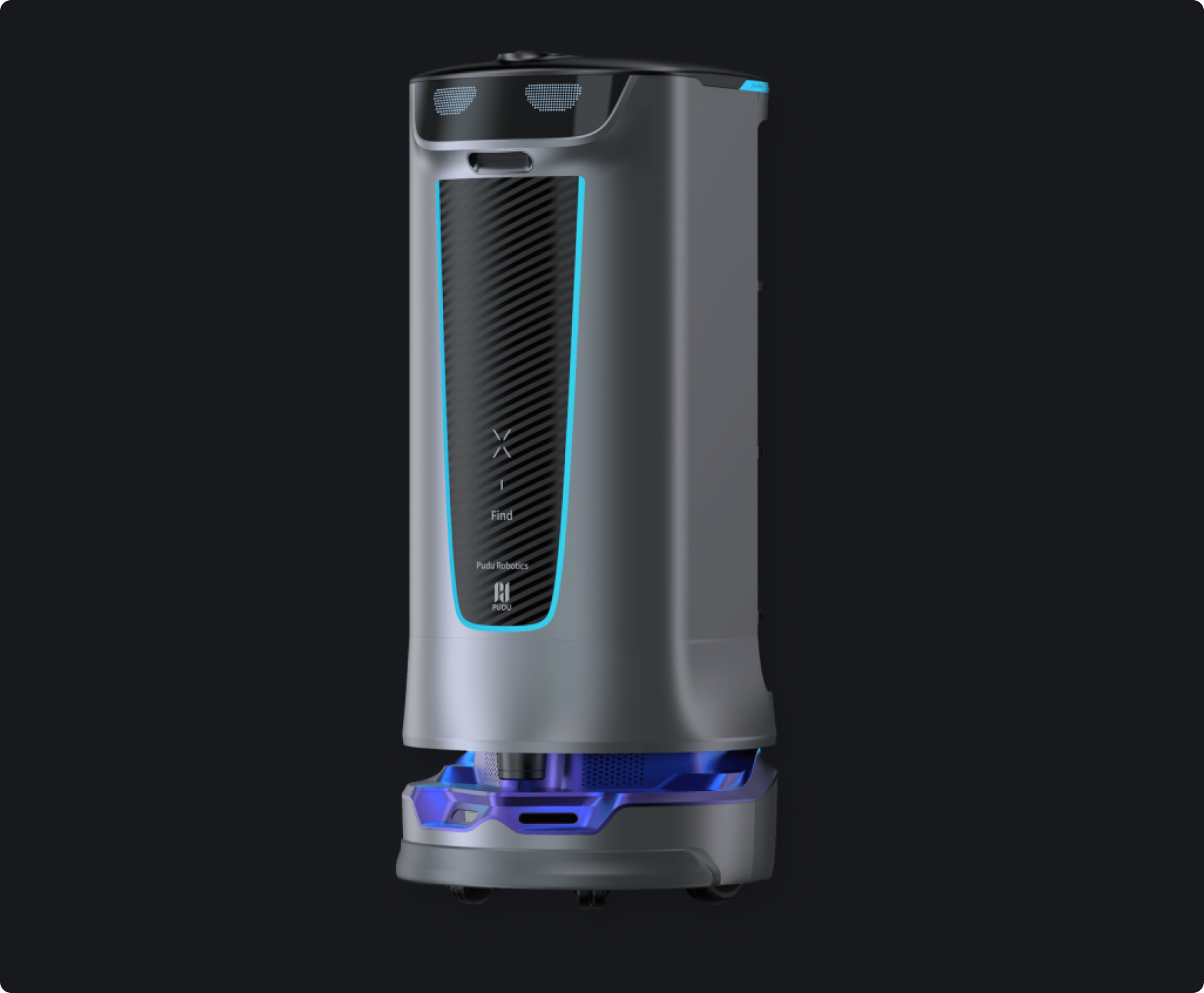
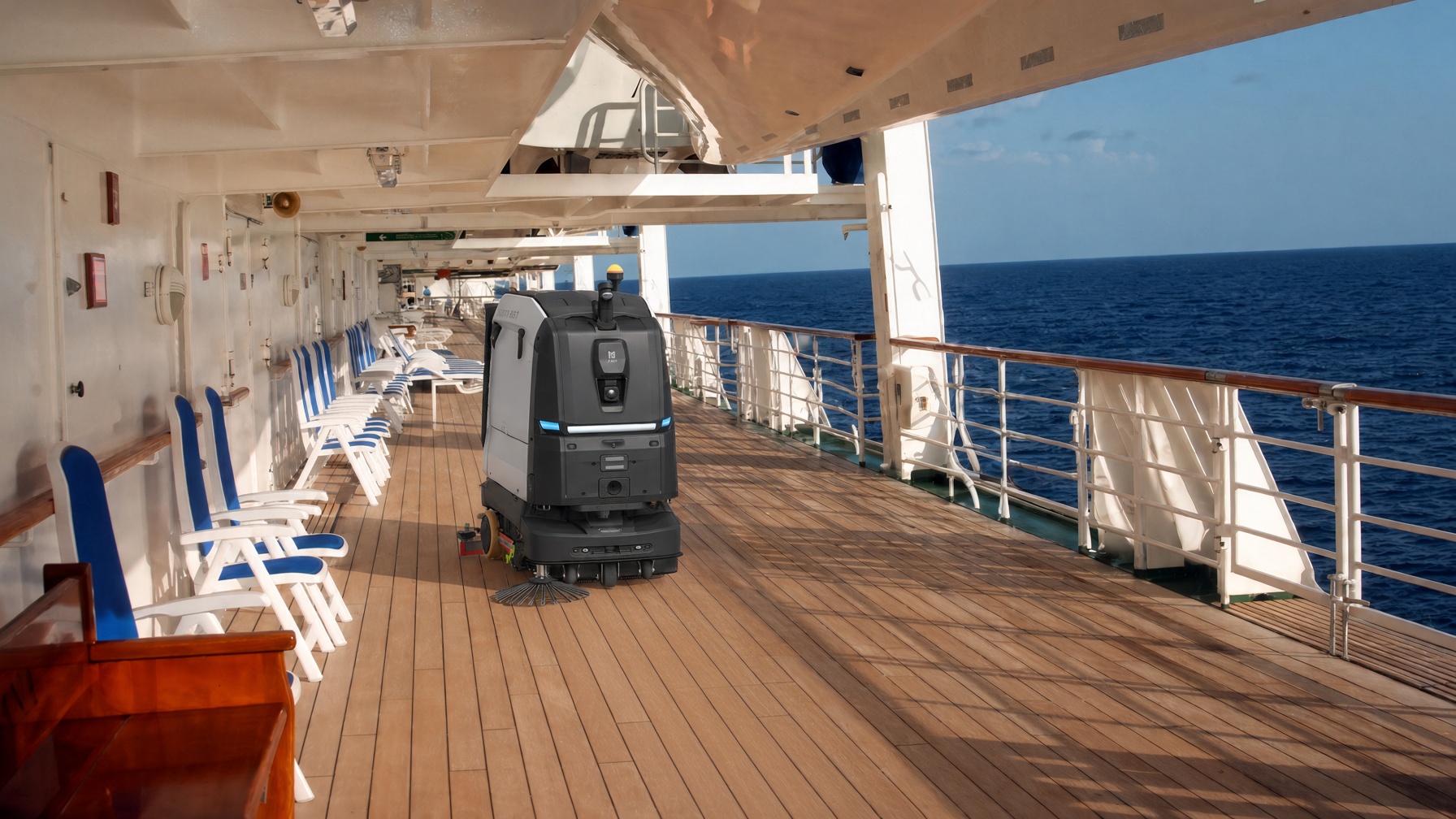
Cruise Ship Cleaning Robots: How Cruise Lines Keep Public Spaces Spotless Around the Clock
With over 70% of hotels reporting that events contribute substantially to their revenue streams, the integration of robotics
Faster restocking and safer material movement give big-box retailers more capacity across large sales floors. Workwise cargo robots move loads of up to 1,300 pounds from receiving areas to the sales floor, supporting consistent inventory movement and reducing manual handling.
Heavy-duty cargo robots can improve key store operations metrics. Workwise reports a 10–20% increase in restocking speed for retail, helping stores move cases to aisles faster and improve sales per labor hour. The company also highlights reduced physical strain and fewer injuries when robots take on heavy-lifting tasks. Together, these capabilities can help retailers improve restocking performance while supporting safer, more consistent material-handling workflows.
Big-box retailers move thousands of cases and pallets through large stores every day. With inventory traveling across 100,000+ square foot footprints, keeping products moving efficiently requires consistent material-handling capacity across receiving, storage, and the sales floor.
Cargo automation helps retailers move heavy merchandise more efficiently while supporting safer, more consistent workflows. Workwise cargo robots can transport loads of up to 1,300 pounds per trip, giving store teams additional capacity for routine material movement and restocking.
The result is a more streamlined restocking operation, with employees able to focus on stocking, customer service, and other store responsibilities while robots handle the movement of heavy loads.
Our cargo robots are built for the heaviest work in big-box retail.
Robot Type | Capacity |
| Standard cargo robot | 300 kg (660 lbs) per trip |
| Heavy-duty cargo robot | 600 kg (1,322 lbs) per trip |
Both models run for 12 hours on a single charge, with a 2-hour fast charge when needed. They’re ISO 3691-4 safety certified and VDA 5050 fleet compatible.
For retailers exploring supermarket restocking automation, the impact is immediate. Associates load the robot, send it to the right aisle, and continue working on other tasks. The robot handles the long haul as associates handle the shelving, merchandising, and customer interactions.
Reducing the amount of heavy material handling can help retailers create safer workflows for store associates. Cargo robots can take on routine transport of heavy merchandise, reducing the need for employees to manually move loads across large store footprints.
For stores with large teams and frequent inventory movement, this can reduce the physical demands associated with restocking and material transport. Associates can spend more time on restocking, customer service, and other responsibilities that require human attention, while robots handle repetitive movement between receiving, storage, and the sales floor.
Safety is also part of maintaining a consistent workforce. Reducing unnecessary physical strain can support a work environment where associates can perform their responsibilities with less manual handling of heavy materials. For retailers, that means building material-handling workflows that support both day-to-day operations and the people who keep the store running.
Start by identifying where heavy material movement creates the greatest demands on your store teams. Workwise Robotics helps retail leaders assess restocking routes, identify high-strain transport tasks, and determine where cargo robots can support existing workflows. Through Workwise Academy, teams learn to manage robotic fleets and incorporate them into daily operations. Request a workflow analysis to explore how supermarket restocking automation can improve backroom-to-floor movement, support safer material handling, and give your team more capacity during each shift.
For retail executives evaluating supermarket restocking automation, the numbers tell a clear story.
Metric | Impact |
| Restocking speed increase | 10–20% |
| Heavy-duty payload | 1,300 lbs per trip |
| Standard payload | 660 lbs per trip |
| Battery life | 12 hours |
| Fast charge time | 2 hours |
| Safety certification | ISO 3691-4 |
| Fleet compatibility | VDA 5050 |
The business case rests on operational efficiency, safety improvements, and better use of existing staff. Cargo robots help stores move more merchandise faster, reduce injury risk, and keep shelves stocked; all of which support stronger customer satisfaction and long-term profitability.
Restocking speed improves when robots handle routine material transport. Our cargo robots run scheduled routes throughout each shift, keeping merchandise moving from receiving and storage areas to the sales floor so associates have inventory ready to shelve.
During peak periods, stores can adjust robot operating hours to support higher inventory volume and keep restocking workflows moving. This gives existing teams additional capacity when demand increases, helping them manage heavier workloads while maintaining consistent inventory flow.
This is where supermarket restocking automation can add value. By supporting routine material movement, cargo robots help teams keep pace with changing workloads, maintain restocking consistency, and focus their time on the tasks that require their attention.
Managing multiple cargo robots across a large store requires coordinated routing, scheduling, and visibility. VDA 5050 compatibility allows multiple robots to operate within the same environment, while fleet management systems coordinate routes, monitor robot positions, and prioritize higher-priority transport tasks to support an efficient flow of materials.
For multi-store operators, centralized monitoring can provide visibility across locations. Logistics managers can track robot activity, charging status, transport volume, and cycle times, giving teams the information they need to identify bottlenecks and adjust workflows over time.
Fleet management also provides a framework for scaling automation as operational needs change. Retailers can begin with a single robot in a receiving or storage area and expand the fleet as material-handling demands increase. The same management approach can support additional robots, workflows, and locations as the operation grows.
In big-box retail, the heaviest items should not be your associates’ heaviest burden.
Workwise Robotics supports retailers with implementation, training, and ongoing support. Through Workwise Academy, existing teams learn to manage cargo robots and integrate them into daily workflows. Our Robots-as-a-Service model aligns with operating budgets.
Explore how cargo robots can accelerate your backroom-to-floor replenishment and reduce injury risk. Request a restocking workflow analysis to see where automation fits your stores.
The performance figures and operational capabilities referenced in this article are based on Workwise Robotics data and specifications for the featured robotic systems.
Source: Workwise Robotics Retail: Restocking speed, inventory movement, payload capacity, employee productivity, physical strain, worker safety, and retail automation.
Source: Workwise Robotics Warehouses: Autonomous cargo transport, transfer-time reductions, and workplace-injury reduction data.
Source: Industry Standards: Cargo robots are certified to ISO 3691-4 and are VDA 5050 compatible for coordinated fleet operations.
Learn how the best hospitality brands are using Workwise Robotics as their robotics staffing partner
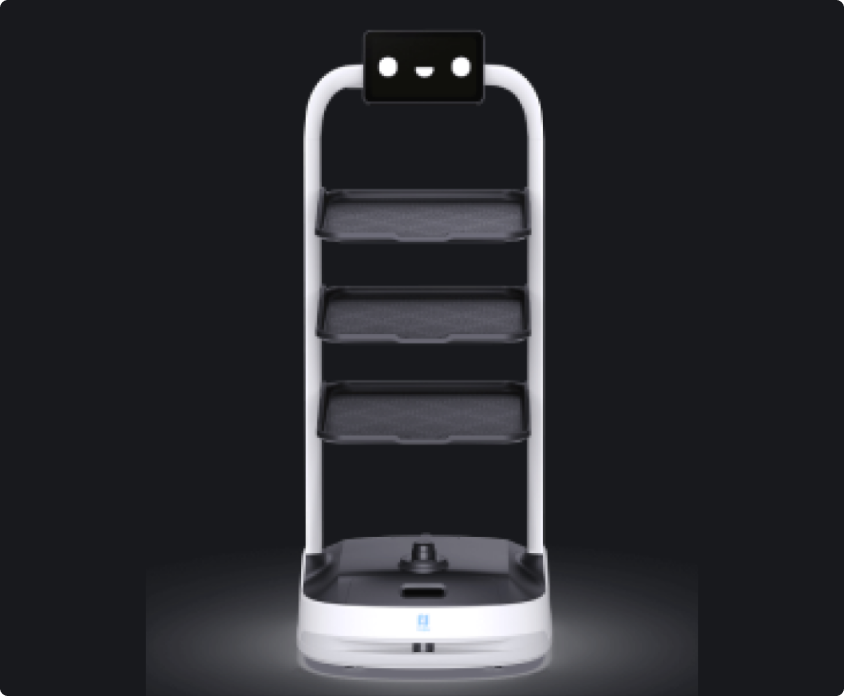
Bussing robot designed with larger storage for dishes and large items.
1 / 5
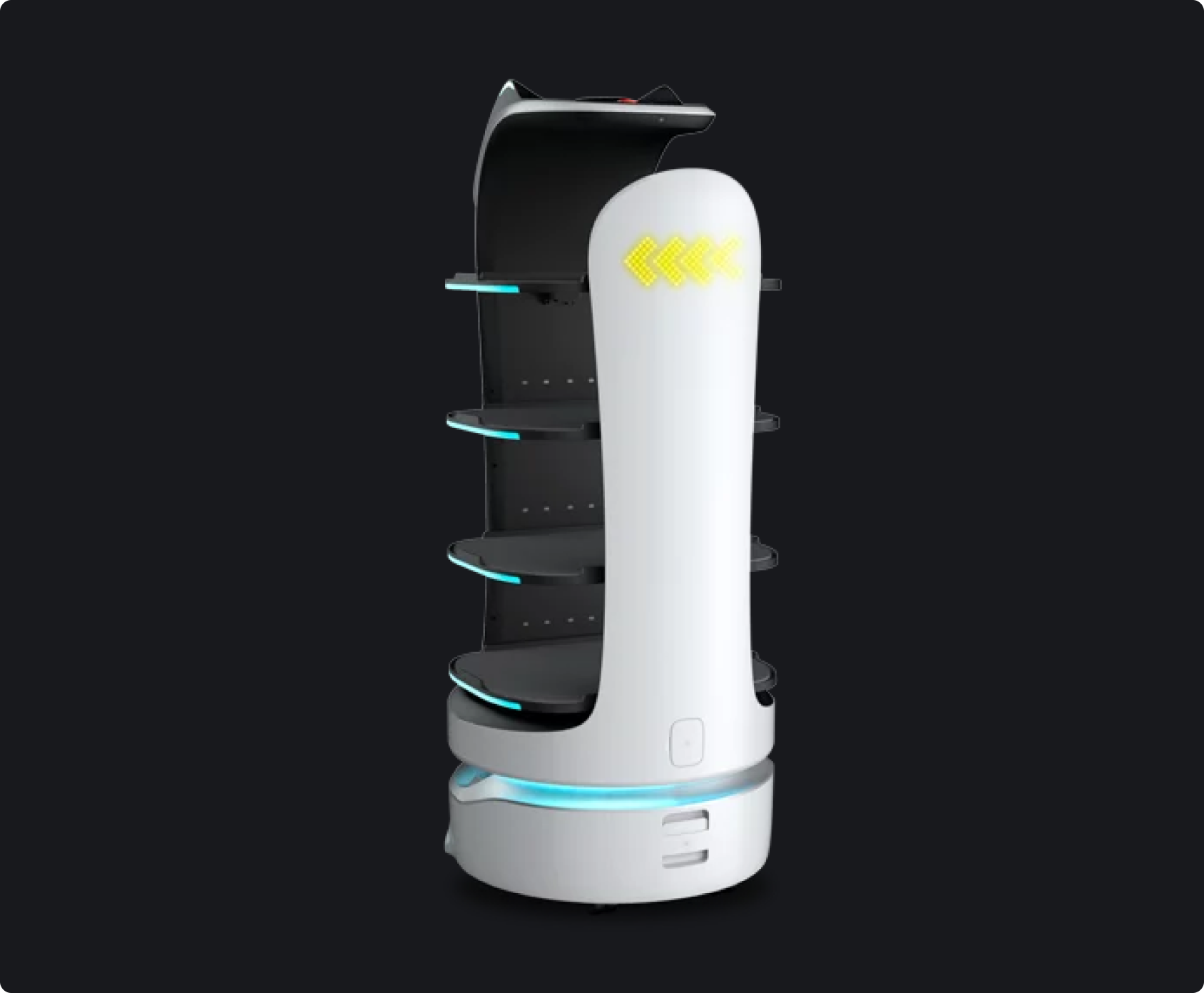
Interactive food runner designed for ordering and carting items
1 / 5
Alleviates the workload on human staff, allowing them to focus on providing exceptional customer service and attending to guests needs.
1 / 5
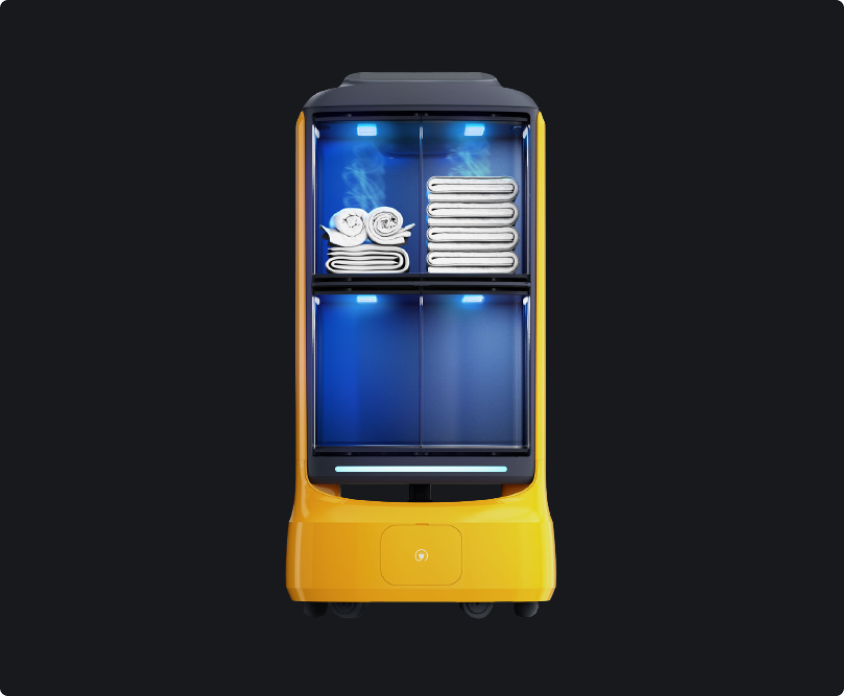
Room delivery robot with large and disinfecting storage.
1 / 5
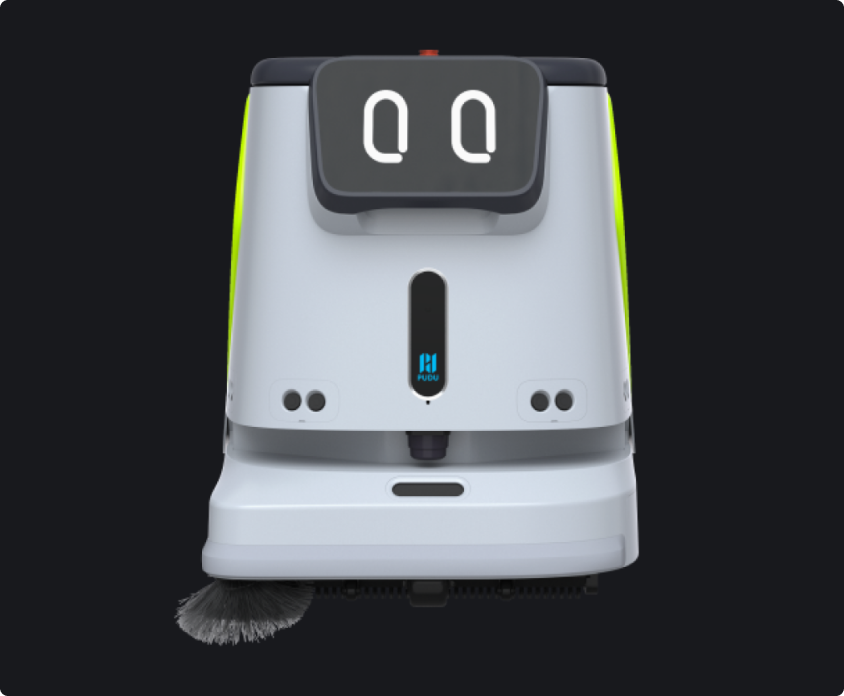
4-in-1 cleaning robot with vacuuming, sweeping, scrubbing, and mopping capability.
1 / 5
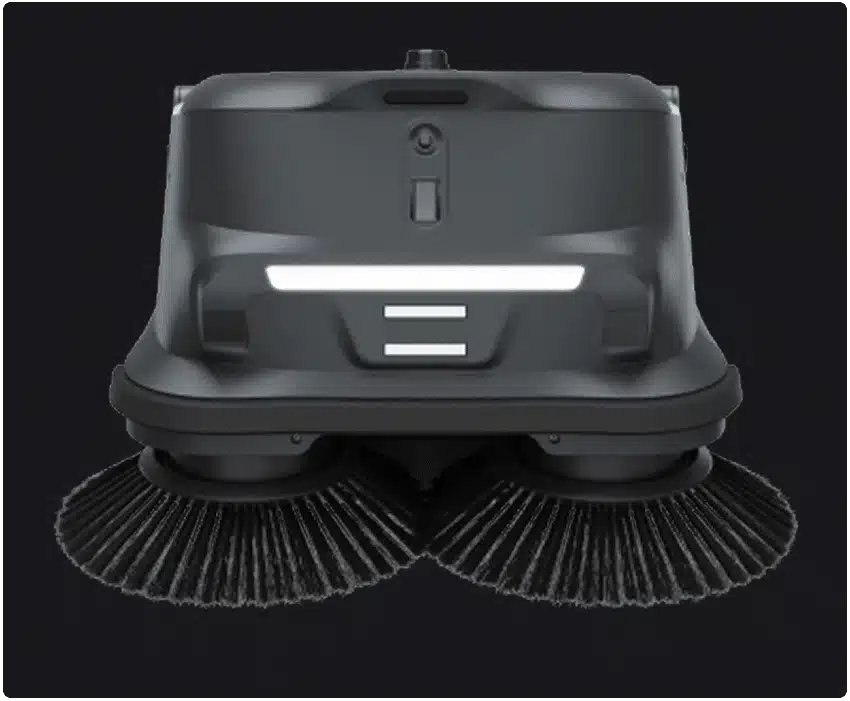
Heavy duty cleaning robot designed for large hard to clean large back of the house spaces.
1 / 5
Heavy duty delivery robot for handling large and heavy payloads up to 600kg.
1 / 5
Customer success concierge service robot to assist with customer needs.
1 / 5
1
8

With over 70% of hotels reporting that events contribute substantially to their revenue streams, the integration of robotics


With over 70% of hotels reporting that events contribute substantially to their revenue streams, the integration of robotics

With over 70% of hotels reporting that events contribute substantially to their revenue streams, the integration of robotics