
Cruise Ship Cleaning Robots: How Cruise Lines Keep Public Spaces Spotless Around the Clock
With over 70% of hotels reporting that events contribute substantially to their revenue streams, the integration of robotics
Passengers benefit from faster answers, clearer directions, and more consistent support as they move through airports and rail stations. Better wayfinding can reduce confusion, improve satisfaction, and give staff more capacity to focus on interactions that require human attention.
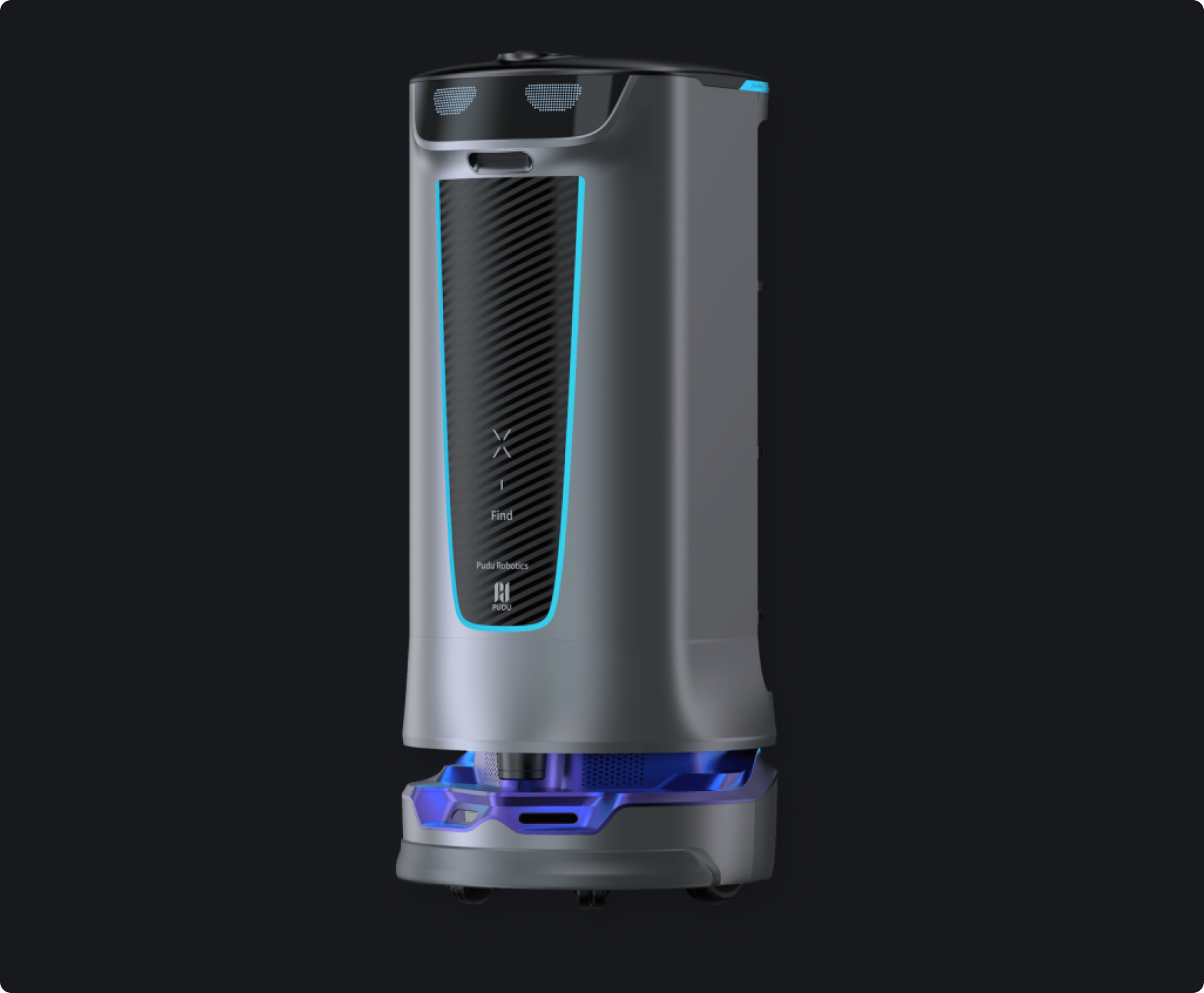
Workwise wayfinding robots provide autonomous, multilingual guidance across gates, connections, and terminal services. By handling routine directional questions, they help passengers find where they need to go while reducing pressure on information desks. The result is a smoother passenger journey, stronger service performance, and greater operational capacity.
Better wayfinding can make a measurable difference across the passenger journey. When passengers receive immediate, accurate directions, overall passenger satisfaction scores rise by 0.5–1.0 points. Concession sales lift by 20–30% when travelers are guided toward retail and dining options along their route. Together, these results show how timely information can improve the passenger experience while helping airports get more value from existing terminal traffic.
Together, these gains show how coordinated automation can improve passenger experience, strengthen service performance, and create more value from existing terminal traffic.
A major international airport can span more than 100 gates across multiple terminals connected by trains, tunnels, and walkways. Rail stations can be just as complicated, with multiple lines and transfers across different levels. For passengers arriving in an unfamiliar city, especially those navigating in a second language, finding the right gate, the nearest restroom, or a connecting platform can be genuinely stressful.
Staff cannot be everywhere. Information desks handle a high volume of routine questions, such as “Where is Gate B22?” “Where is the nearest coffee shop?” and “How do I get to Terminal 3?”
At the same time, staff need to remain available for situations that require human attention, such as accessibility needs, rebooking, or disruption-related assistance. When routine questions consume too much staff capacity, those interactions can become harder to handle promptly.
This is the problem our wayfinding robot solves.
Our wayfinding robot navigates terminals autonomously, moving through busy walkways and placing itself where passengers need help most. It provides:
For rail stations, train station passenger assistance robots provide the same support, helping travelers find platforms, transfer points, and station services without needing to locate a staff member or interpret static signage
The most immediate outcome is reduced passenger stress. Five minutes in a security line feels shorter when a passenger knows exactly where they are going.
Satisfaction scores follow. Passengers who receive guidance from airport concierge robots report 0.5–1.0 higher satisfaction scores compared to those who navigate without assistance.
Research from Priority Pass found that 73% of travelers rated technologies such as fast-track security and digital boarding passes among the improvements making the biggest difference to their airport experience. At the same time, travelers still value human assistance when they need it. Wayfinding robots can support both needs by answering routine questions while allowing staff to focus on interactions that require human attention.
When robots handle routine directional questions, information desk staff can focus on complex passenger needs:
This shift moves teams from reactive triage into proactive service. Passenger service teams need capacity to focus on situations that require human attention. By handling routine directional questions, wayfinding robots reduce repetitive demands on staff, allowing teams to focus on passenger interactions where their experience and judgment matter most.
The first step is understanding where passengers experience the most confusion in your terminal. Workwise Robotics helps airport and station leaders map the passenger journey, identify high-friction points, and deploy wayfinding robots where they deliver the greatest operational value. Through Workwise Academy, existing staff learn to manage robotic systems and integrate them into daily service.
Request a passenger journey mapping session to identify where airport wayfinding robots can improve satisfaction and reduce pressure on your information desks.
|
Metric |
Impact |
|
Display |
18.5-inch interactive screen |
|
Voice |
AI-powered multilingual interaction |
|
Passenger satisfaction |
+0.5 to 1.0 points |
|
Concession sales |
+20–30% |
Passenger movement also affects retail and dining activity. When travelers are focused on finding their gate, they may have less time or confidence to explore nearby options.
Wayfinding robots can provide directions while highlighting relevant retail and dining locations along the route. This helps passengers understand what is available around them without taking them away from their primary destination.
Concession sales increase by 20–30% when passengers are guided to retail opportunities rather than rushing directly to their gates. This creates measurable revenue impact from traffic already moving through the terminal, without additional marketing spend.
Wayfinding affects both passenger experience and day-to-day terminal operations. When passengers can find gates, connections, and services more easily, information desks face less demand for routine directions and staff have more capacity to support passengers who need direct assistance.
For operations leaders, better wayfinding can help manage passenger volumes more efficiently while maintaining consistent service across the terminal.
Source: The performance figures referenced in this article are based on Workwise Robotics data and specifications for the featured robotic systems, along with industry research on passenger preferences and airport technology.
The best passenger experience starts with never being lost. When travelers feel confident about where they are going, every other part of the journey improves, from dining to retail to boarding.
Workwise Robotics supports airports and stations with implementation, training, and ongoing support. Through Workwise Academy, existing teams learn to manage wayfinding robots and integrate them into daily operations. Our Robots-as-a-Service model aligns with operating budgets.
For a related look at how robots support terminal readiness, read our guide on How Airports and Transit Stations Are Using Cleaning Robots to Maintain 24/7 Passenger-Ready Environments.
Discover how wayfinding robots can improve your passenger experience scores. Request a passenger journey mapping session to see where robots fit into your terminal.
Source: Workwise Robotics Transportation: Passenger satisfaction, concession sales, wayfinding engagement, staffing allocation, and transportation-hub automation.
Source: Priority Pass – Airport Technology Research: Traveler attitudes toward airport technology, including the impact of fast-track security and digital boarding passes on the passenger experience, as well as preferences for human assistance.
Learn how the best hospitality brands are using Workwise Robotics as their robotics staffing partner
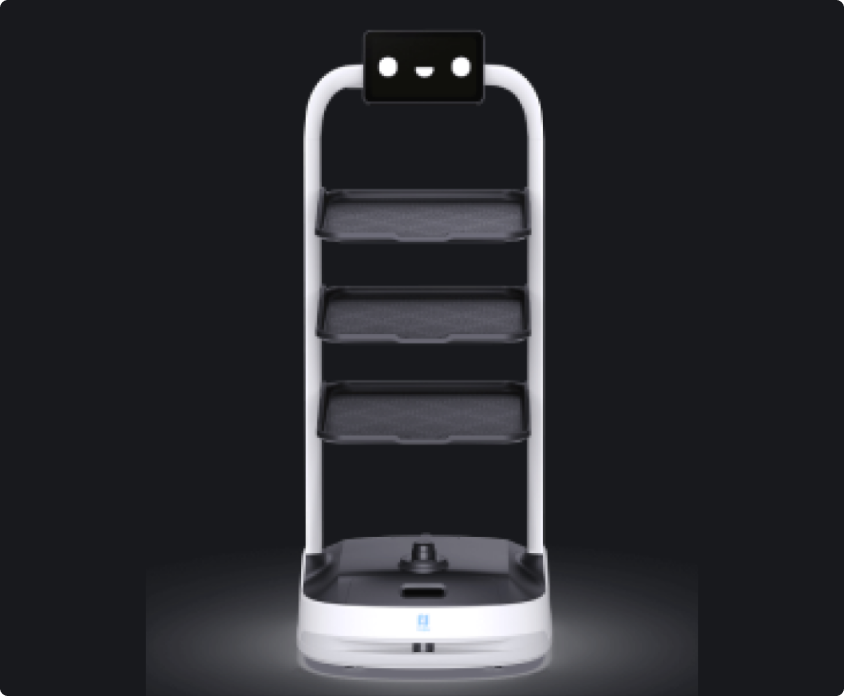
Bussing robot designed with larger storage for dishes and large items.
1 / 5
Interactive food runner designed for ordering and carting items
1 / 5
Alleviates the workload on human staff, allowing them to focus on providing exceptional customer service and attending to guests needs.
1 / 5
Room delivery robot with large and disinfecting storage.
1 / 5
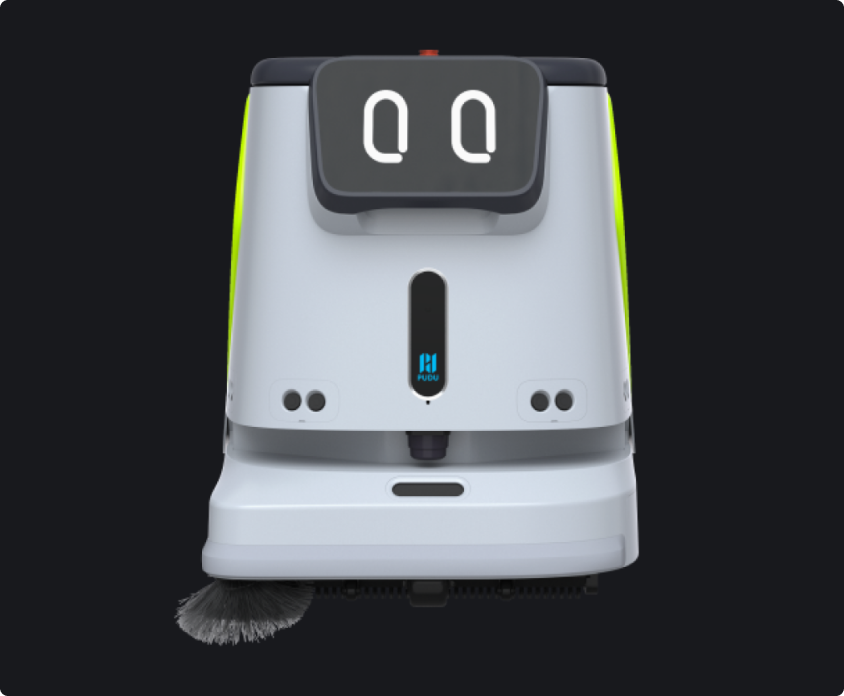
4-in-1 cleaning robot with vacuuming, sweeping, scrubbing, and mopping capability.
1 / 5
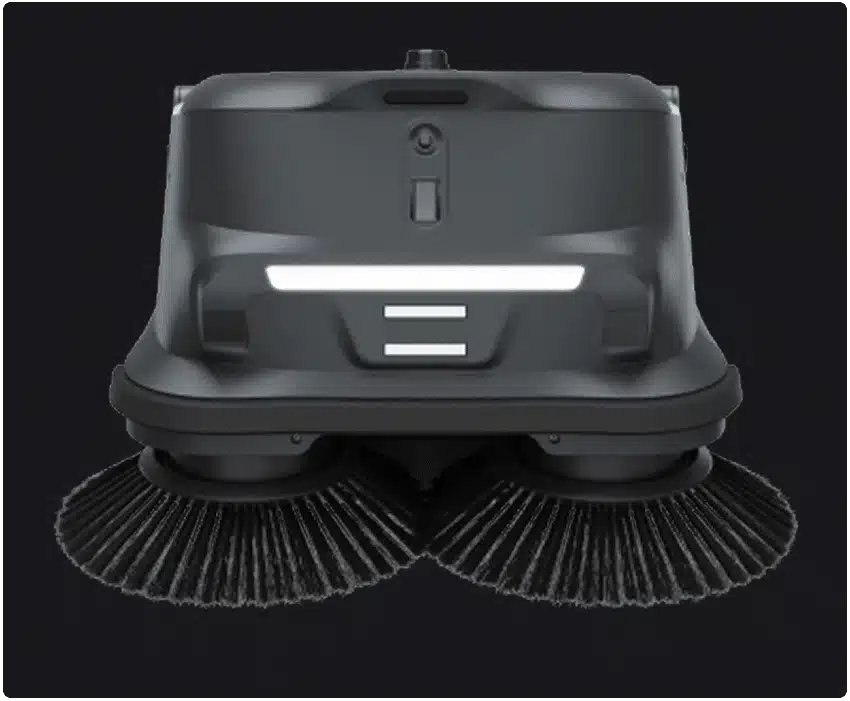
Heavy duty cleaning robot designed for large hard to clean large back of the house spaces.
1 / 5
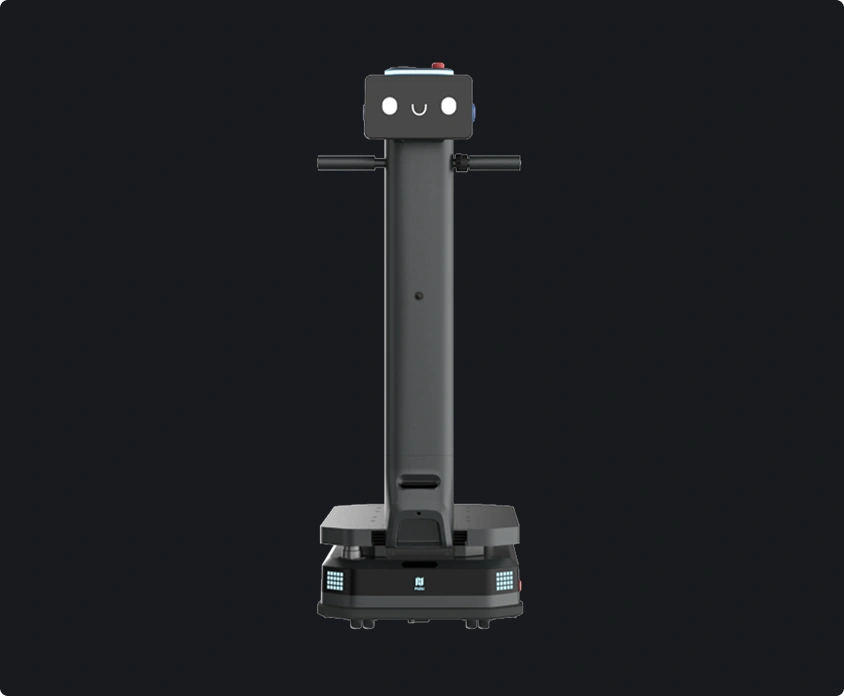
Heavy duty delivery robot for handling large and heavy payloads up to 600kg.
1 / 5
Customer success concierge service robot to assist with customer needs.
1 / 5
1
8

With over 70% of hotels reporting that events contribute substantially to their revenue streams, the integration of robotics


With over 70% of hotels reporting that events contribute substantially to their revenue streams, the integration of robotics

With over 70% of hotels reporting that events contribute substantially to their revenue streams, the integration of robotics