Cleaning Robots at PortMiami: Cleaner Terminals, More Staff Capacity

Cleaning robots help busy terminals like PortMiami maintain clean, passenger-ready spaces. Robots handle routine floor care while employees oversee quality, clean high-touch areas, and respond to passenger needs. Start with one cleaning workflow and measure coverage, reliability, and staff time over 30 days before expanding.

SHARE THIS POST

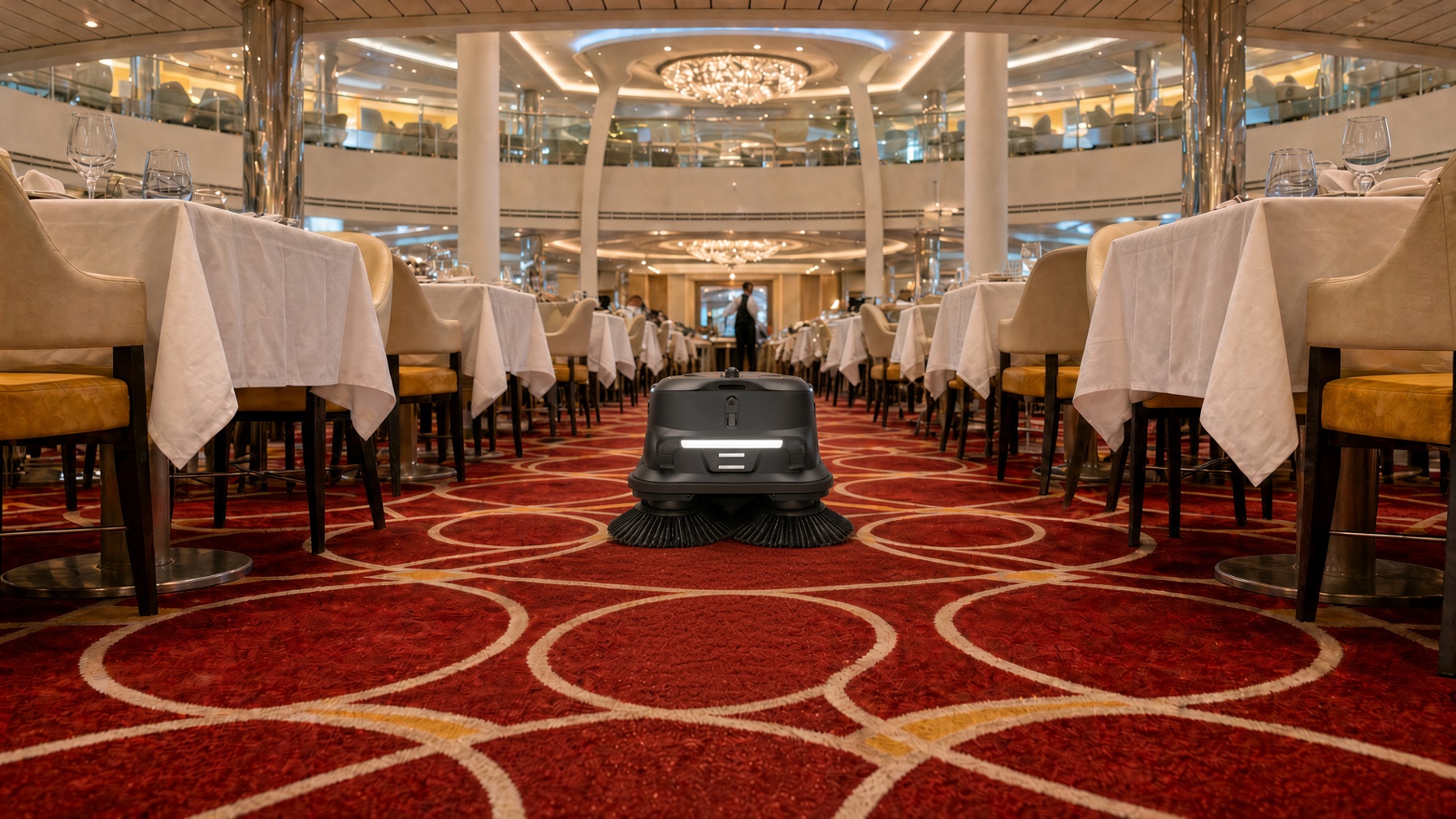
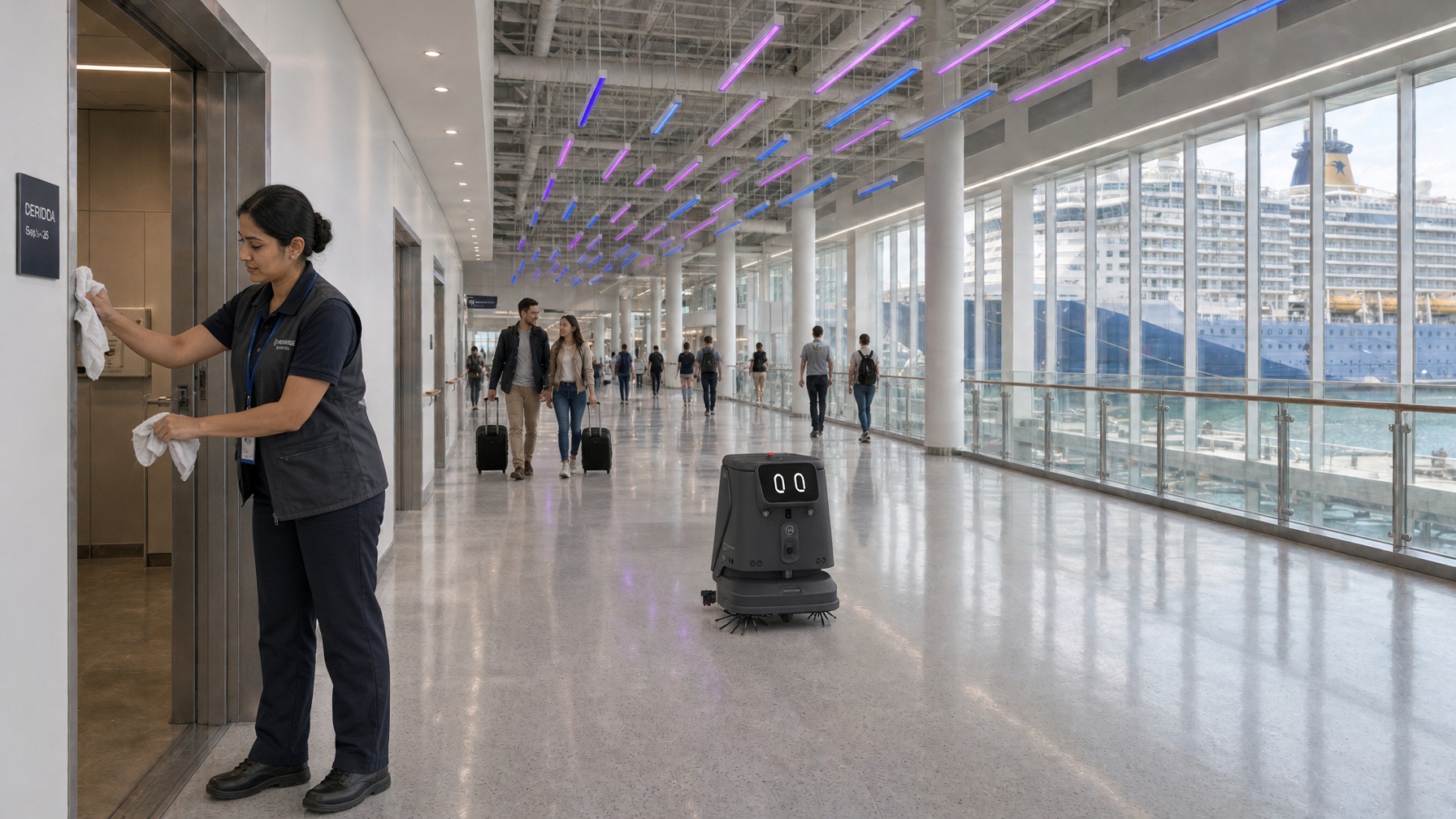
At PortMiami, WorkWise Robotics is helping Miami-Dade County bring autonomous cleaning into busy terminal operations. Robots handle routine floor care while employees oversee performance, maintain cleaning standards, and respond to changing needs. This autonomous workforce strategy gives existing teams more capacity to focus on specialized tasks and passenger-facing responsibilities while employees retain oversight of daily operations.

The Current Landscape: Keeping PortMiami Passenger-Ready

Workwise Robotics ‘ press release puts our Robots-as-a-Service (RaaS) pricing at roughly $0.30 per robot operating hour.[1] The deployment took place during peak cruise season, when passenger volumes are highest and maintaining terminal operations is especially important.

PortMiami contributes $43 billion in annual economic impact and supports more than 334,000 jobs.[1] These figures provide regional economic and infrastructure context; they are not results produced by the PortMiami robot deployment.

PortMiami: Putting Smart City Investment to Work

At eMerge Americas 2026, Miami-Dade County named Workwise Robotics its workforce partner for an autonomous deployment at PortMiami.[1] This robotic workforce strategy demonstrates how public infrastructure operators can maintain cleaner, passenger-ready spaces while expanding the capacity of existing teams.

The robots provide routine floor coverage across busy terminal areas, allowing employees to focus on detailed cleaning and other tasks that require a human touch. Gustavo Grande, Head of Innovation at PortMiami, described the value this way:

“The innovation from WorkWise Robotics is supporting our maintenance and cleaning staff by enabling them to focus on more technical and specialized cleaning tasks.”[1]

Grande added that during passenger days and peak times, robots manage the heavy cleaning load while staff focus on bathrooms and other high-touch areas to maintain an overall high-hygiene environment.[1]

The approach pairs routine automation with employee oversight. Robots handle assigned floor-cleaning work, while staff retain responsibility for priorities, detailed cleaning, and quality checks.

NEWSLETTER

Want to stay up to date with news and updates about our product? Subscribe.

TOP REPORT

Gain special privileges to our premium report! Unlock exclusive insights and information that are not available anywhere else.

Introducing Workwise Robotics, where cutting-edge robotics technology meets unparalleled hospitality service.

The Current Landscape: Cleaner Terminals, Stronger Teams, More Accessible Automation

  • Teams gain capacity. Robots handle routine floor coverage while employees oversee cleaning quality and focus on specialized tasks.
  • The workforce evolves. Through WorkWise Academy, existing facilities staff train to operate robots, monitor performance, and coordinate hybrid teams.
  • RaaS makes adoption more accessible. Robots-as-a-Service helps organizations deploy robotic solutions without the upfront cost of purchasing equipment.

How Supervisors Coordinate Cleaning Robots During Passenger Peaks

The following is an illustrative operating scenario, not a description of PortMiami’s confirmed route configuration.

Imagine a terminal supervisor preparing for a busy passenger arrival window. The supervisor reviews passenger flow, scheduled activities, and cleaning priorities before assigning tasks.

During quieter periods, robots handle routine floor cleaning in suitable areas. As passenger traffic builds, the supervisor can adjust routes and schedules to avoid congestion and keep cleaning work moving safely. Employees remain available to respond to spills, assist passengers, clean restrooms, and address high-touch areas.

The supervisor stays in control, monitoring performance and redirecting work as conditions change. Robots help the team cover routine tasks while employees make the decisions that keep the terminal clean and running smoothly.

What Public Infrastructure Leaders Should Do Next

Robotic workforce transformation starts with identifying where autonomous cleaning can give existing teams more capacity and improve daily operations. We help public infrastructure leaders deploy a targeted robotic solution, measure performance for 30 days, and use operational data to guide expansion.

Measuring the Value of a 30-Day Cleaning Robot Pilot

Our press release describes a targeted deployment measured over 30 days as a way to evaluate a workflow before expanding it.[1] For a public infrastructure operator, an illustrative pilot could track:

  • Schedule performance: Whether tasks are completed within planned cleaning windows.
  • Cleaning coverage: Square footage completed and the proportion of assigned routes finished.
  • Staff capacity: Time employees can redirect to restrooms, high-touch areas, and detailed cleaning.
  • Operational reliability: Robot operating time, interruptions, charging needs, and time out of service.
  • Quality and safety: Inspection results, missed areas, incidents, and staff interventions.
  • Passenger-facing impact: Cleanliness complaints and feedback, considered alongside passenger volumes.

Before the pilot begins, supervisors should establish a baseline and agree on how each measure will be recorded. Comparing similar shifts and passenger periods can help distinguish the effects of automation from changes in traffic or staffing.

A pilot also gives facilities teams time to understand how robots fit into daily operations. Supervisors can identify suitable cleaning zones, set operating schedules, establish charging routines, and agree on when employees should intervene.

Clear operating procedures help employees coordinate robot activity as terminal conditions change. Spills, temporary obstructions, crowded walkways, and changes to terminal schedules can affect cleaning routines. Employees should know how to pause or redirect a robot and report issues that require attention. This coordination helps maintain cleaning standards while allowing staff to respond to changing conditions.

Building a More Capable Facilities Workforce

A successful robotic workforce strategy starts with the people already maintaining the facility. Through WorkWise Academy, existing facilities staff learn to operate robots, interpret performance data, monitor cleaning quality, and coordinate a hybrid workforce.[1]

“Our mission is empowering the next generation of work, where facilities workers become robot fleet coordinators,” our CEO Cam Parra said. He explained that employees train through WorkWise Academy before a robot goes live, learning to operate the machines, read performance data, and coordinate the hybrid workforce. The goal is for employees to manage and direct the robots, rather than simply watch them.[1]

In a separate Reuters-published interview, Parra described robotics as a workforce strategy rather than simply a technology purchase. He emphasized planning the operational approach first, integrating robots into existing workflows, and measuring outcomes. This reinforces the importance of preparing employees to oversee automation and make operational decisions.[2]

What Comes Next

We are in discussions with public infrastructure operators across Florida and evaluating expansion into other major U.S. markets.[1] For leaders considering similar initiatives, the next step is to identify where autonomous cleaning can expand team capacity and improve daily operations.

Parra said we bring together a robotics ecosystem and customer success model designed to help robots and people work collaboratively. He added that this approach suits public institutions such as Miami-Dade, where workforce development and operational excellence need to advance together.[1]

See how WorkWise cleaning robots and transportation solutions support busy terminals, and read how airports and transit stations maintain passenger-ready environments.

Request a pilot assessment to discuss where autonomous cleaning may fit your operation.

Source: WorkWise Robotics, PortMiami deployment press release: partnership announcement, deployment context, RaaS pricing, workforce training, and direct quotes.

Source: Reuters, interview with our CEO Cam Parra: Parra’s perspective on robotics as a workforce strategy, operational planning, integrating robots into existing workflows, and measuring outcomes.

NEWSLETTER

Want to stay up to date with news and updates about our product? Subscribe.

TOP REPORT

Gain special privileges to our premium report! Unlock exclusive insights and information that are not available anywhere else.

Introducing Workwise Robotics, where cutting-edge robotics technology meets unparalleled hospitality service.

Explore our Robots

Learn how the best hospitality brands are using Workwise Robotics as their robotics staffing partner

New era of guest services

Bussing

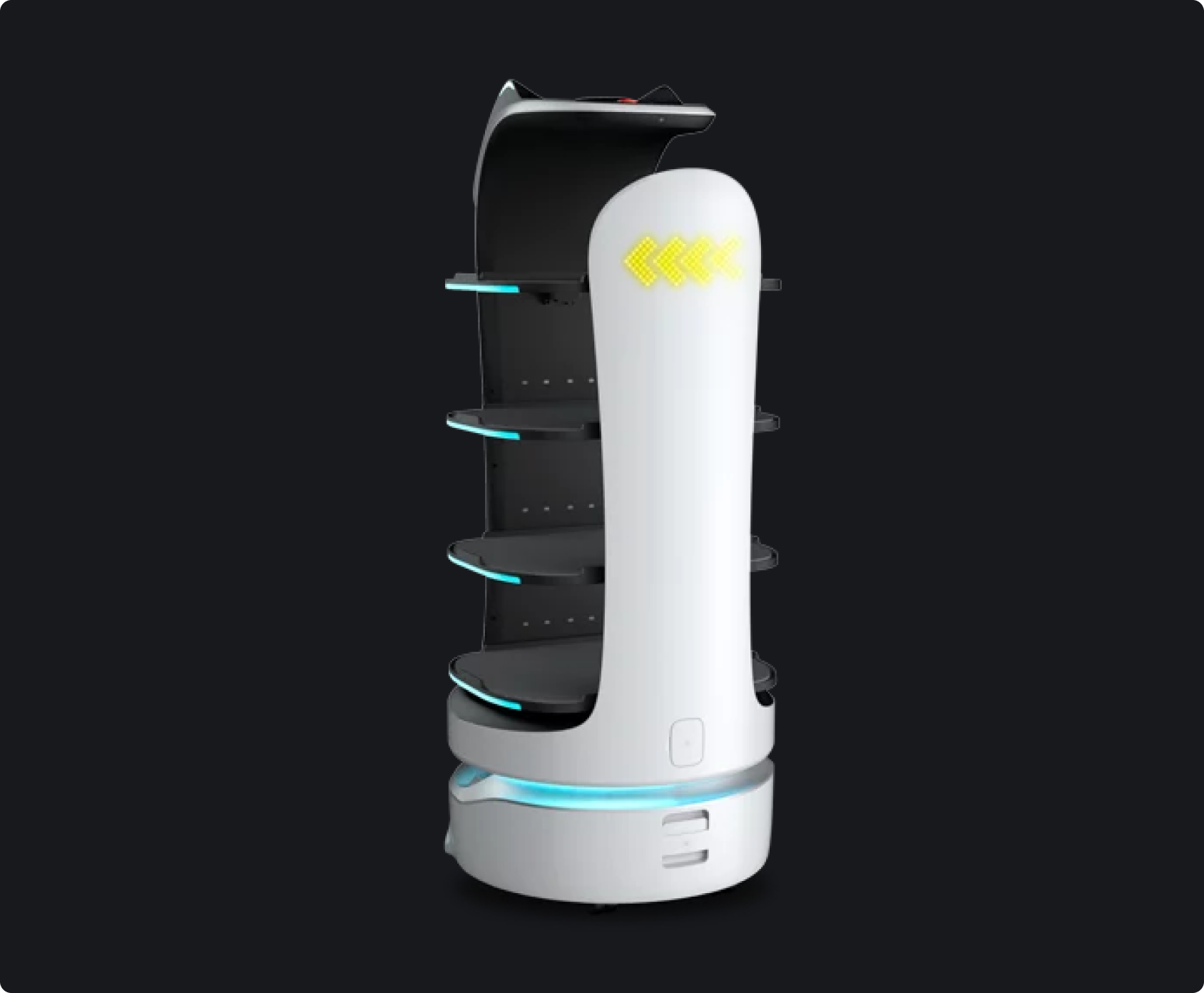
Bussing robot designed with larger storage for dishes and large items.

New era of guest services

Waiter

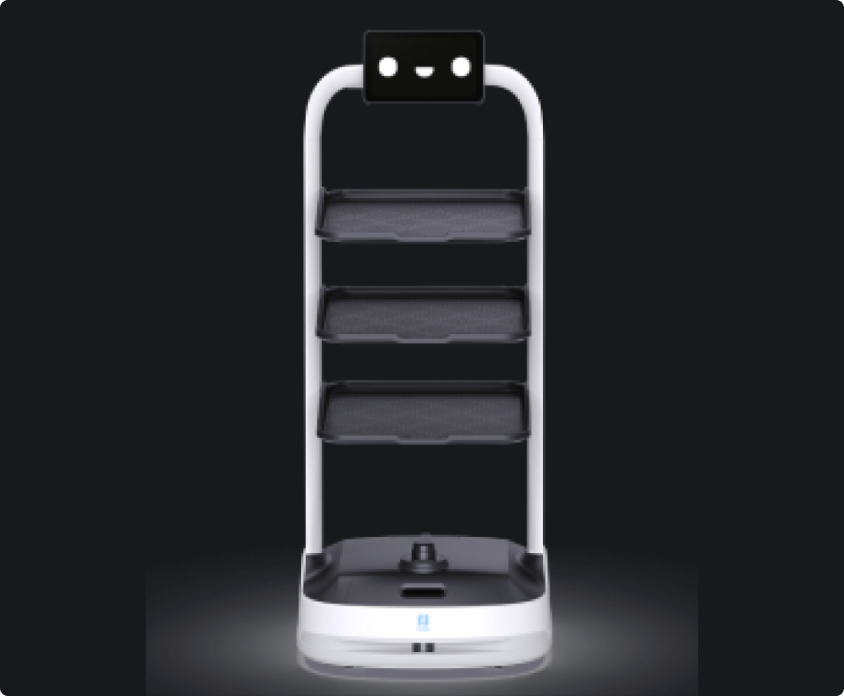
Interactive food runner designed for ordering and carting items

New era of guest services

Food runner

Alleviates the workload on human staff, allowing them to focus on providing exceptional customer service and attending to guests needs.

New era of guest services

Room Delivery

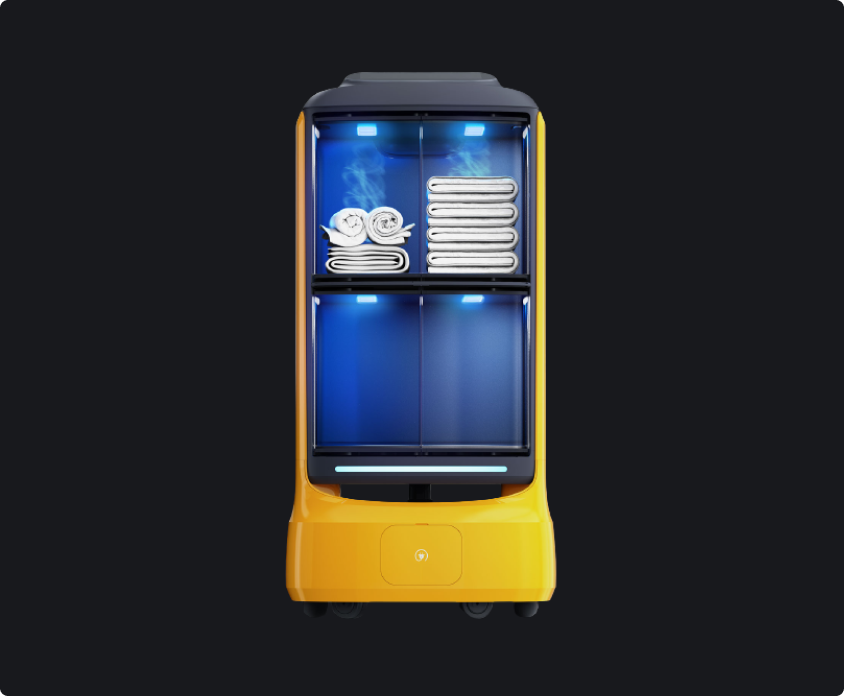
Room delivery robot with large and disinfecting storage.

New era of guest services

All Purpose Cleaning

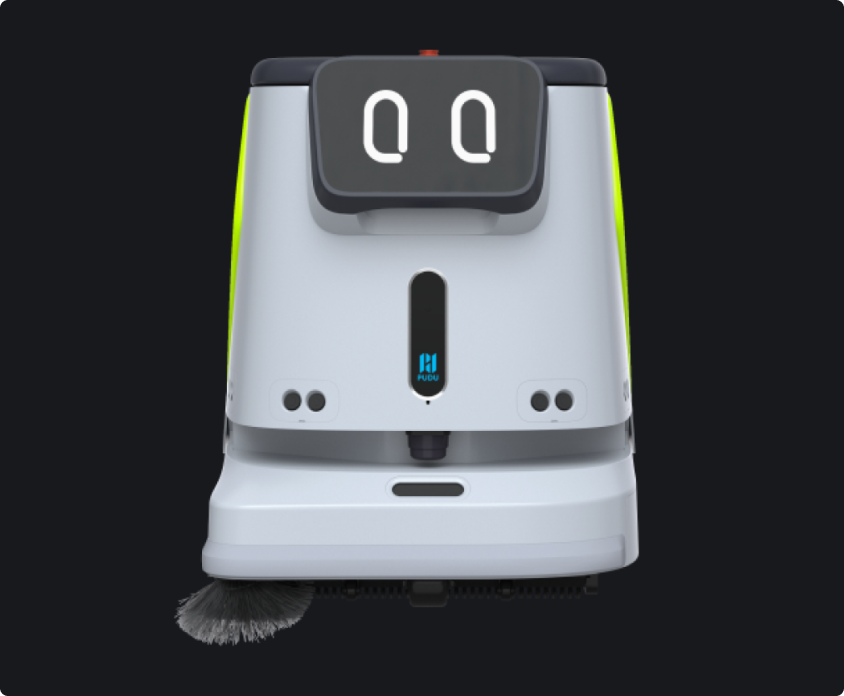
4-in-1 cleaning robot with vacuuming, sweeping, scrubbing, and mopping capability.

New era of guest services

Heavy Duty Cleaning

Heavy duty cleaning robot designed for large hard to clean large back of the house spaces.

New era of guest services

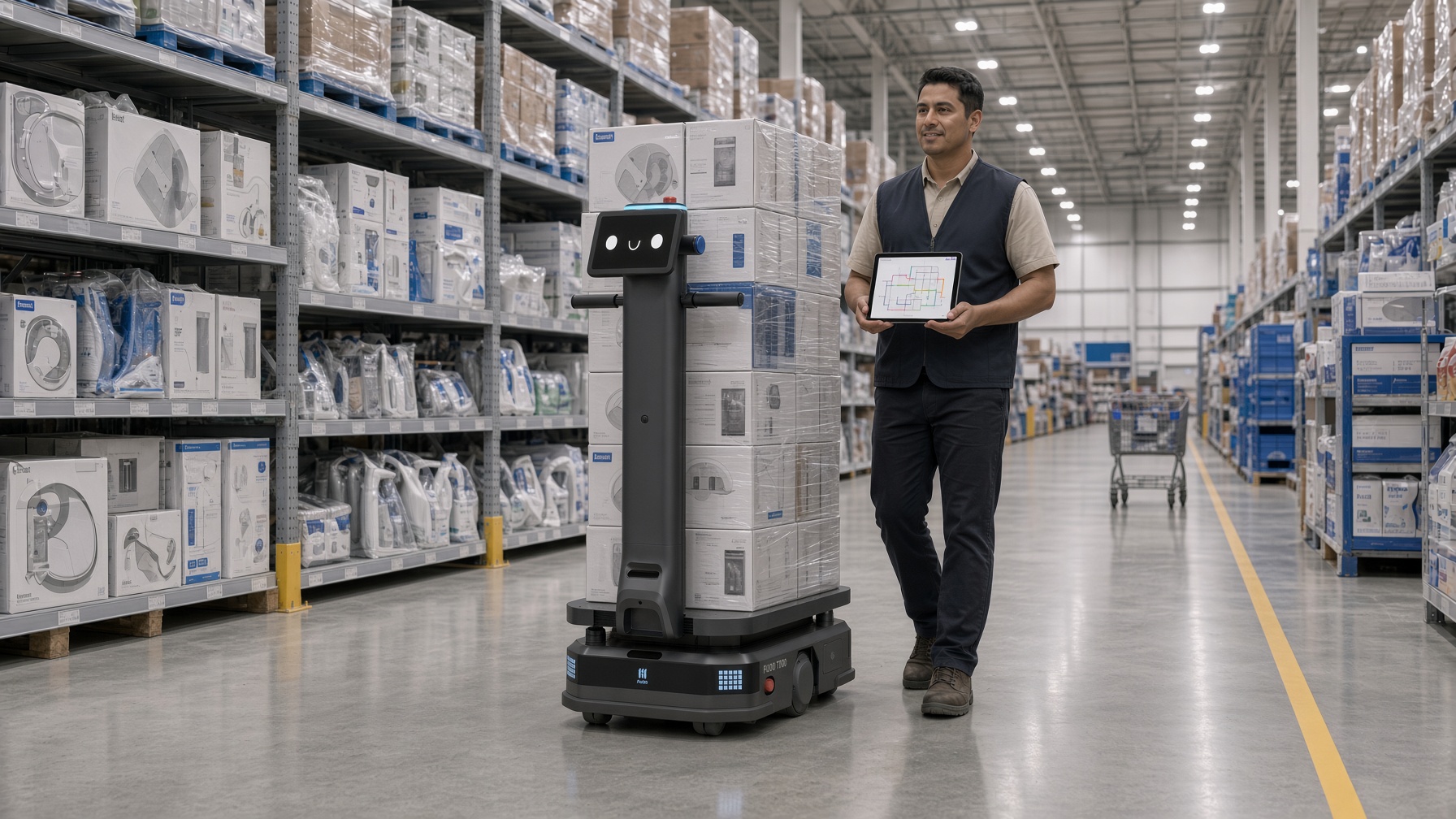
Cargo Distribution

Heavy duty delivery robot for handling large and heavy payloads up to 600kg.

New era of guest services

Marketing Concierge

Customer success concierge service robot to assist with customer needs.

Other related posts