Future of Work Robotics Automation: The Enterprise Inflection Point

Service robots clean floors, deliver meals, and move supplies, giving frontline teams more time to help customers and oversee quality. Start with one repetitive task, train staff, and track time saved and how reliably the robot completes the task before expanding.

SHARE THIS POST

Robotic automation helps enterprises manage repetitive tasks, ease staff workloads, and free teams to focus on customer service. WorkWise combines autonomous robots, operational consulting, and staff training to improve service delivery and operational capacity.

The Current Landscape: Robot Adoption and Payback Across Industries

WorkWise Robotics is behind more than 90,000 commercial robot deployments worldwide. According to CEO Cam Parra, companies investing in robotics see payback within 90 days. These figures highlight the scale of commercial adoption and the potential returns of a robotic workforce strategy across airports, retail, hotels, cruises, public infrastructure, and warehousing.

Why Is Future of Work Robotics Automation Reaching an Inflection Point?

Greater operational capacity, more consistent service, and better use of staff time are key reasons service-sector businesses are exploring robotics. As demand grows, enterprises are looking at ways to handle routine work while giving frontline teams more time for customers.

According to Thomson Reuters, businesses across hospitality, transportation, retail, cruise, and public infrastructure are integrating autonomous service robots into daily operations.

A robotic workforce strategy starts with a practical question: which tasks take up staff time without requiring their full attention or expertise? Automating those workflows can give employees more time for customer interactions, problem-solving, and other responsibilities that benefit from human involvement.

NEWSLETTER

Want to stay up to date with news and updates about our product? Subscribe.

TOP REPORT

Gain special privileges to our premium report! Unlock exclusive insights and information that are not available anywhere else.

Introducing Workwise Robotics, where cutting-edge robotics technology meets unparalleled hospitality service.

Preparing Teams to Use Robotics for Better Customer Service

  • Build capacity, strengthen customer experience. Operators who integrate robotics early can free up staff time, improve service delivery, and reinvest that capacity in customer interactions and loyalty.
  • A workforce strategy, not a purchase. The companies setting the pace treat robotics as a multi-year shift in operating model, sequenced carefully and measured against business outcomes.
  • Training comes first. WorkWise Academy prepares existing teams before any robot goes live, turning deployment into workforce evolution.

How Robotics Supports Different Industries

The operational benefits depend on the work being automated and the environment where robots are deployed.

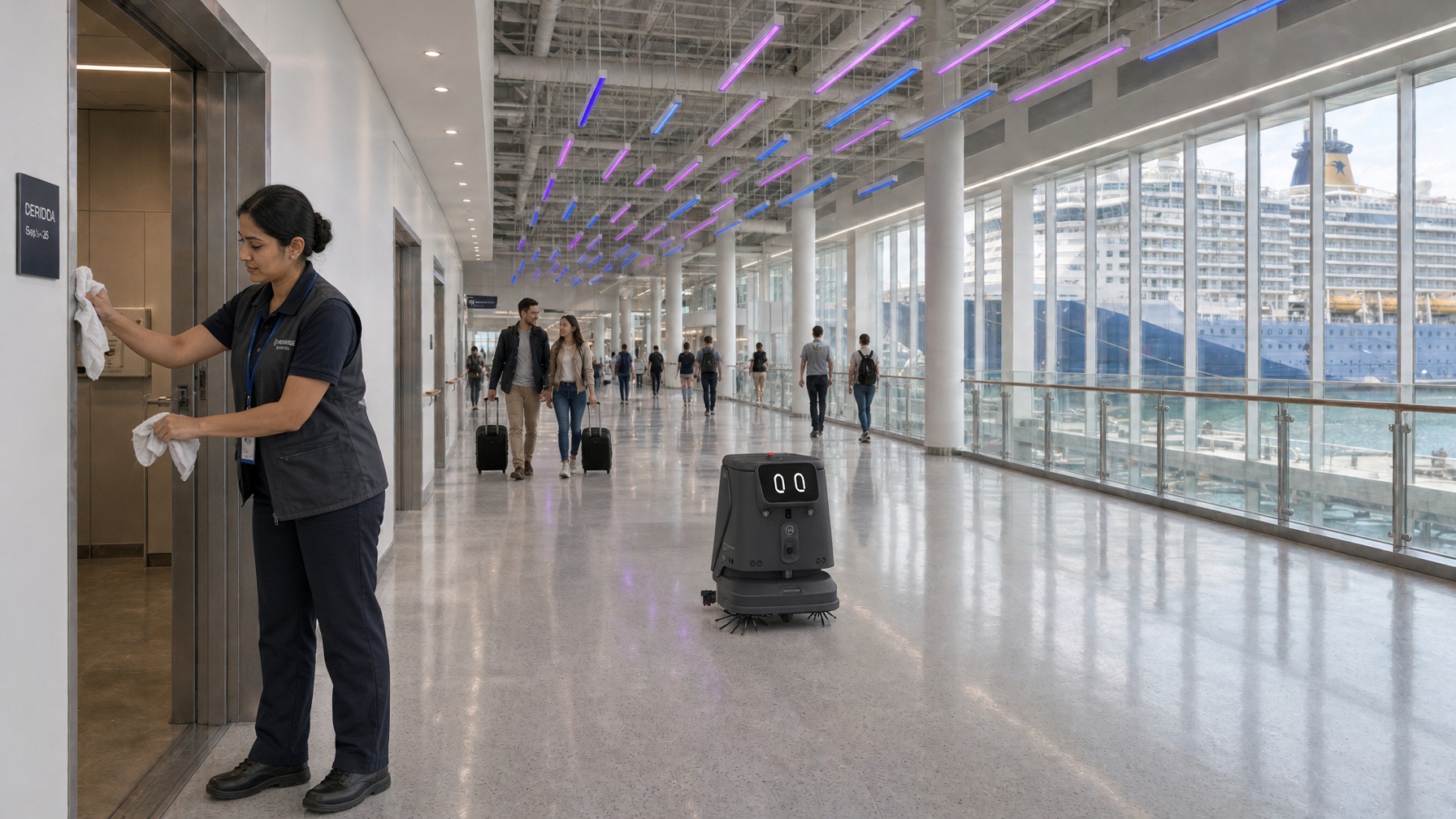
Airports and ports. Autonomous cleaning robots support consistent floor care, allowing teams to focus on specialized tasks. Cargo transport robots can support the movement of goods between docks and terminals, helping streamline internal transport.

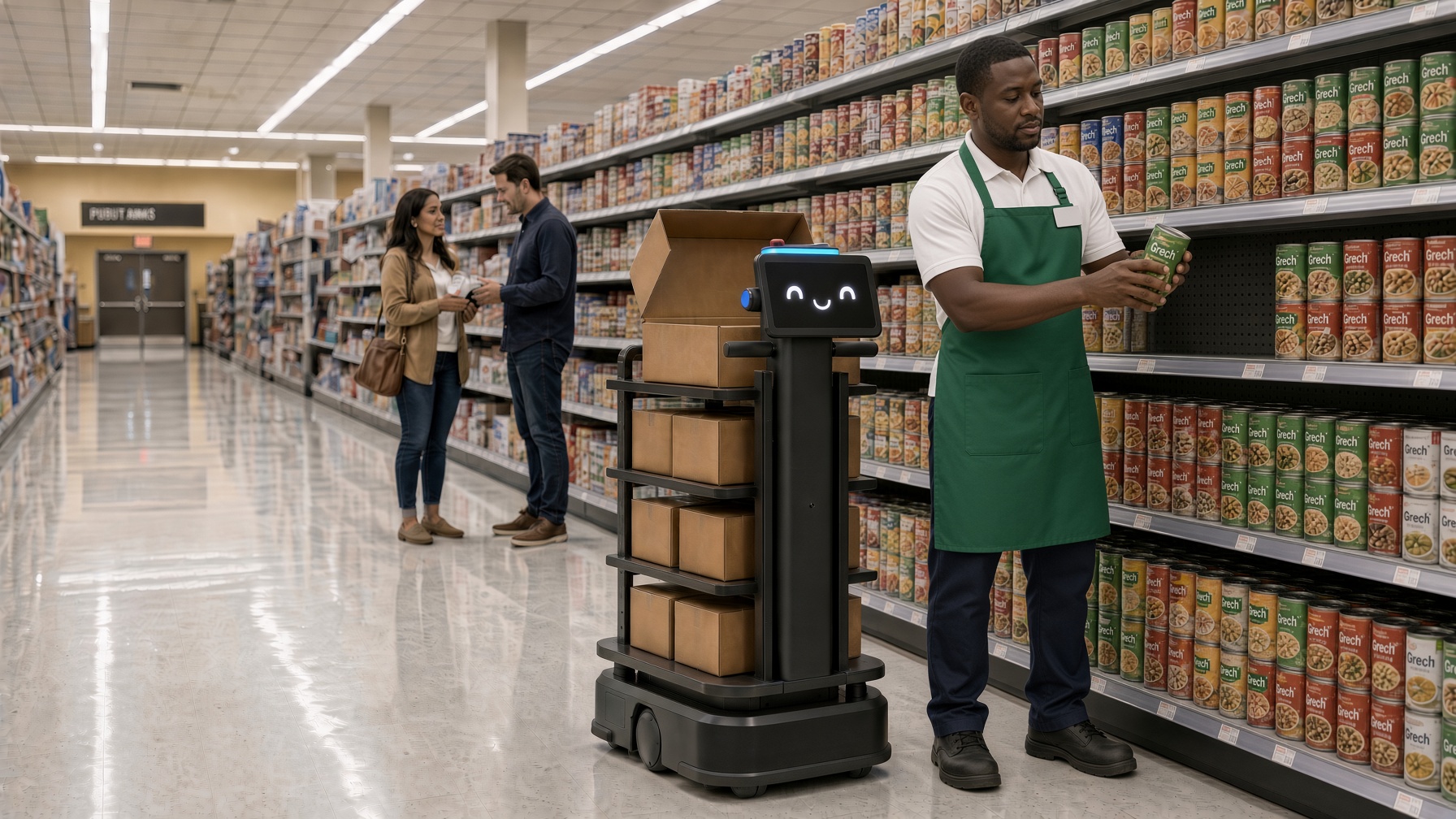
Retail. Restocking robots move products across sales floors, supporting shelf replenishment and product availability.

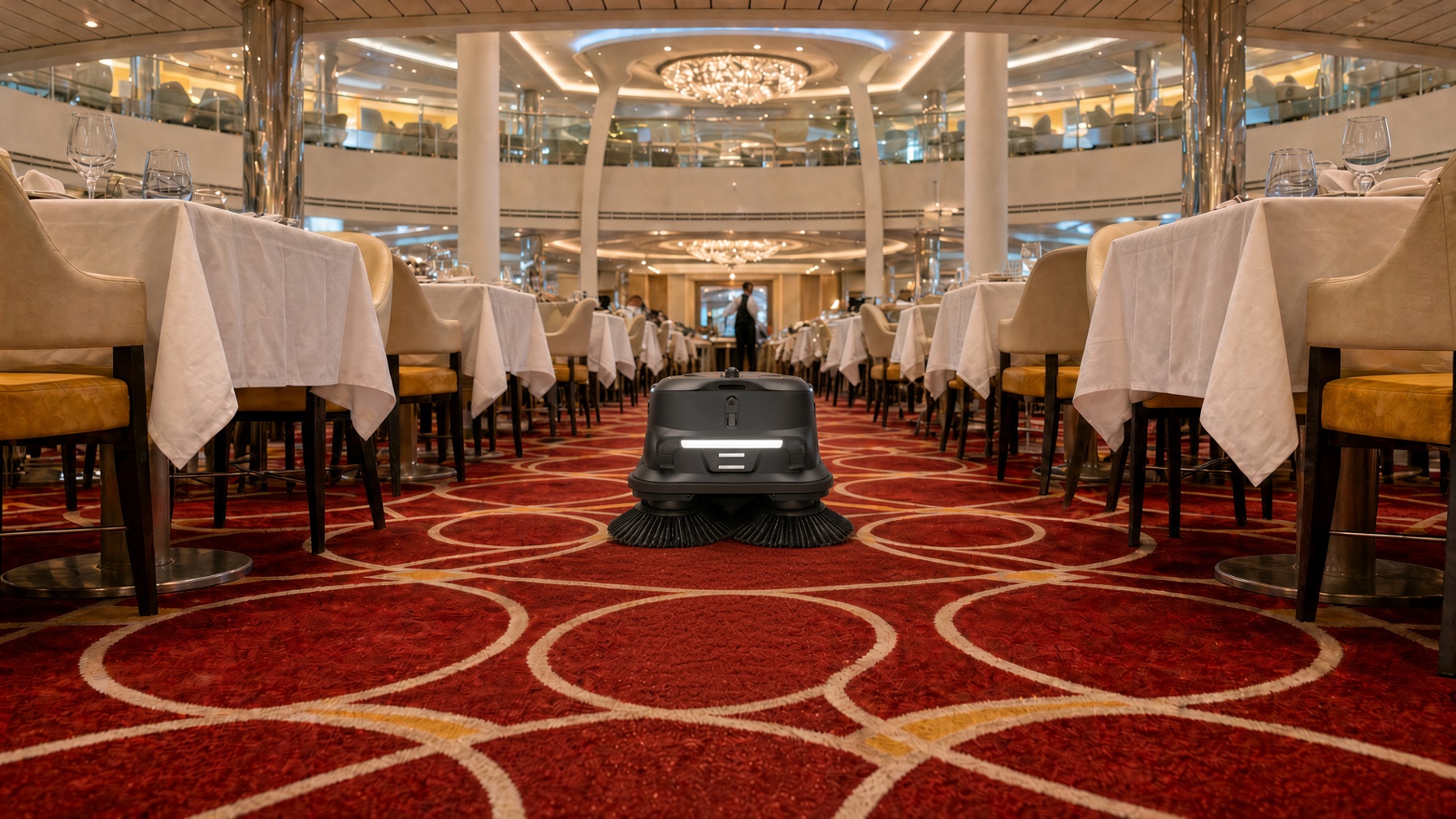
Hotels and cruises. Floor-cleaning robots handle large areas, while food-running robots and bussing robots transport items during service. These tasks return time to staff, leaving them with more time for guest assistance, personalized service, and other customer-facing responsibilities.

Public infrastructure. Robotic cleaning solutions help ports, transit hubs, and civic spaces manage routine maintenance. WorkWise’s PortMiami deployment, unveiled at eMerge Americas 2026, is an example of robotics deployment in a public-sector setting.

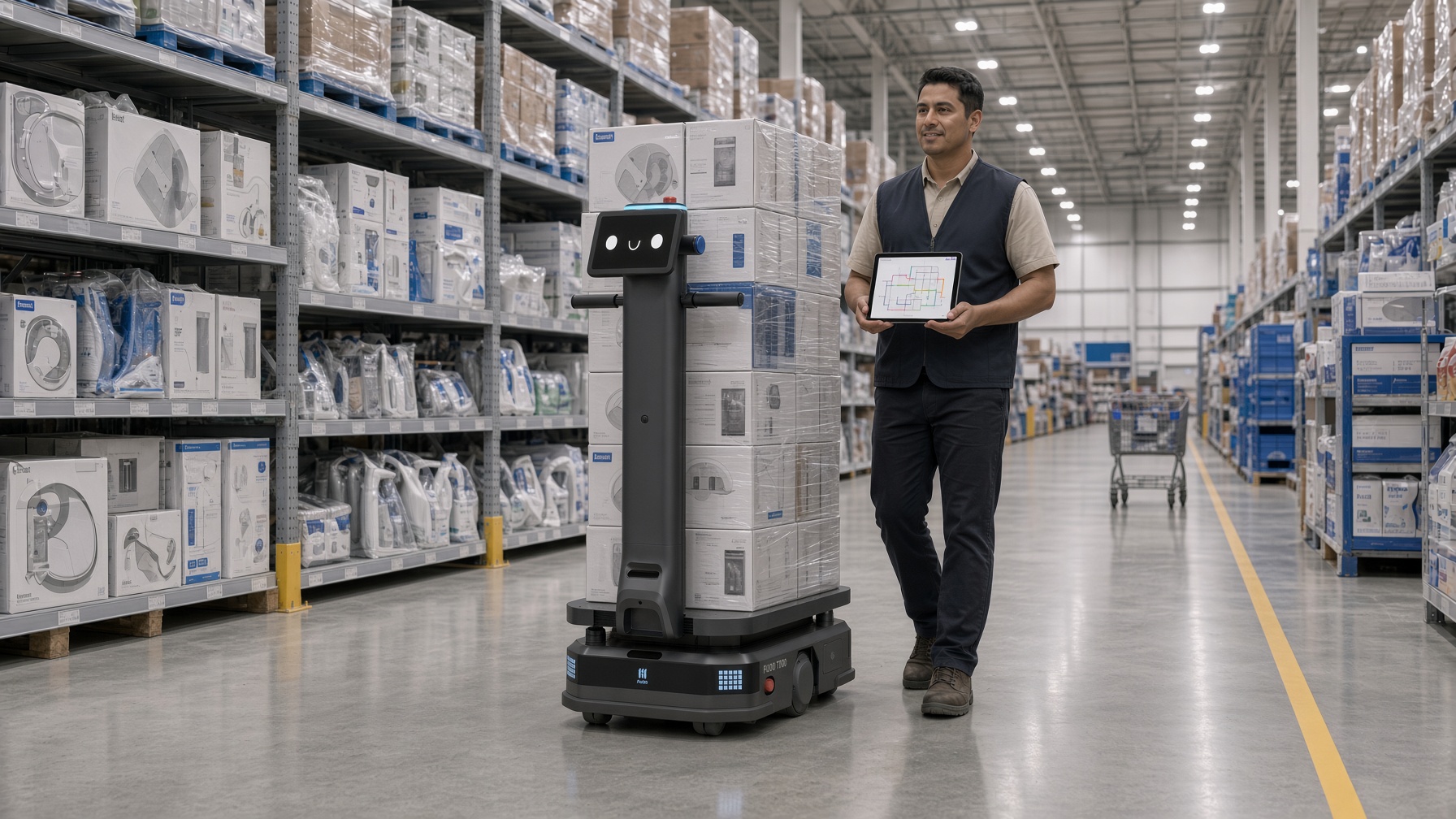
Warehousing and logistics. Inventory and transport robots support stock management, cycle counting, and goods movement.

Across these industries, the goal is to assign routine, repetitive tasks to robots so employees can focus on work that calls for judgment, communication, and direct customer attention.

Which Workflow Should Your Team Automate First?

Start by identifying the workflow where repetitive work consumes the most capacity and returns the least differentiation. We help enterprises design a robotic workforce strategy, sequence the rollout, and measure outcomes against business metrics, not pilot activity. Through WorkWise Academy, existing teams are trained to operate robots, interpret performance data, and coordinate fleets across shifts. Request a workflow assessment to explore where a robotic workforce transformation can begin in your operation.

Building a Workforce Around Robotics

Integrating robots into daily operations requires more than selecting equipment. Businesses need to identify suitable workflows, prepare employees, and determine how automation will fit into existing procedures.

An autonomous workforce strategy connects these decisions to operational goals. Enterprises can start with tasks such as floor care, food transport, internal logistics, or restocking, then evaluate how those deployments affect workloads and service delivery.

This approach also helps clarify the role of employees. Robots take on designated repetitive tasks, while staff remain responsible for customer needs, problem-solving, and service quality. The objective is to make better use of existing workforce capacity, not to remove humans from service.

Why Implementation Matters

The value of robotics depends on how well the technology fits the operation. Leaders need to consider staff training, standard operating procedures, performance measures, and the practical changes required to coordinate robot fleets across shifts.

We bring operational consulting to this process, drawing on experience in enterprise transformation, process design, change management, and performance measurement. Our approach connects robotic deployments with the way a business already operates.

We also offer a Robots-as-a-Service model, allowing enterprises to access robotic solutions through an operating-service arrangement rather than relying solely on an upfront equipment purchase. Through WorkWise Academy, existing facility staff can learn to operate robots, interpret performance data, and coordinate fleets.

Together, these elements support a robotic workforce transformation that includes both technology and the people responsible for using it. The aim is to make automation part of everyday operations, with defined responsibilities and outcomes that businesses can evaluate.

Where Should Businesses Begin?

Start by identifying the workflow where repetitive work consumes the most capacity but contributes the least to the customer experience. Consider how often the task occurs, how much staff time it requires, and whether automation would fit the environment. For a practical example, explore which tasks hotels can automate with robotics, including food running, bussing, room delivery, and property cleaning.

Next, define the outcome the business wants to improve. That might mean more consistent cleaning, smoother internal transport, better shelf replenishment, or more staff availability for guest-facing service. Establishing a clear objective makes it easier to assess whether a deployment delivers practical value.

Finally, prepare employees and managers for the change. Training, clear procedures, and ongoing performance reviews help teams incorporate robots into their routines and identify where adjustments are needed.

Robotics is a workforce and operational decision as much as a technology decision. When enterprises connect automation to specific tasks, staff responsibilities, and measurable business goals, they have a clearer basis for deciding where it belongs.

Explore WorkWise Robotics to learn more about our industry solutions and robotic workforce services.

Ready to identify the right starting point for your operation? Request a workflow assessment to discuss your needs.

Source: WorkWise Robotics Named Workforce Partner for Autonomous Deployment at PortMiami, Supporting Smart City Infrastructure: Thomson Reuters on PortMiami deployment and workforce training approach.

Source: WorkWise Robotics: Company information and industry solutions.

NEWSLETTER

Want to stay up to date with news and updates about our product? Subscribe.

TOP REPORT

Gain special privileges to our premium report! Unlock exclusive insights and information that are not available anywhere else.

Introducing Workwise Robotics, where cutting-edge robotics technology meets unparalleled hospitality service.

Explore our Robots

Learn how the best hospitality brands are using Workwise Robotics as their robotics staffing partner

New era of guest services

Bussing

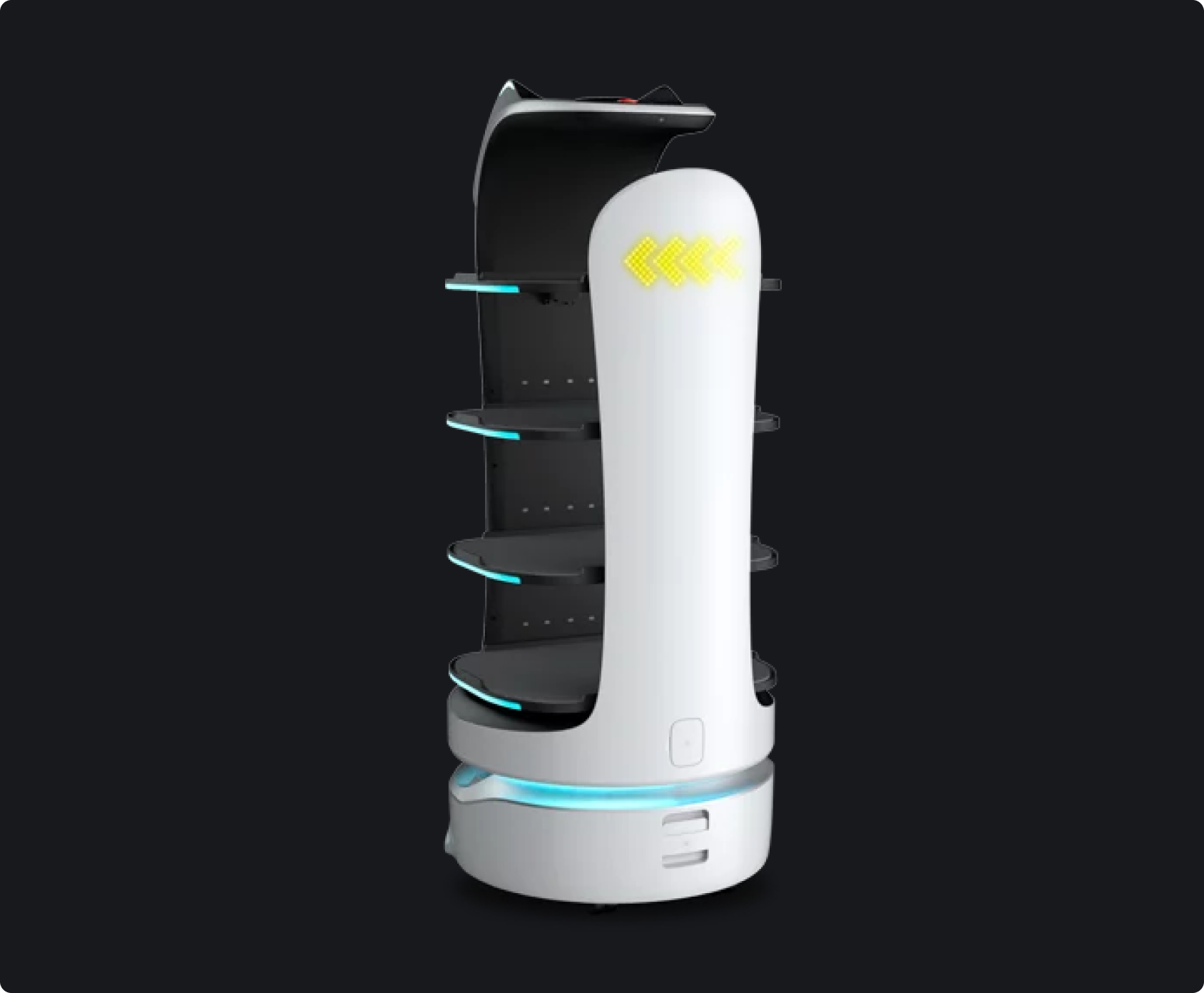
Bussing robot designed with larger storage for dishes and large items.

New era of guest services

Waiter

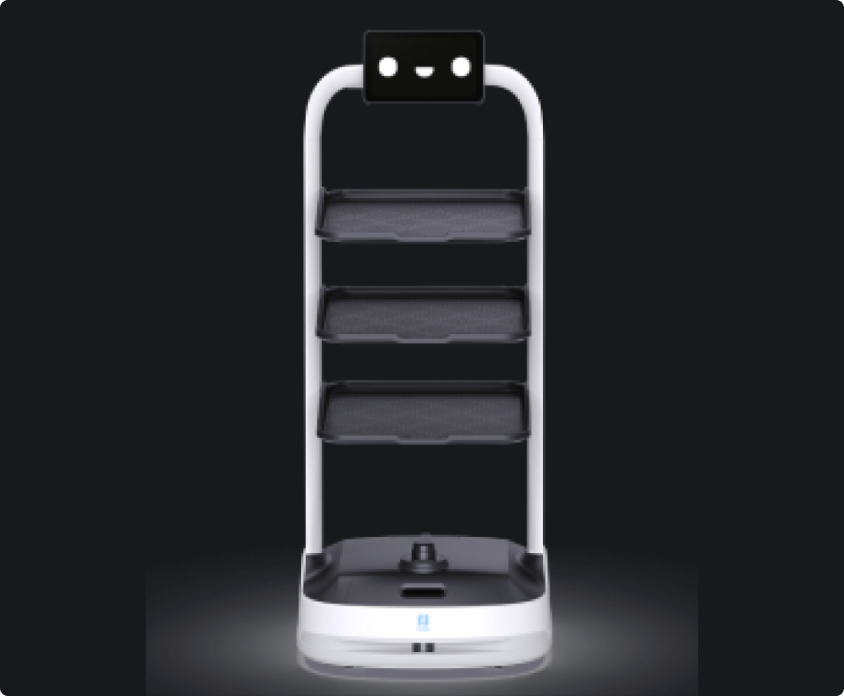
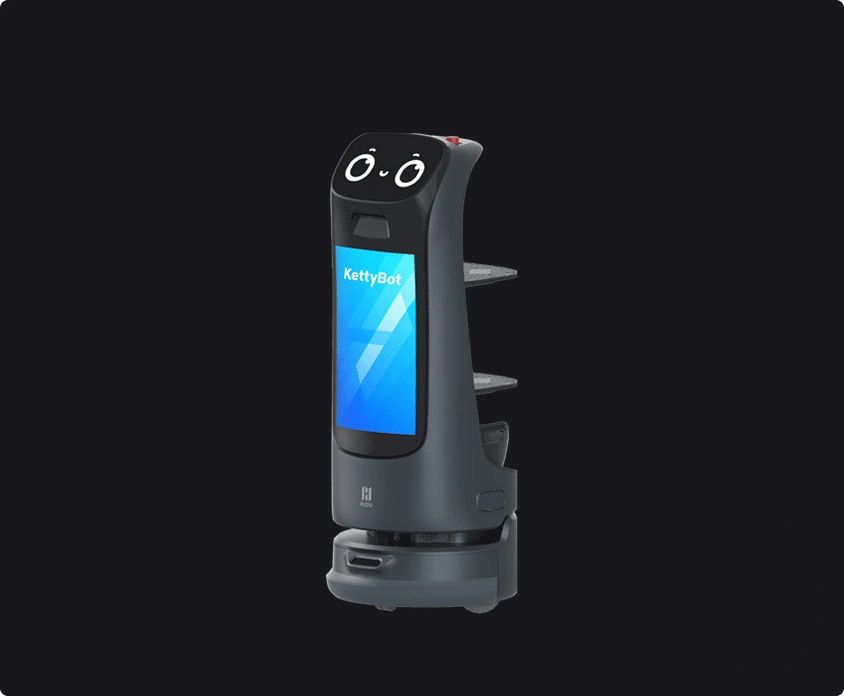
Interactive food runner designed for ordering and carting items

New era of guest services

Food runner

Alleviates the workload on human staff, allowing them to focus on providing exceptional customer service and attending to guests needs.

New era of guest services

Room Delivery

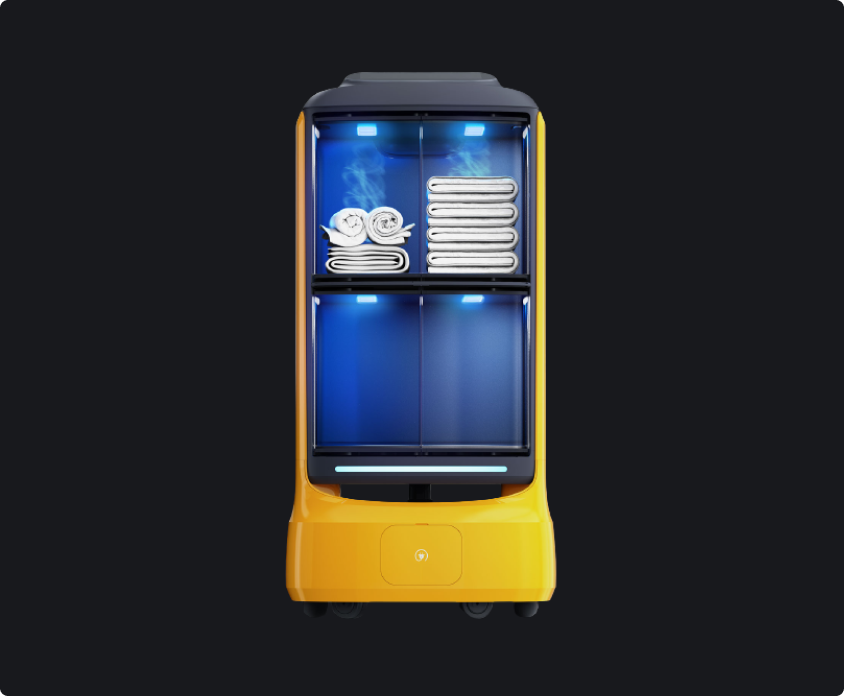
Room delivery robot with large and disinfecting storage.

New era of guest services

All Purpose Cleaning

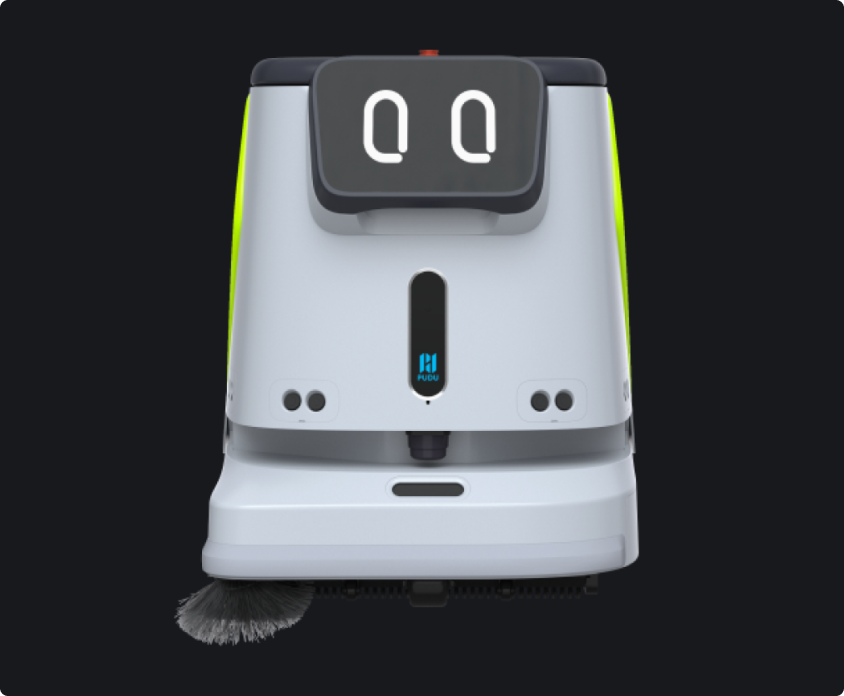
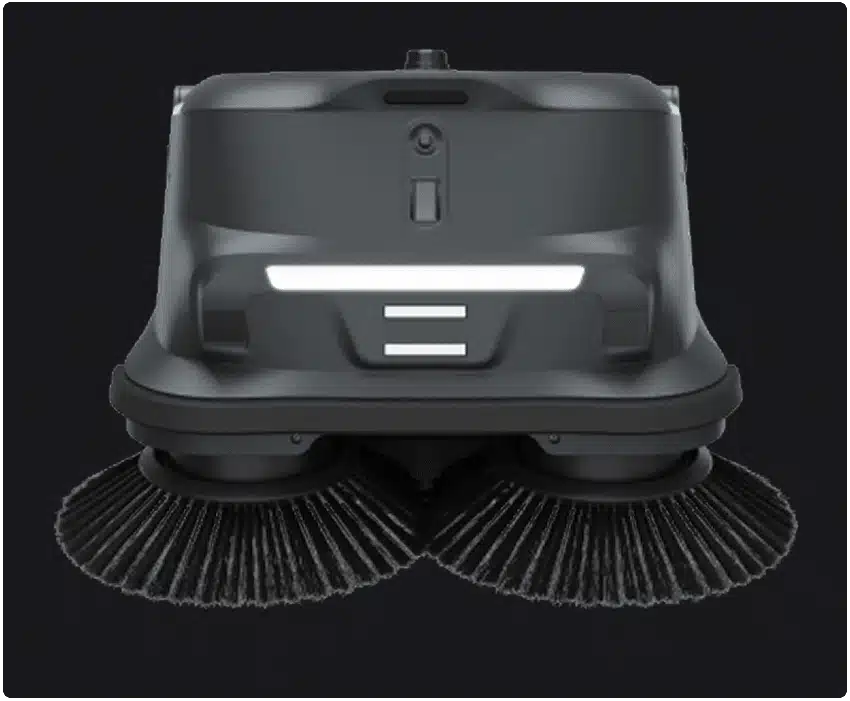
4-in-1 cleaning robot with vacuuming, sweeping, scrubbing, and mopping capability.

New era of guest services

Heavy Duty Cleaning

Heavy duty cleaning robot designed for large hard to clean large back of the house spaces.

New era of guest services

Cargo Distribution

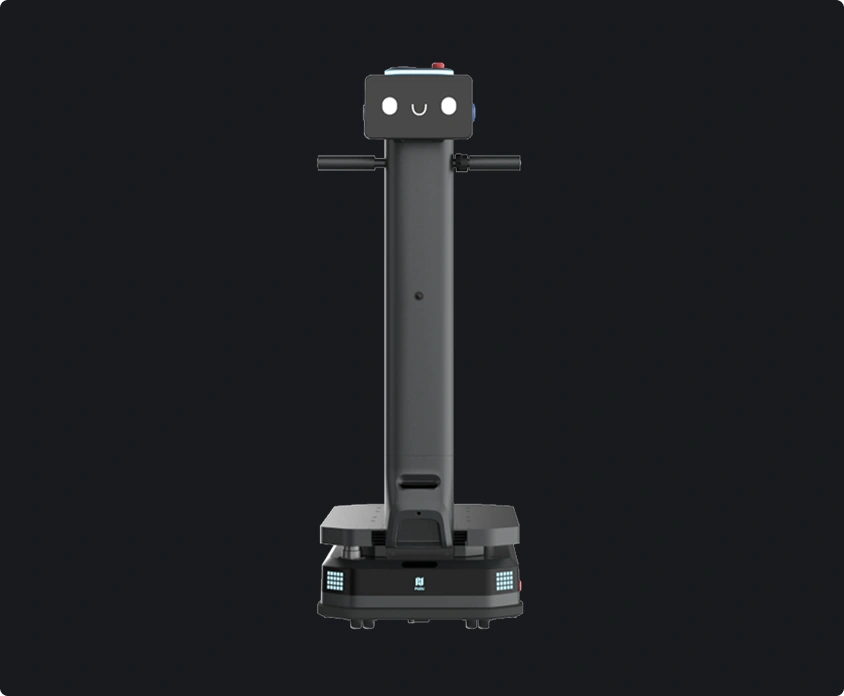
Heavy duty delivery robot for handling large and heavy payloads up to 600kg.

New era of guest services

Marketing Concierge

Customer success concierge service robot to assist with customer needs.

Other related posts