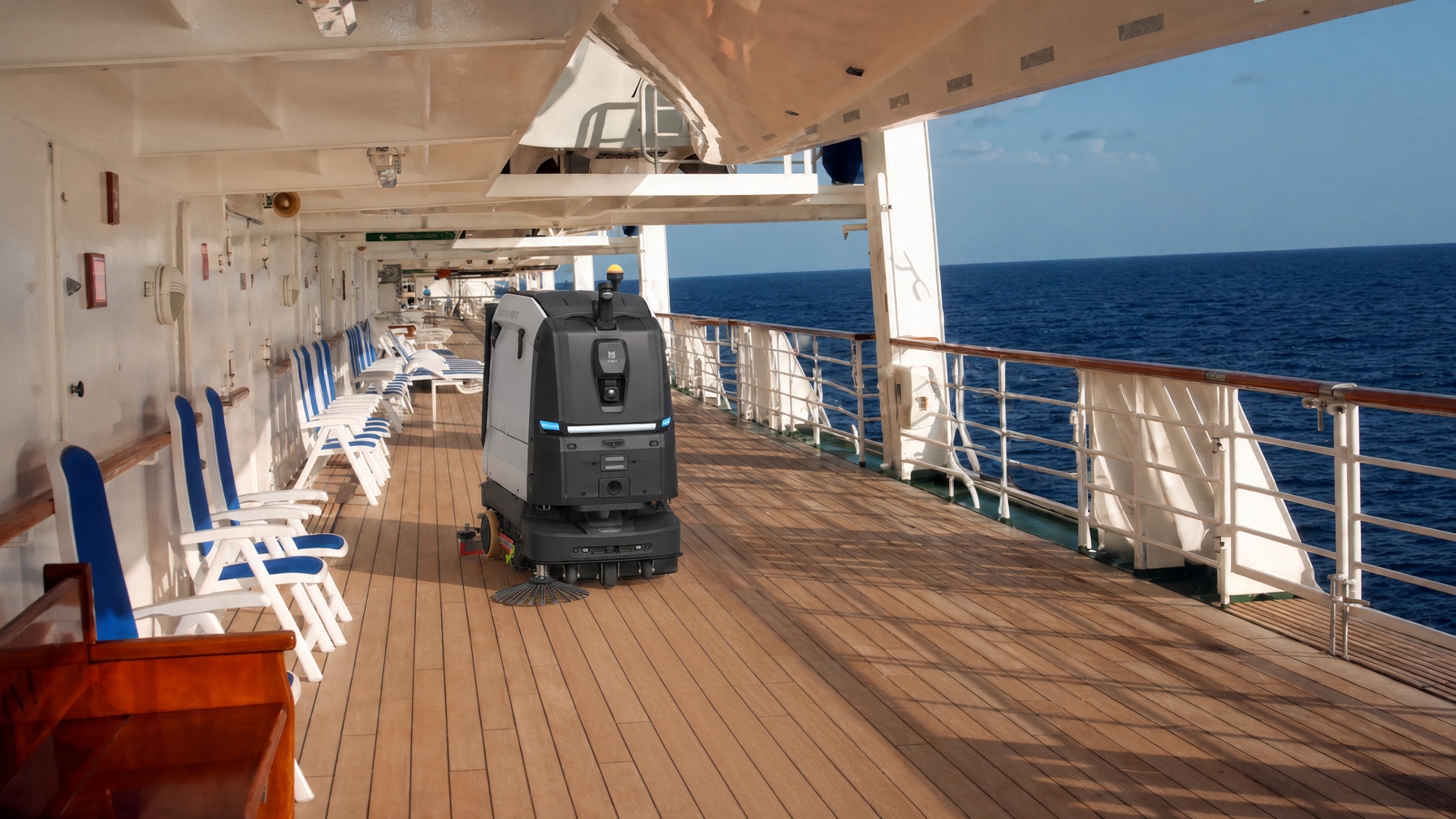
Cruise Ship Cleaning Robots: How Cruise Lines Keep Public Spaces Spotless Around the Clock
With over 70% of hotels reporting that events contribute substantially to their revenue streams, the integration of robotics
Airports need efficient terminals, consistent service, and a strong passenger experience across cleaning, wayfinding, logistics, and food service. Integrated robotics can increase operational capacity, reduce manual workload, and help teams maintain service standards across these workflows.
Airport floor cleaning automation, wayfinding, and logistics give employees more capacity to focus on higher-value operational priorities while supporting a more efficient, passenger-focused terminal.
Integrated robotics can improve the KPIs airport leaders care about most. Passenger satisfaction scores can increase by 0.5–1.0 points when cleaning, wayfinding, and logistics work together. Immediate, accurate directions can reduce perceived wait times by 20–30%, while guided foot traffic can increase concession sales by 20–30%. Together, these gains show how coordinated automation can improve passenger experience, strengthen service performance, and create more value from existing terminal traffic.
When cleaning, wayfinding, and logistics work together, airports can increase operational capacity, improve service consistency, and create a better passenger experience. Each workflow delivers value on its own; coordinating them extends those gains across the terminal.
Airports integrating robotics across these workflows report 0.5 to 1.0 point gains in passenger satisfaction. Robotic systems can also expand staffing capacity by taking on routine tasks, giving employees more time for work that requires human judgment. By supporting more efficient cleaning operations and consistent service, robotics can help airports improve airport cleaning efficiency while maintaining consistent service across the terminal.
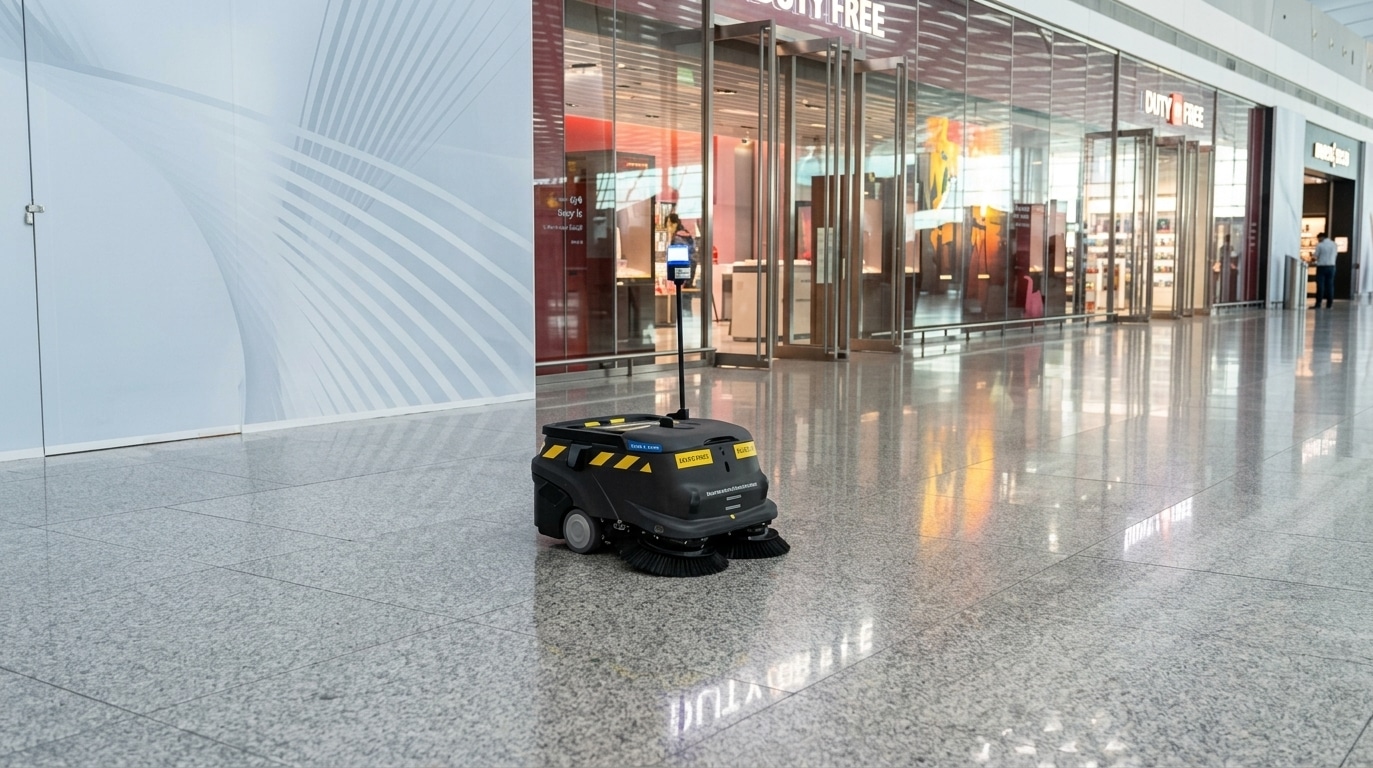
Consistent floor care supports terminal readiness, passenger satisfaction, and efficient use of cleaning teams. With constant foot traffic, spills, and tracked-in debris, airport floor cleaning automation can extend cleaning capacity across large terminal areas.
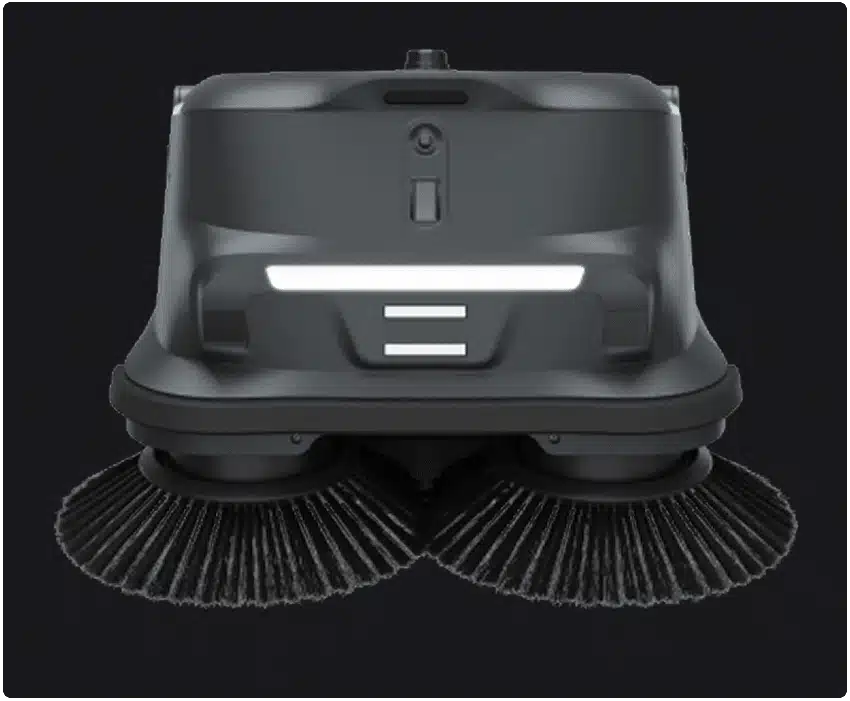
Our cleaning robots support consistent floor care throughout the day:
Workwise combines implementation, employee training, performance measurement, and ongoing support to integrate cleaning automation into existing operations. Employees and robots work together, giving teams more capacity to focus on areas requiring human attention.
For cleaning teams, that means more time to handle high-touch areas, respond to changing conditions, and maintain the standards that require human oversight.
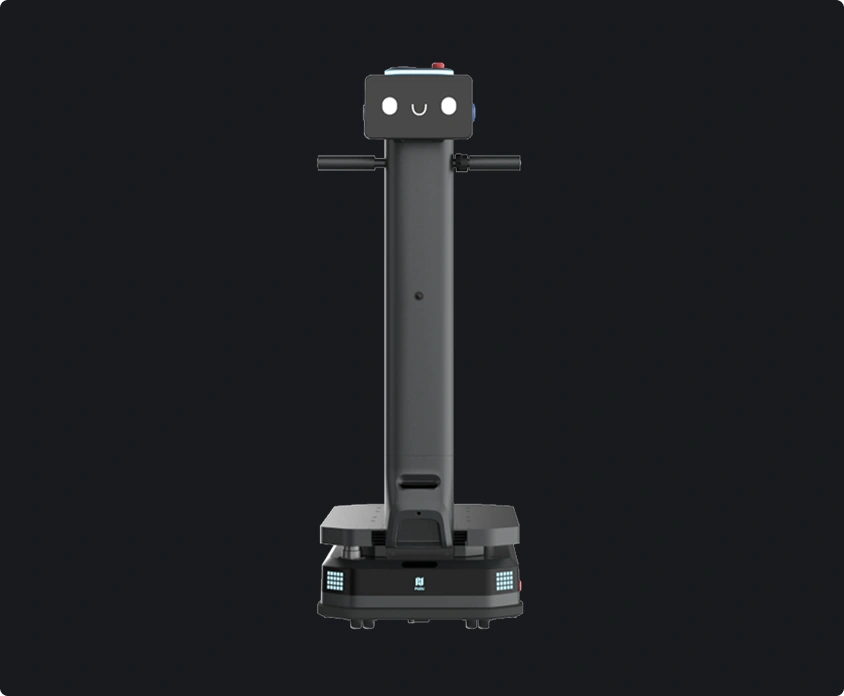
Easy access to information helps passengers navigate busy terminals, especially when connecting between terminals or visiting an unfamiliar city. Our wayfinding robot provides gate guidance, service locations, directions, and multilingual assistance.
Key outcomes include:
Workwise helps airports integrate wayfinding robots through implementation, training, and ongoing support.
For passengers, the experience is simpler: faster answers, clearer directions, and support available when they need it.
Identify where automation can deliver the greatest operational value. Workwise Robotics builds a multi-workflow roadmap around your terminal, from airport floor cleaning automation to wayfinding and cargo transport. Workwise Academy trains teams to manage robotic fleets within existing workflows.
Request a comprehensive operations assessment to identify opportunities to improve service consistency, reduce airport cleaning costs, and increase operational capacity.
For airport executives evaluating a multi-workflow robotic strategy, the business case comes down to measurable improvements across cleaning, passenger experience, and internal logistics.
|
Metric |
Potential Impact |
|
Cleaning leverage |
2–3x more coverage per shift |
|
Passenger satisfaction |
+0.5 to 1.0 points |
|
Internal throughput |
+15–25% |
|
Concession sales |
+20–30% |
|
Robot operating cost |
~$0.30/hr |
|
ROI timeline |
<12 months |
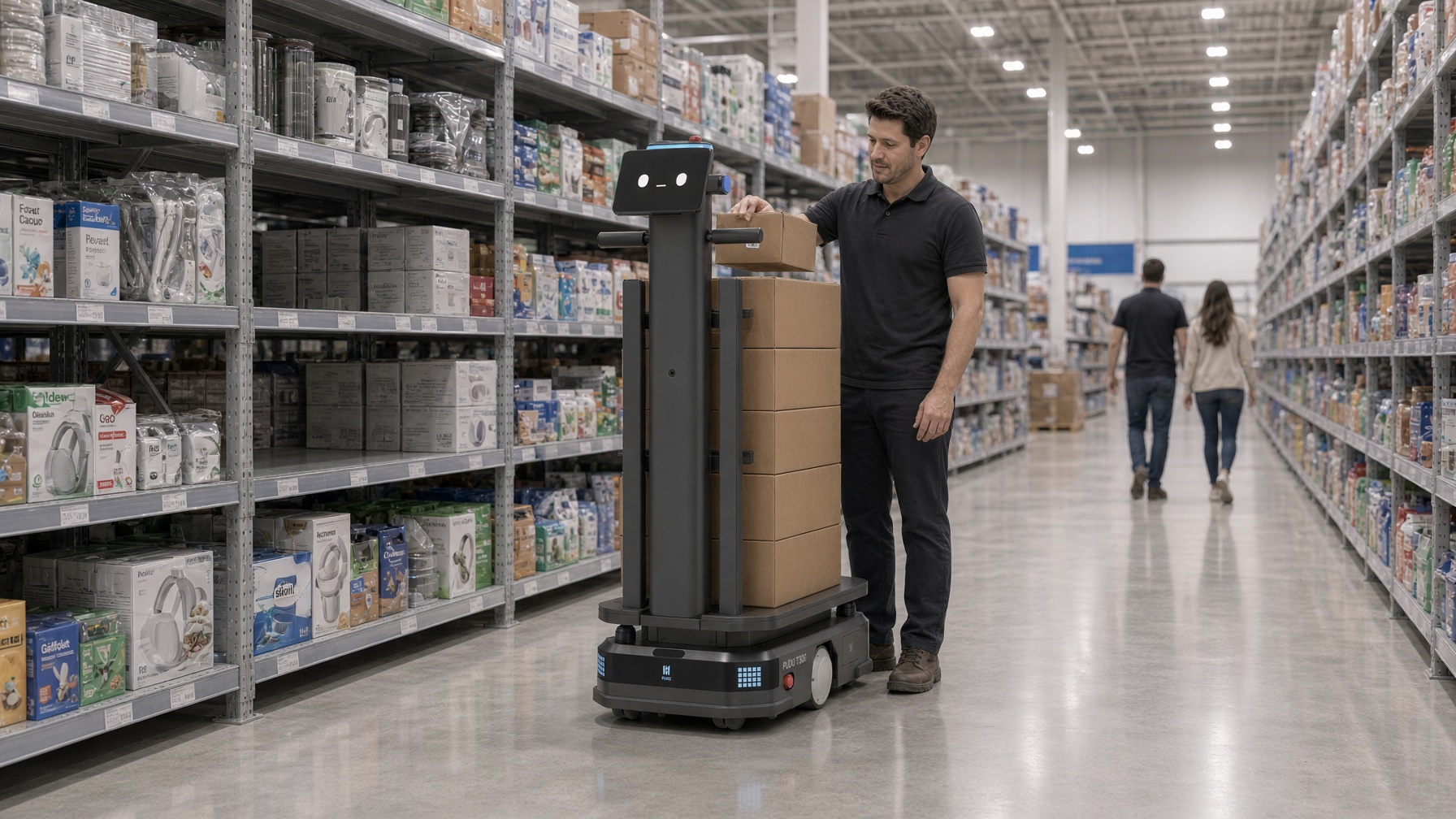
Reliable internal logistics keep terminals ready for passengers, retailers, and food service. Retail inventory, food supplies, and other materials must move continuously between loading docks, storage areas, and points of use.
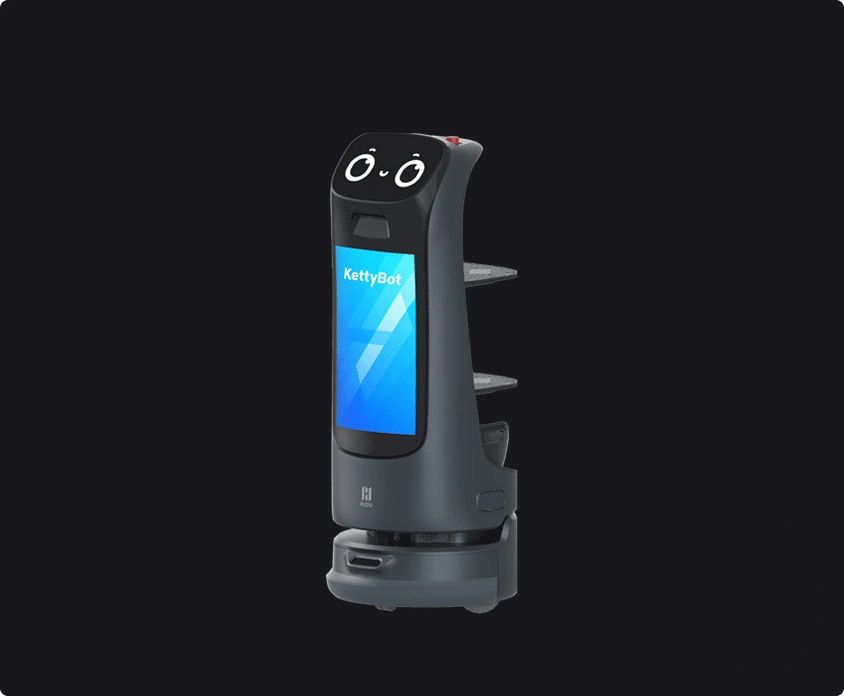
Our cargo robots support:
For facilities and operations teams, autonomous material transport creates a more predictable flow of supplies, with 15–25% higher logistics throughput and fewer routine transport demands on staff.
Successful robotic deployment starts with understanding the operation before selecting the technology.
1. Identify the Greatest Operational Opportunities
Every terminal has different layouts, passenger volumes, staffing models, and workflow demands. Identify where automation can improve capacity, consistency, or passenger experience across cleaning, wayfinding, logistics, food service, or baggage operations.
2. Establish Baseline KPIs
Before implementing a robotic solution, airport leaders need a clear understanding of current performance.
Relevant KPIs may include:
These baselines make it possible to measure the operational impact of automation.
3. Pilot and Map the Terminal Environment
Test selected workflows within the actual operating environment, considering terminal layouts, passenger flows, operating hours, safety requirements, and existing procedures.
4. Train Employees and Integrate Workflows
Technology delivers value when teams know how to use it effectively.
Through Workwise Academy, employees learn to operate robotic systems, and incorporate robotic workflows into existing operating procedures.
The objective is human-robot collaboration where employees remain responsible for oversight, decision-making, and exception handling while robotic systems provide consistent operational support.
5. Measure Results and Scale What Works
Measure each workflow against its baseline and use the results to guide expansion. High-performing workflows can be extended across additional areas, shifts, or terminals.
This creates a measured path from an initial deployment to a broader multi-workflow robotic operation.
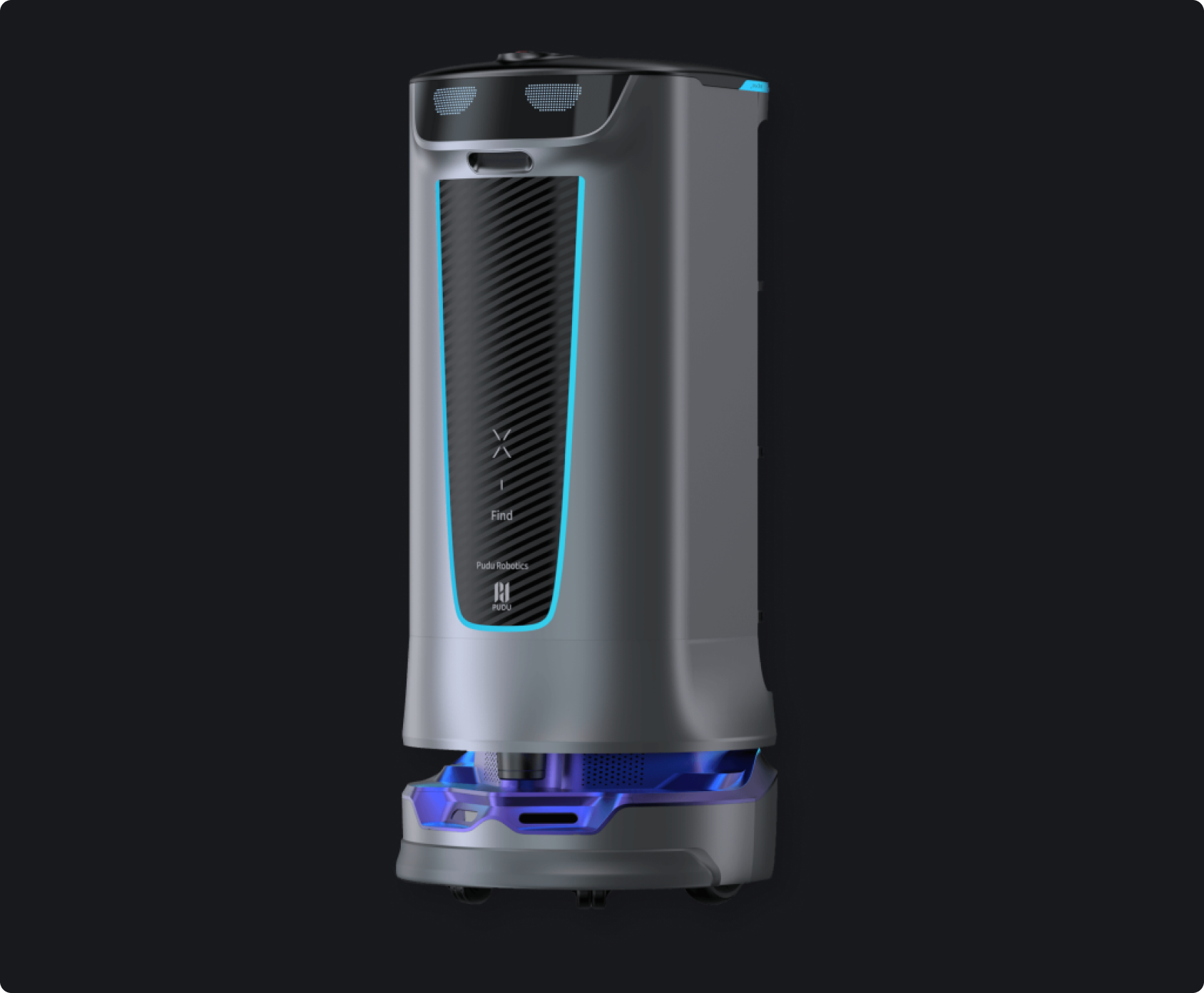
Successful robotic deployment requires more than the right technology. Workwise Robotics provides the implementation, training, and ongoing support needed to integrate automation into daily operations.
Through Workwise Academy, teams learn to operate robots, manage fleets, and interpret performance data across shifts. Our Robots-as-a-Service model also helps align deployment with operating budgets.
Workwise supports automation across transport environments, from airport floor cleaning automation and wayfinding to train station cleaning robots and internal logistics.
Build a multi-workflow automation roadmap for your terminal. Request a comprehensive operations assessment to identify where robotics can deliver the greatest operational impact.
For a practical example, read our case study on Wayfinding Robots in Airports and Stations.
Source: The performance figures referenced throughout this article are based on Workwise Robotics data and specifications for the robotic systems featured.
Source: Workwise Robotics Transportation: Passenger satisfaction, concession sales, cleaning efficiency, staffing allocation, autonomous cargo transport, and transportation-hub automation.
Source: Workwise Cleaning Robots: Cleaning capabilities, coverage, operating time, automated solution dispensing, navigation, and cleaning performance.
Source: Workwise Delivery Robots: Autonomous transport, payload capacity, obstacle avoidance, and internal material movement.
Learn how the best hospitality brands are using Workwise Robotics as their robotics staffing partner
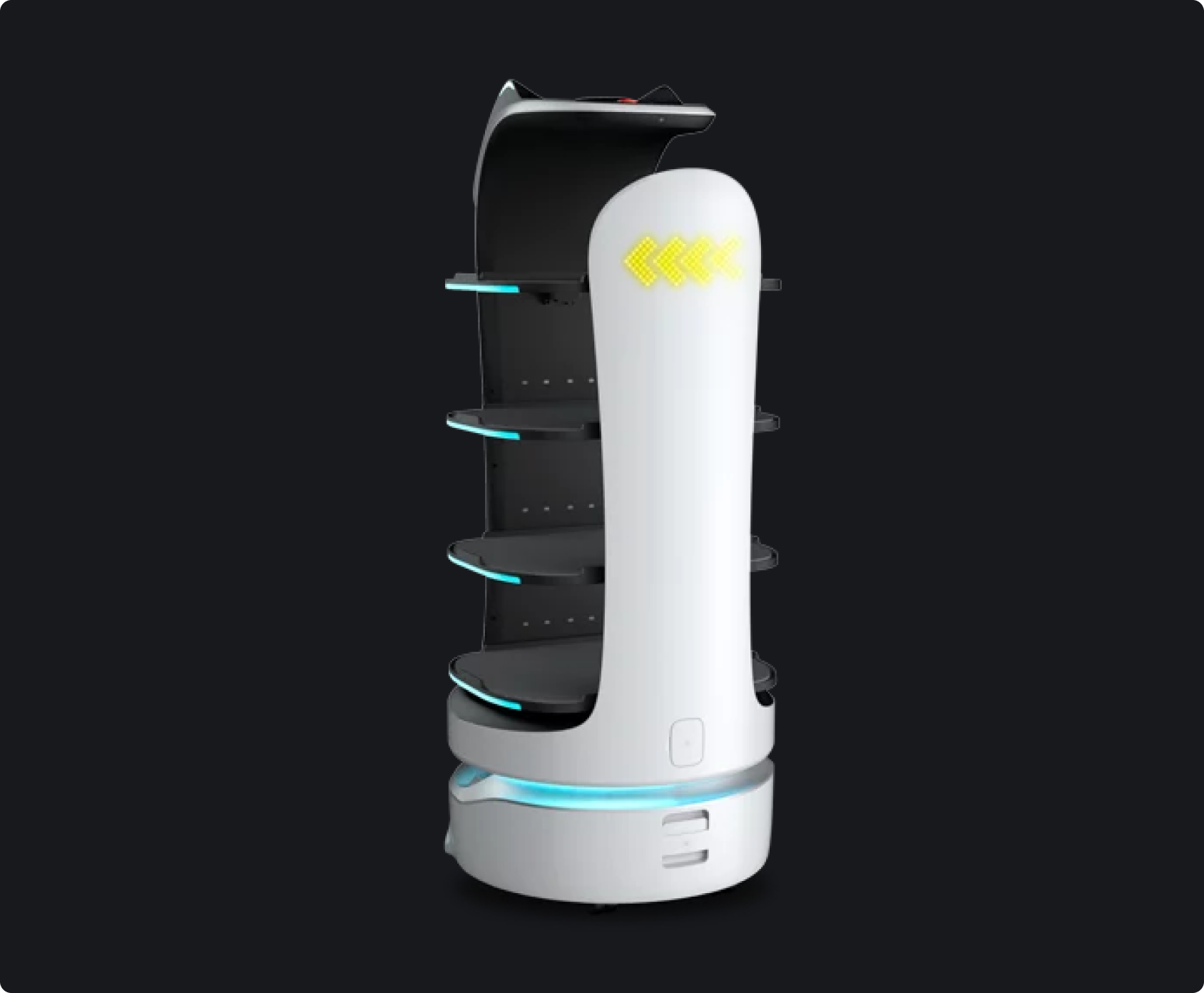
Bussing robot designed with larger storage for dishes and large items.
1 / 5
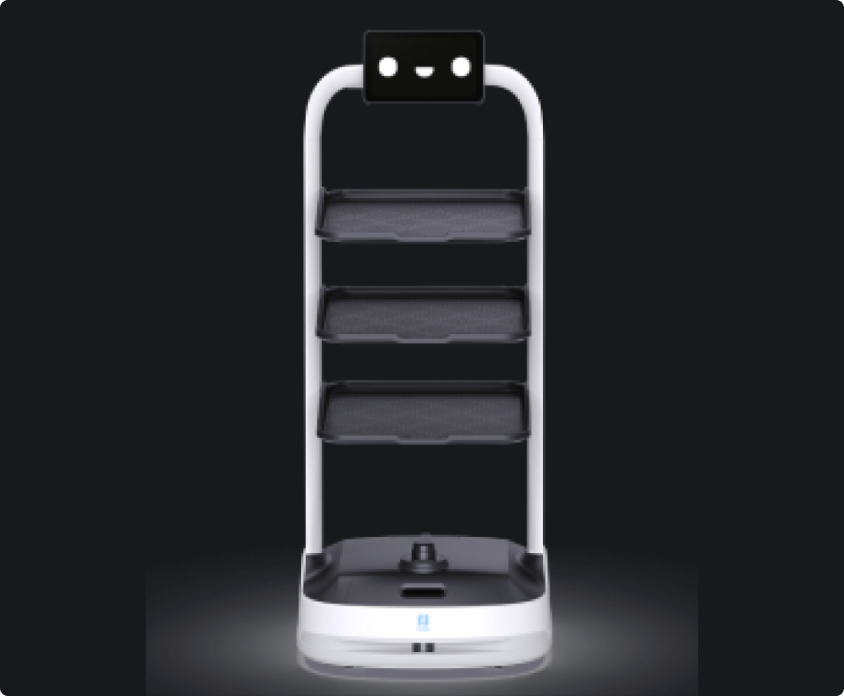
Interactive food runner designed for ordering and carting items
1 / 5
Alleviates the workload on human staff, allowing them to focus on providing exceptional customer service and attending to guests needs.
1 / 5
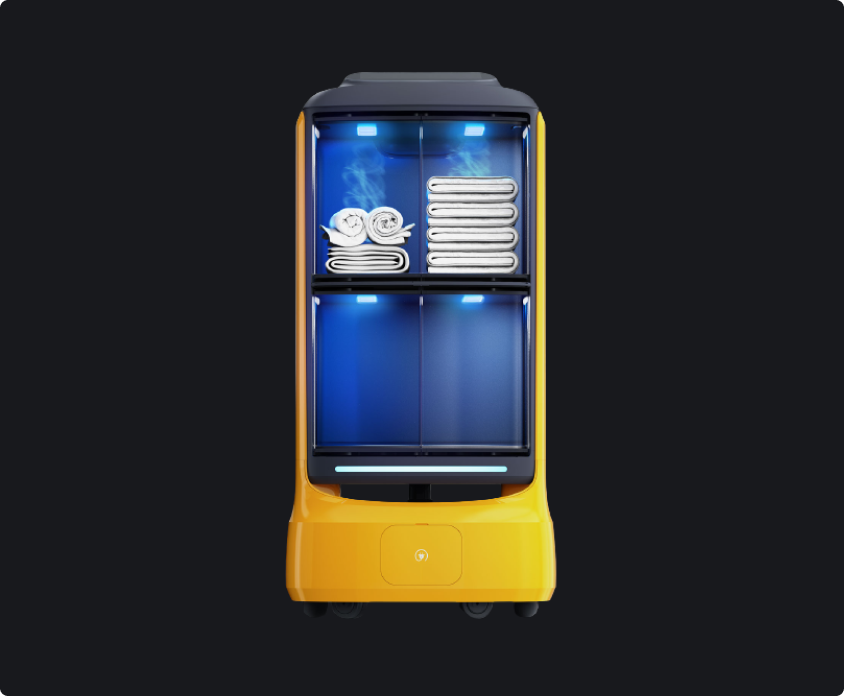
Room delivery robot with large and disinfecting storage.
1 / 5
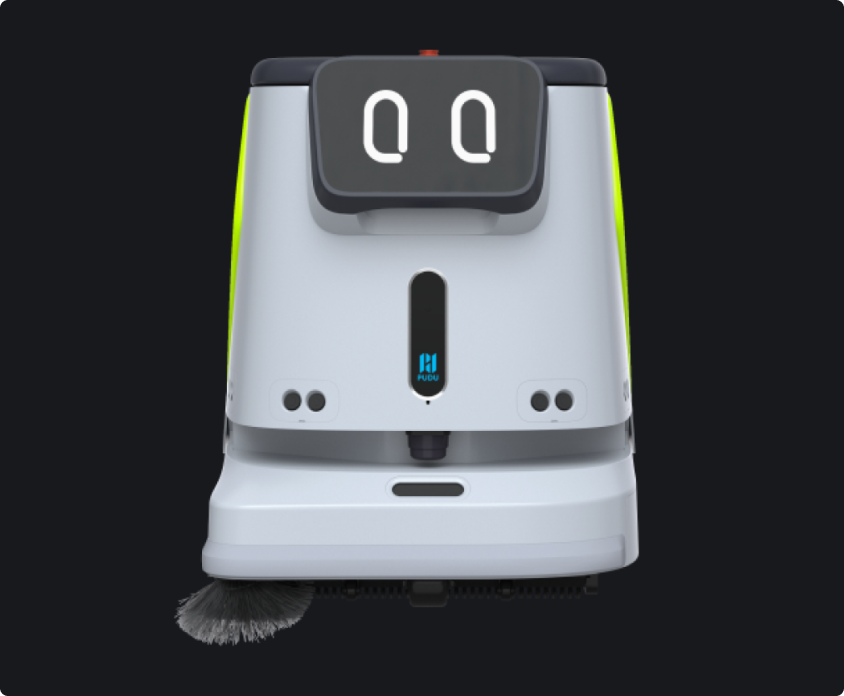
4-in-1 cleaning robot with vacuuming, sweeping, scrubbing, and mopping capability.
1 / 5
Heavy duty cleaning robot designed for large hard to clean large back of the house spaces.
1 / 5
Heavy duty delivery robot for handling large and heavy payloads up to 600kg.
1 / 5
Customer success concierge service robot to assist with customer needs.
1 / 5
1
8

With over 70% of hotels reporting that events contribute substantially to their revenue streams, the integration of robotics

With over 70% of hotels reporting that events contribute substantially to their revenue streams, the integration of robotics

With over 70% of hotels reporting that events contribute substantially to their revenue streams, the integration of robotics