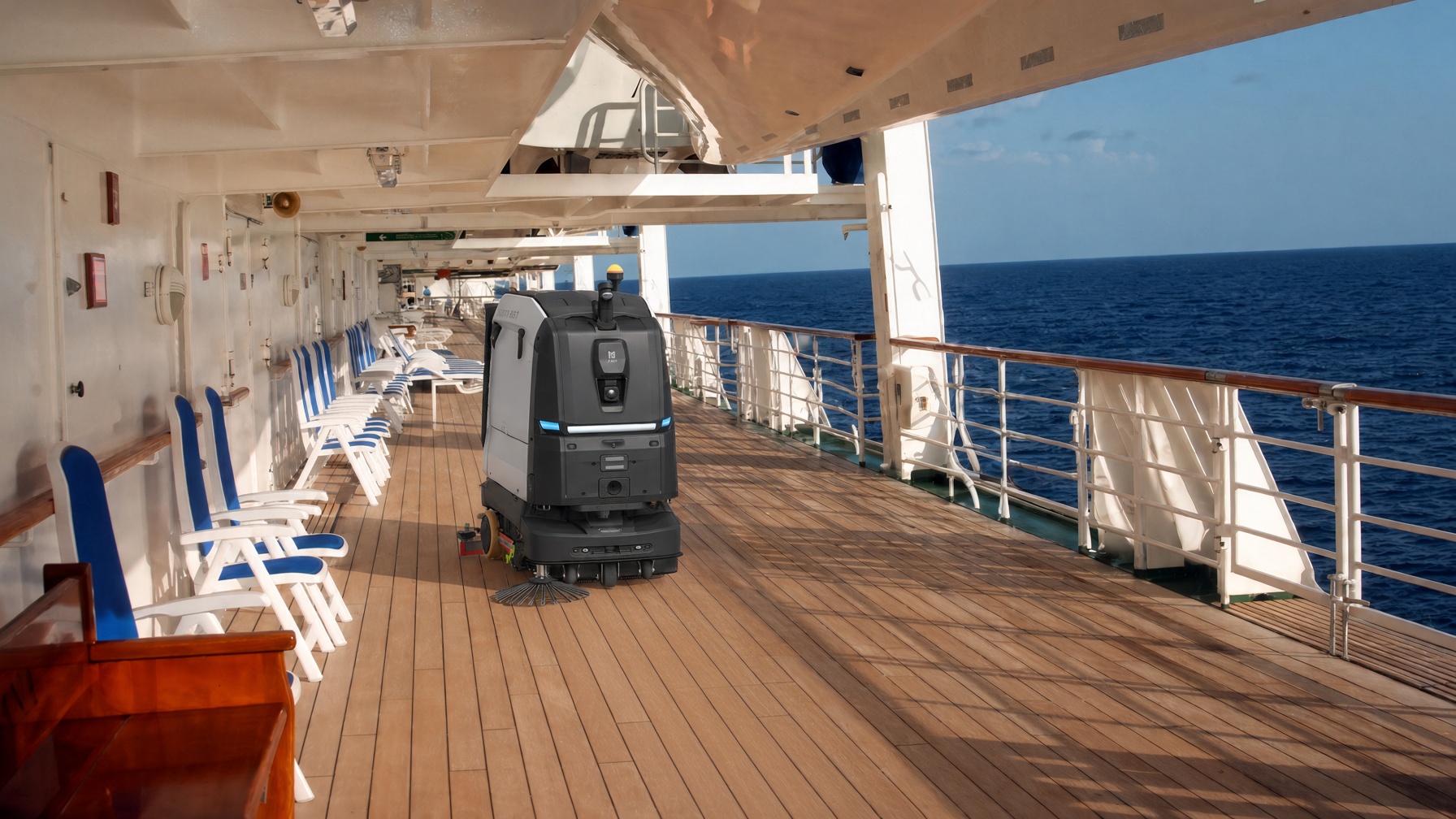
Cruise Ship Cleaning Robots: How Cruise Lines Keep Public Spaces Spotless Around the Clock
With over 70% of hotels reporting that events contribute substantially to their revenue streams, the integration of robotics
Clean floors help transportation hubs stay passenger-ready throughout the day. Autonomous cleaning robots provide consistent floor care across high-traffic areas while giving janitorial teams more capacity for specialized cleaning, quality checks, and passenger-facing needs.
Workwise benchmarks highlight two key operational outcomes: a 2–3x improvement in cleaning efficiency and 20–30% reallocation of janitorial capacity toward specialized tasks. Supporting coverage figures include up to 15,000 m² per charge for scrubbing, up to 5,000 m² per charge for sweeping or vacuuming, and 100,000+ m² of total daily coverage across multiple charge cycles. Workwise currently lists $0.37/hour as the starting cost for its Heavy-Duty Cleaning category, rather than as a universal cleaning-robot cost.
Source: Workwise Robotics data and benchmarks.
Autonomous airport and train station cleaning robots can help maintain consistent floor care while expanding the capacity of their janitorial teams. By supporting defined, repeatable cleaning workflows, robots give employees more room to focus on specialized cleaning, quality checks, and the operational situations that require human judgment.
That matters because transportation hubs operate around continuous passenger movement. Terminals, concourses, gate areas, baggage zones, and food courts experience different levels of traffic throughout the day, creating an ongoing need for floor care.
For facilities leaders, the operational challenge is maintaining a consistent standard across these changing environments while keeping employees available to respond when priorities shift. Autonomous cleaning provides another way to support that coverage.
Autonomous cleaning robots give facilities teams another way to maintain routine floor-care coverage throughout the day.
Our airport cleaning robots can sweep, scrub, vacuum, and mop, allowing one platform to support multiple floor-care workflows. Scrubbing coverage can reach up to 15,000 m² per charge, while sweeping and vacuuming can cover up to 5,000 m² per charge. Across multiple charging cycles, large facilities can achieve more than 100,000 m² of total daily coverage.
Built-in sensing helps the robot respond to changes in its environment, including spills, stains, coffee, sauces, and puddles, and adjust its cleaning path accordingly.
The outcome is a repeatable floor-care workflow that helps facilities teams improve airport cleaning efficiency while maintaining coverage across areas where passengers are constantly moving.
Consistency becomes particularly important when a transportation hub operates for most of the day.
Different terminals, concourses, gate areas, and passenger routes experience different levels of traffic. A busy food court may require very different attention from a quieter section of a terminal.
Autonomous cleaning can help standardize routine floor care across these zones. Workwise benchmarks indicate a 2–3x improvement in cleaning efficiency compared with manual cleaning workflows.
That consistency gives facilities leaders a clearer operational standard: the same defined cleaning process can be repeated across the areas and schedules where it is needed.
Source: Workwise Robotics data and benchmarks.
The value of airport floor cleaning automation extends beyond the floor itself.
When robots support defined, repeatable floor-care routes, janitorial employees can devote more time to work that requires human judgment. That can include restroom care, specialized deep cleaning, quality assurance, responding to changing conditions, and passenger-facing needs.
Imagine a supervisor noticing that a high-traffic area needs additional attention because of an unexpected passenger surge. The robot can continue its assigned route while the team adjusts priorities and responds to the situation.
This human-and-robot model keeps employees in control while expanding what the team can accomplish across a large facility. Workwise benchmarks indicate that 20–30% of janitorial capacity can be reallocated toward specialized tasks when routine floor care is supported by automation.
Source: Workwise Robotics data and benchmarks.
Airport leaders should start by mapping areas where floor-care demand is highest and where current coverage is most difficult to maintain. Identify high-traffic zones, peak passenger periods, recurring spill or debris areas, and tasks that require employees to remain physically present. Then assess where autonomous cleaning can fit into the existing workflow, with employees overseeing performance, adjusting routes, and responding to changing needs. Finish by tracking cleaning efficiency, coverage, staffing capacity, and operating costs before expanding the deployment to additional areas.
|
Metric |
Operational relevance |
|
Scrubbing coverage |
Up to 15,000 m²/charge |
|
Sweeping/vacuuming coverage |
Up to 5,000 m²/charge |
|
Total daily coverage |
100,000+ m² |
|
Cleaning efficiency |
2–3x improvement |
|
Heavy-Duty Cleaning starting cost |
$0.37/hr |
Source: Workwise Robotics data and benchmarks.
Passengers notice cleanliness even when they do not consciously think about it.
A clean terminal creates a stronger sense of readiness and care from the moment a passenger enters the facility. Consistent floor care across busy passenger areas can therefore contribute to the overall experience, particularly in environments where cleanliness is part of how travelers evaluate a transportation hub.
Workwise data associates improved airport cleaning efficiency with a 0.5–1.0 increase in passenger satisfaction scores.
For airports, that matters beyond day-to-day perception. Clean, well-maintained terminals can contribute to the experience that airports present to passengers, airlines, and other stakeholders.
Automation in airports is improving both operational efficiency and the passenger experience. Wayfinding robots in airports and stations offer another example, helping travelers navigate airports and stations with less confusion and greater confidence.
Transportation hubs cannot pause operations while cleaning catches up. Passenger flow continues, priorities change, and facilities teams need to maintain ready environments throughout the day.
Cleaning robots provide a practical way to support that continuous demand. They can handle defined floor-care workflows at scale while employees remain responsible for oversight, quality, decision-making, and changing operational needs.
For airports and transit stations, the result is greater cleaning capacity, more consistent floor care, and a stronger ability to reduce airport cleaning costs through more efficient workflows.
Your team already knows where the gaps are. See how autonomous cleaning robots can help close them.
Source: Workwise Robotics, Transportation: Transportation-hub cleaning workflows, operational efficiency, staffing capacity, passenger experience, and the role of robotics in supporting continuous operations.
Source: Workwise Robotics, Cleaning Robot: Autonomous cleaning capabilities, floor-care workflows, cleaning efficiency, coverage, and applications across transportation environments.
Source: Workwise Robotics data and benchmarks: Article-specific benchmarks for cleaning coverage, cleaning efficiency, staffing capacity, passenger satisfaction, and robot operating cost.
Learn how the best hospitality brands are using Workwise Robotics as their robotics staffing partner
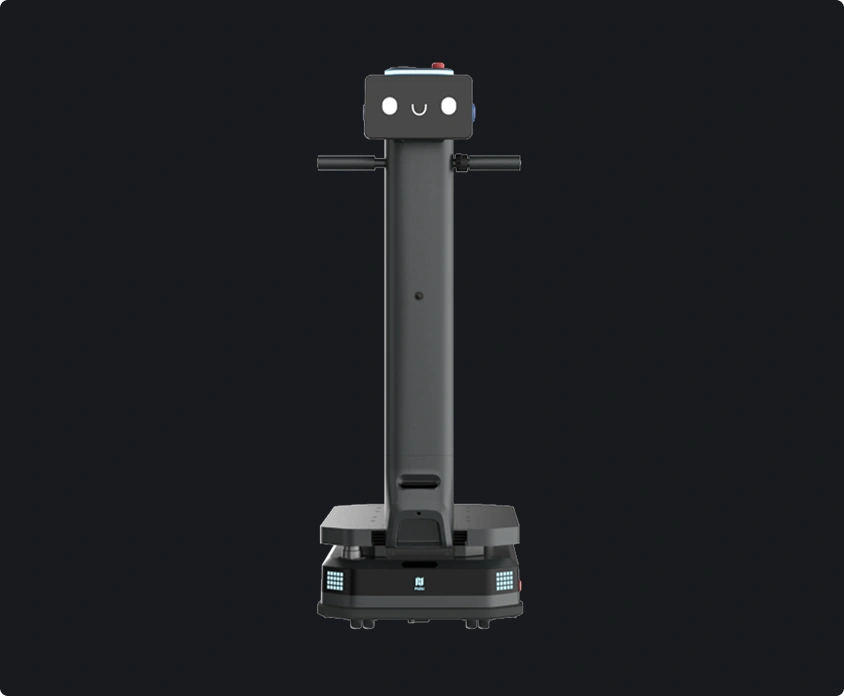
Bussing robot designed with larger storage for dishes and large items.
1 / 5
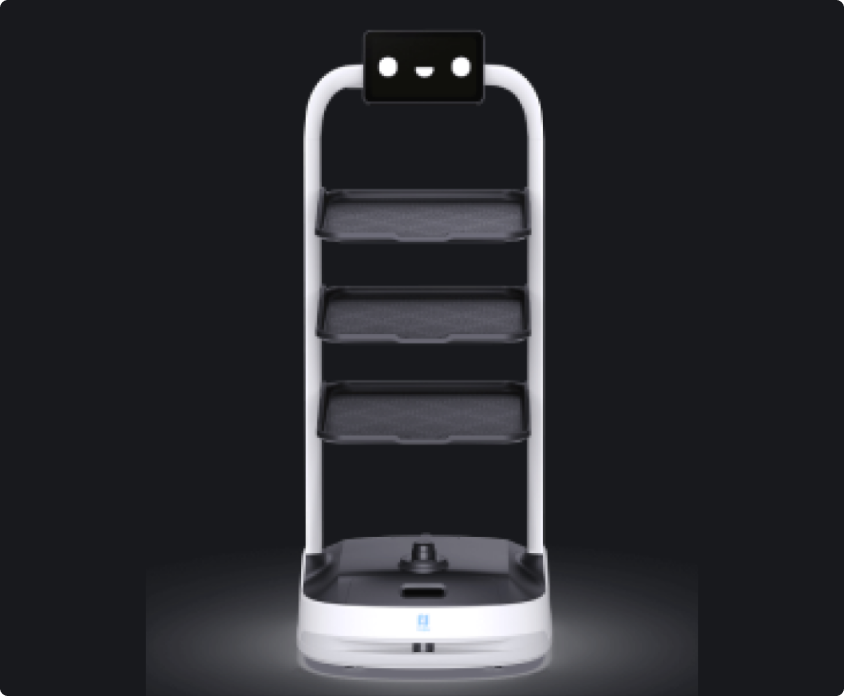
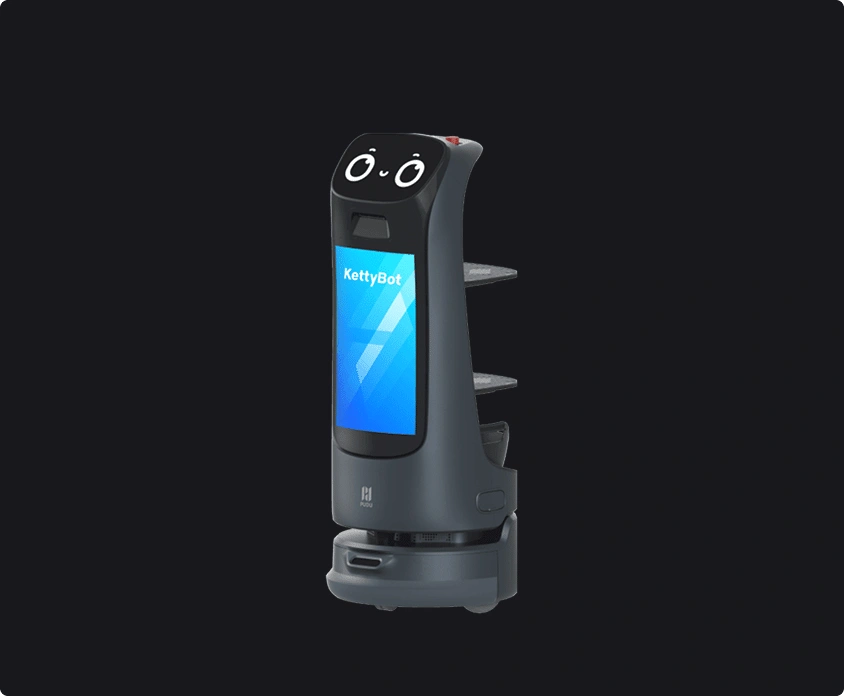
Interactive food runner designed for ordering and carting items
1 / 5
Alleviates the workload on human staff, allowing them to focus on providing exceptional customer service and attending to guests needs.
1 / 5
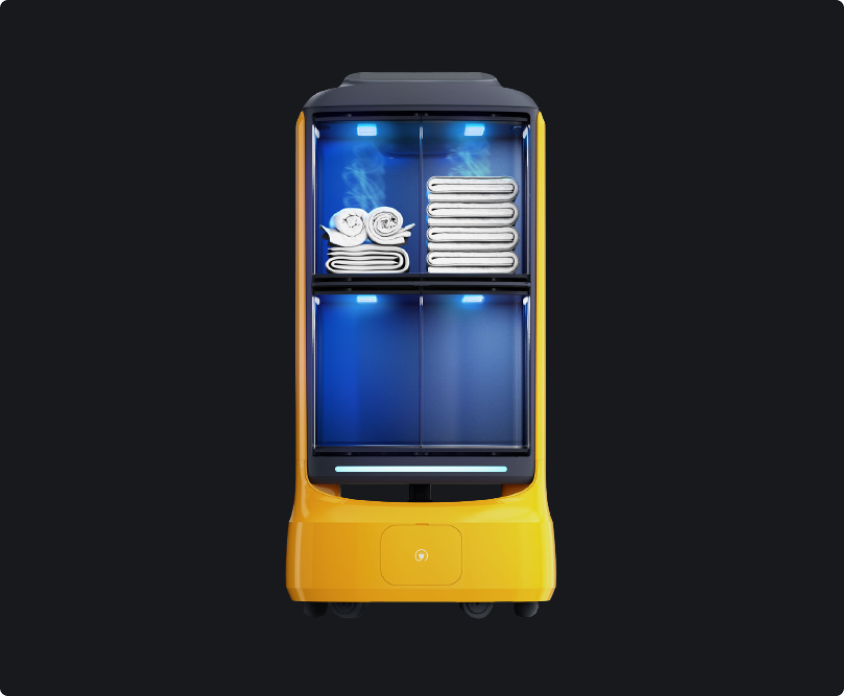
Room delivery robot with large and disinfecting storage.
1 / 5
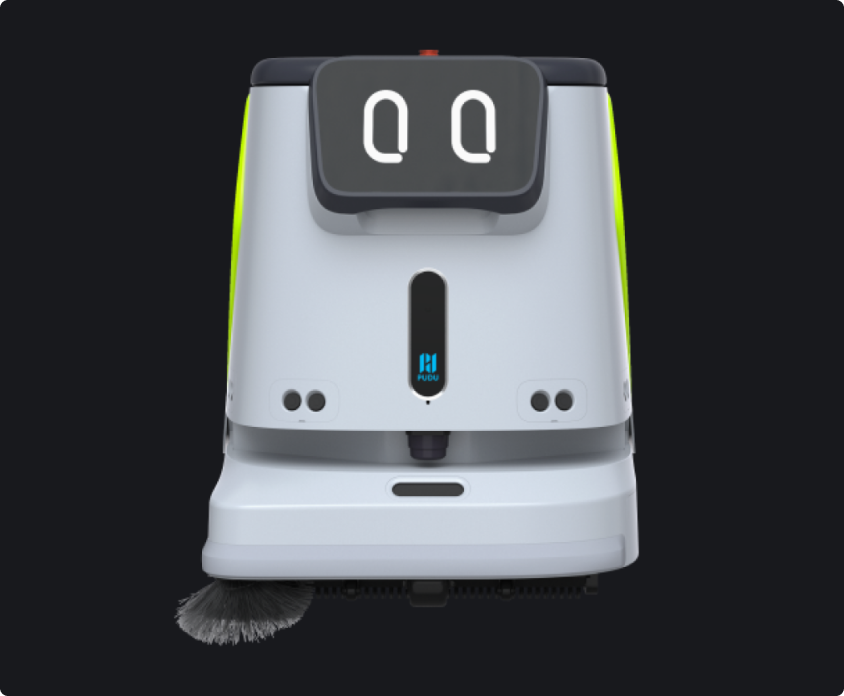
4-in-1 cleaning robot with vacuuming, sweeping, scrubbing, and mopping capability.
1 / 5
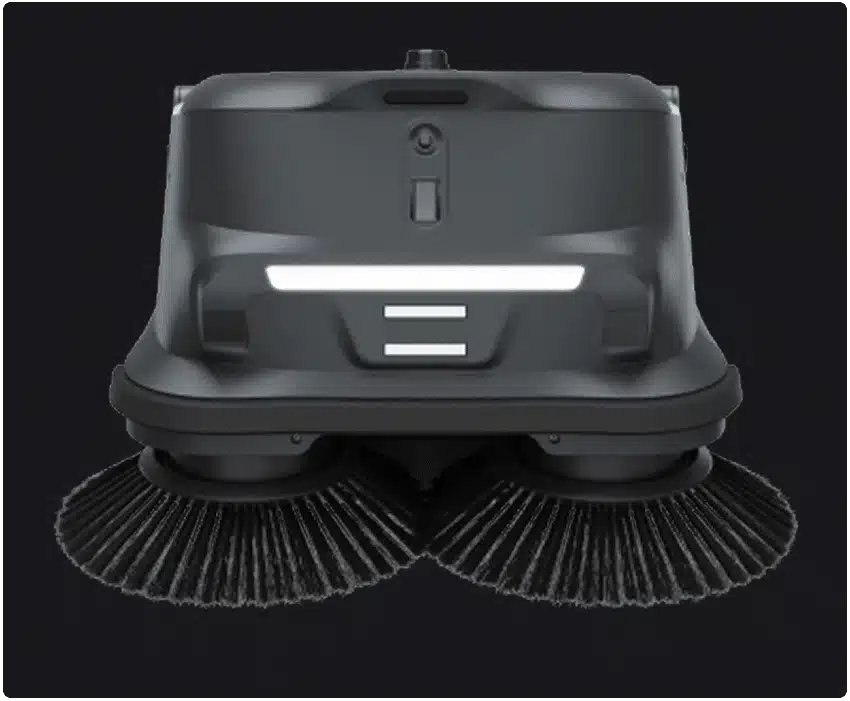
Heavy duty cleaning robot designed for large hard to clean large back of the house spaces.
1 / 5
Heavy duty delivery robot for handling large and heavy payloads up to 600kg.
1 / 5
Customer success concierge service robot to assist with customer needs.
1 / 5
1
8

With over 70% of hotels reporting that events contribute substantially to their revenue streams, the integration of robotics


With over 70% of hotels reporting that events contribute substantially to their revenue streams, the integration of robotics

With over 70% of hotels reporting that events contribute substantially to their revenue streams, the integration of robotics