Cleaner, Safer Terminals: How Cleaning Robots Support Passenger Safety

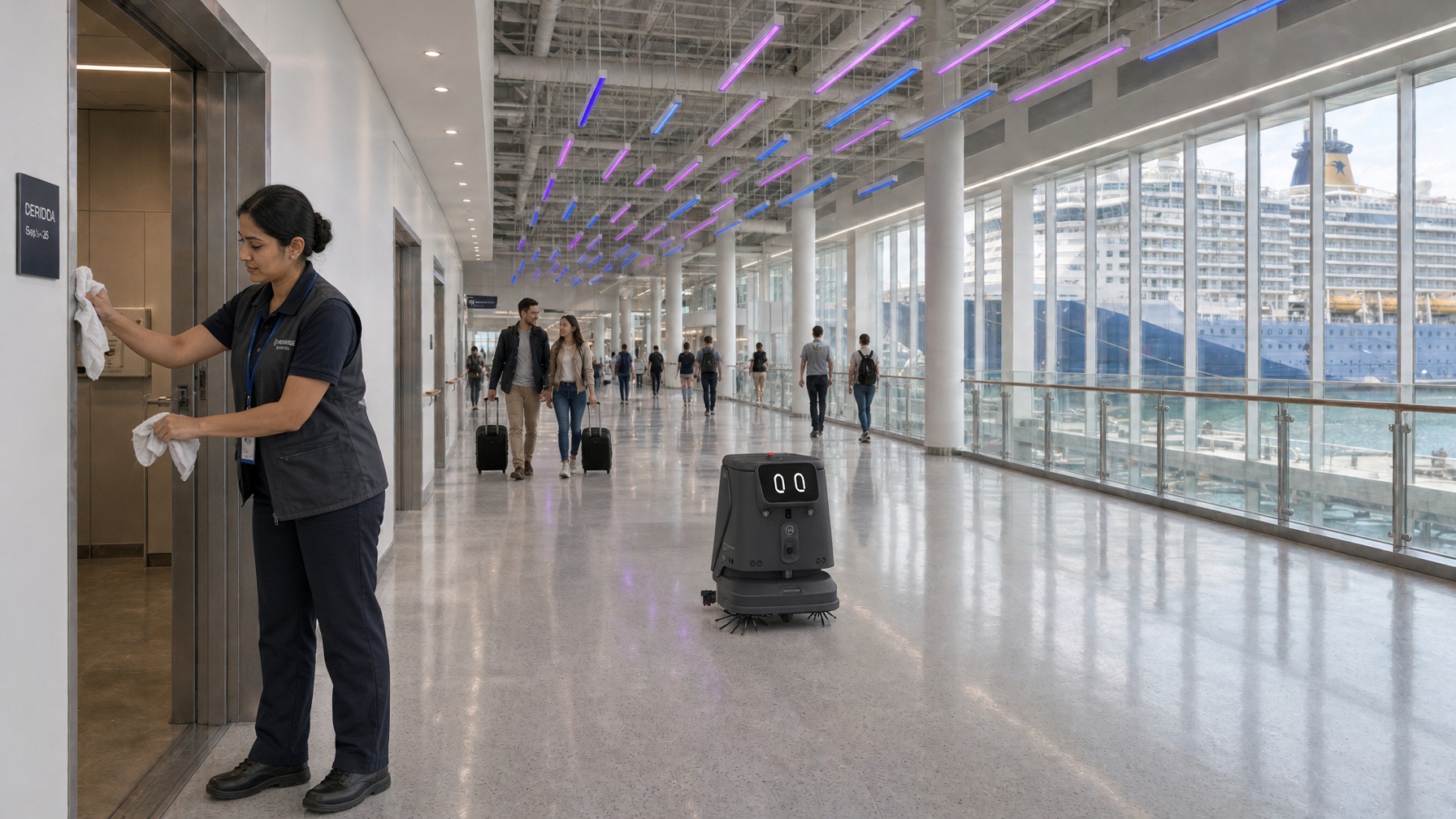
Cleaning robots help airports and train stations maintain cleaner walkways through routine floor care. Robots handle floors while staff focus on detailed cleaning, safety checks, and spills. Starting with high-traffic areas and tracking coverage supports expansion.

SHARE THIS POST

Our cleaning robots help airports and train stations maintain routine floor care across busy passenger areas. By supporting consistent coverage and freeing staff for detailed cleaning, robots help facilities teams improve efficiency and maintain cleaner, more welcoming terminals.

The Current Landscape: Improving Cleaning Coverage Across the Terminal

Continuous floor care delivers measurable outcomes for terminal operations. Our cleaning robots operate up to 18 hours a day, supporting steady coverage between scheduled cleaning rounds.

Cleaning efficiency improves 2–3x. In one transportation example, our cleaning robots increased floor coverage by 45%, which gave staff more time for restrooms and VIP areas, and bathroom cleanliness ratings rose by 0.6 points as staff were reallocated. Together, these results support cleaner walkways and stronger passenger readiness across the terminal.

Why Do Clean Walkways Matter in Train Stations and Airports?

Clean, well-maintained walkways help passengers reach gates, platforms, and connections without navigating around spills, debris, or cleaning equipment. Maintaining these spaces takes consistent attention. Rainwater at entrances, food court spills, and constant foot traffic create cleaning demands throughout the day.

For facilities directors, the challenge is maintaining safe, welcoming spaces while keeping staff available to respond when conditions change. The UK Health and Safety Executive notes that effective cleaning helps manage slip risks, while wet floors and cleaning equipment can introduce hazards of their own [1]. Timing, signage, and staff supervision therefore remain important parts of a safe cleaning routine.

How Does Continuous Floor Care Work?

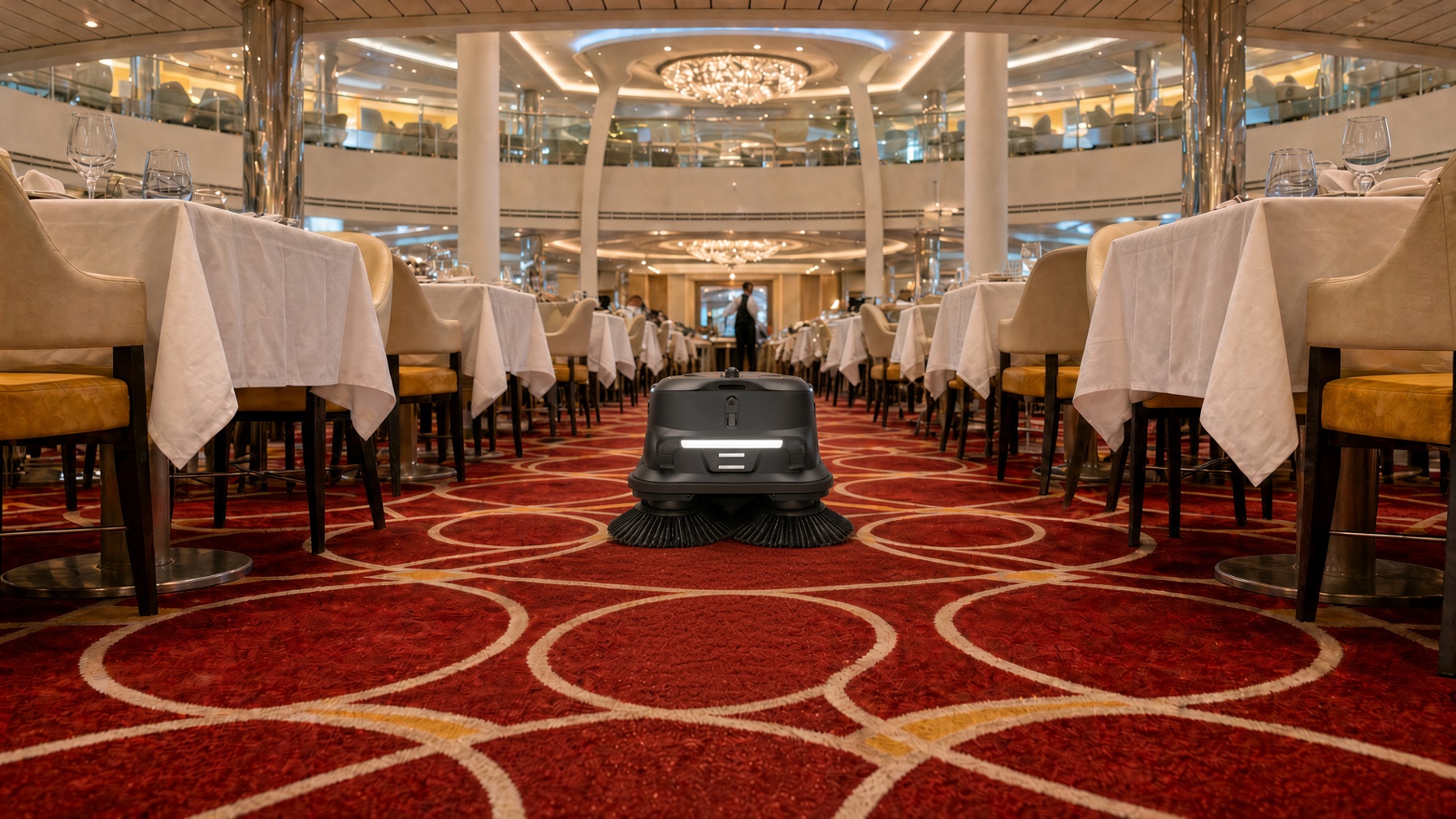
Our cleaning robots operate for up to 18 hours a day, helping maintain floor coverage between scheduled cleaning rounds. Depending on the task, they can sweep, scrub, vacuum, and mop.

Core capabilities:

  • Extended operation: Up to 18 hours daily, supporting daytime maintenance and overnight cleaning.
  • Adaptive cleaning: Built-in sensing helps robots respond to environmental changes and adjust their cleaning paths.
  • Consistent performance: Routine floor-care tasks can run across different shifts.
  • Coverage tracking: Real-time cleaning logs show where and when tasks take place.

Together, these capabilities support more efficient routines while keeping people in control of cleaning operations. Staff handle spills, place safety signage, inspect results, and carry out detailed cleaning that requires human judgment.

Supervisors can review and adjust routes as passenger flow and cleaning priorities change. The goal is to maintain routine coverage without losing the flexibility to respond to unexpected situations.

NEWSLETTER

Want to stay up to date with news and updates about our product? Subscribe.

TOP REPORT

Gain special privileges to our premium report! Unlock exclusive insights and information that are not available anywhere else.

Introducing Workwise Robotics, where cutting-edge robotics technology meets unparalleled hospitality service.

The Current Landscape: Consistent Coverage, More Staff Capacity, Cleaner Terminals

  • Continuous coverage. Our cleaning robots operate up to 18 hours a day, keeping high-traffic walkways consistently cared for.
  • Free staff for detailed work. In one transportation example, floor coverage increased by 45%, giving staff more time for restrooms, high-touch areas, and personalized passenger needs.
  • Measurable quality gains. Bathroom cleanliness ratings rose by 0.6 points at terminals that integrate our cleaning robots alongside staff reallocation.

Where Should Cleaning Robots Focus in a Terminal?

Cleaning routes should prioritize areas with heavy foot traffic and recurring dirt buildup.

Entrances and main corridors. Tracked-in dirt, rainwater, and debris make these areas priorities for routine floor care.

Food court areas. Robots can handle everyday floor cleaning while staff respond to fresh spills and other immediate concerns.

Restroom corridors. Routine floor care helps maintain surrounding walkways, while staff handle restroom cleaning and detailed hygiene tasks.

Escalator landings. These busy areas need attention, with staff handling spaces that robots cannot safely reach.

Routes should reflect passenger flow, floor types, and terminal layout. By prioritizing suitable high-traffic zones, cleaning robots help crews maintain coverage while remaining available for unexpected issues.

What Airport Leaders Should Do Next

Start by identifying where routine floor care creates the greatest demands on your facilities team across shifts. We help terminal leaders assess cleaning routes, prioritize high-traffic zones, and determine where our cleaning robots can support existing workflows. Through WorkWise Academy, facilities teams learn to manage robotic fleets and integrate them into daily operations. Request a terminal cleaning assessment to see where our cleaning robots can improve cleaning efficiency in your airport or train station and give your team more capacity for services that require a human touch.

How Do Cleaning Logs Help Teams Plan?

Our cleaning robots log tasks in real time, giving facilities teams visibility into where and when cleaning takes place.

Supervisors can review available records to see which areas received coverage and identify places that may need attention. This information helps them plan routes and schedules, coordinate work across shifts, and direct staff toward restrooms, high-touch surfaces, and unexpected spills.

For facilities directors managing large teams, cleaning logs provide a clearer record of routine work. For example, if the logs show an entrance corridor missed its morning pass after a rainy arrival wave, the supervisor can send the robot back before the lunch rush while staff stay free for food court spills.

Continuous Floor Care at a Glance

Metric
Impact
Operating time
Up to 18 hours per day
Cleaning efficiency
2–3× improvement
Floor coverage
45% increase in a published example
Bathroom cleanliness ratings
0.6-point increase reported
Coverage tracking
Real-time cleaning logs

What Does Continuous Floor Care Mean for Your Team and Passengers?

Robotic floor care helps teams maintain coverage across busy terminals while giving staff more time for restrooms, high-touch areas, and passenger needs. That extra capacity shows up where passengers notice it most: in restrooms and high-touch areas, where staff can spend the time detailed cleaning needs.

For teams working to reduce airport cleaning costs, the practical goal is to maintain required coverage while using staff time and resources effectively. Routine floor care can be assigned to robots, leaving employees responsible for detailed work, inspections, and situations that require immediate attention. Read more about how airports and transit stations are using cleaning robots to maintain 24/7 passenger-ready environments.

The Path Forward

Safe, welcoming walkways require consistent attention and a cleaning plan that adapts to daily operations. Our cleaning robots support routine floor care while staff remain responsible for detailed cleaning, safety checks, and unexpected situations.

Our transportation solutions help terminal leaders explore how robotics can support cleaning efficiency and passenger readiness. We also provide installation and route-mapping assistance, technical support, and staff training. Through WorkWise Academy, facilities teams learn to operate robots, review performance data, and manage cleaning fleets across shifts. Our Robots-as-a-Service model gives facilities teams access to cleaning robots, software, maintenance, and ongoing support through one service.

Request a terminal cleaning assessment to identify where continuous floor care can improve cleaning efficiency and give your facilities team more time for the work that needs a human touch.

Source: UK Health and Safety Executive (HSE), “Cleaning”: Guidance on cleaning-related slip and trip risks, wet floors, signage, and safe cleaning practices.

Source: WorkWise Robotics, Transportation: Published transportation-sector benchmarks and examples covering cleaning efficiency, floor coverage, staff reallocation, and terminal operations.

Source: WorkWise Robotics, Cleaning Robot: Product information covering floor-care functions, navigation, operating time, and cleaning-performance reports.

Source: WorkWise Robotics, “How Cleaning Robots Improve Airport Efficiency and Passenger Readiness”: Related information on cleaning workflows and passenger readiness.

NEWSLETTER

Want to stay up to date with news and updates about our product? Subscribe.

TOP REPORT

Gain special privileges to our premium report! Unlock exclusive insights and information that are not available anywhere else.

Introducing Workwise Robotics, where cutting-edge robotics technology meets unparalleled hospitality service.

Explore our Robots

Learn how the best hospitality brands are using Workwise Robotics as their robotics staffing partner

New era of guest services

Bussing

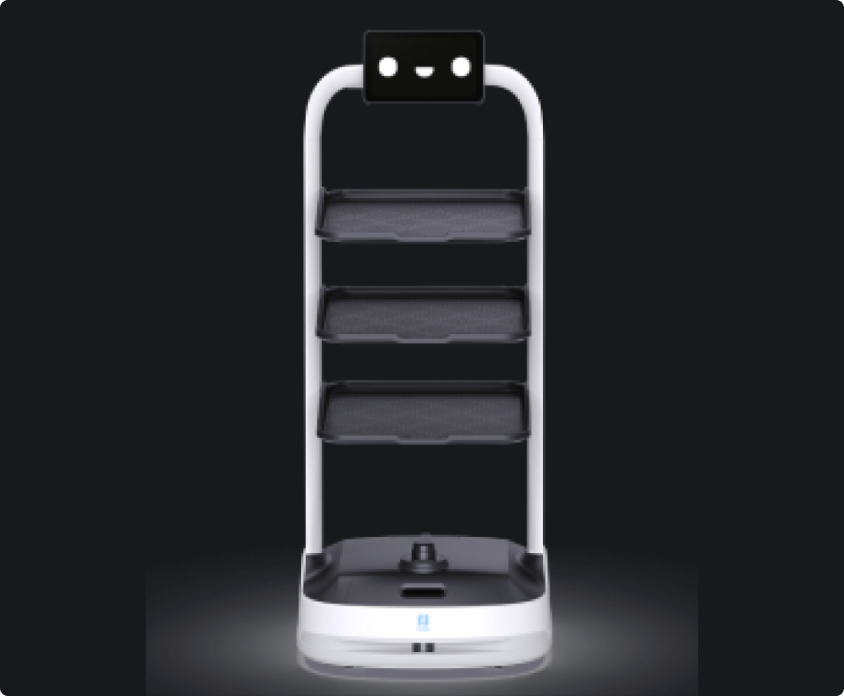
Bussing robot designed with larger storage for dishes and large items.

New era of guest services

Waiter

Interactive food runner designed for ordering and carting items

New era of guest services

Food runner

Alleviates the workload on human staff, allowing them to focus on providing exceptional customer service and attending to guests needs.

New era of guest services

Room Delivery

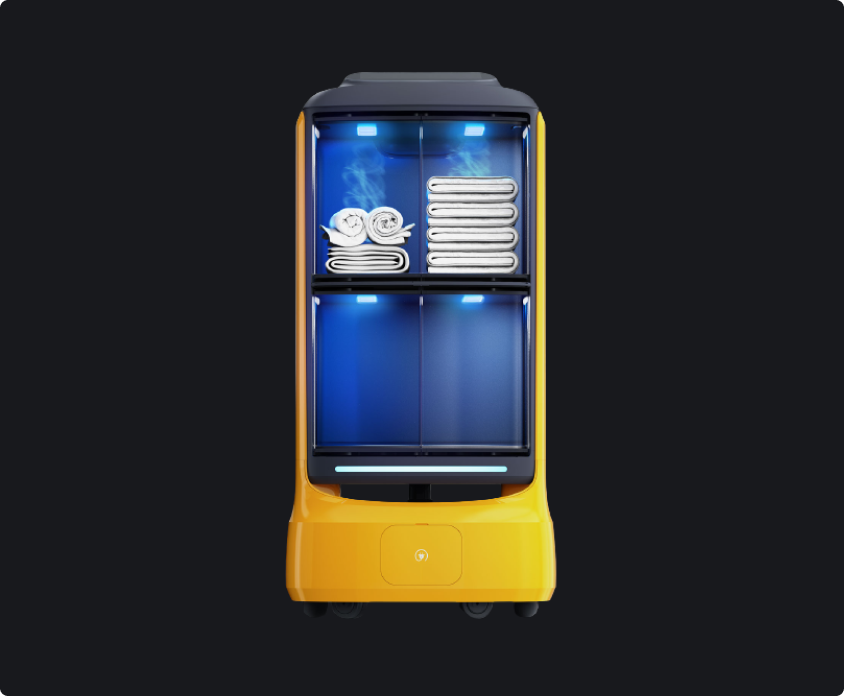
Room delivery robot with large and disinfecting storage.

New era of guest services

All Purpose Cleaning

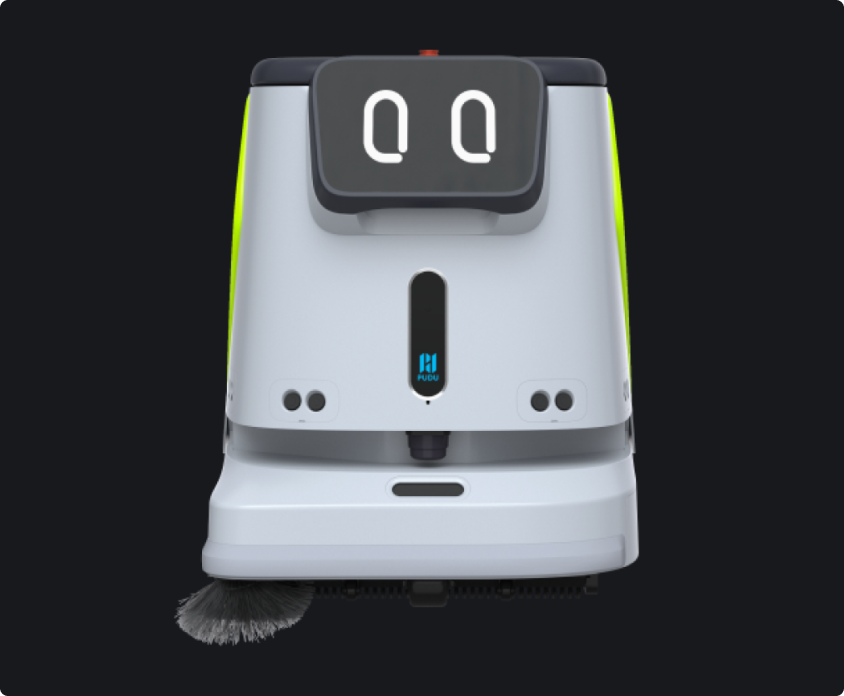
4-in-1 cleaning robot with vacuuming, sweeping, scrubbing, and mopping capability.

New era of guest services

Heavy Duty Cleaning

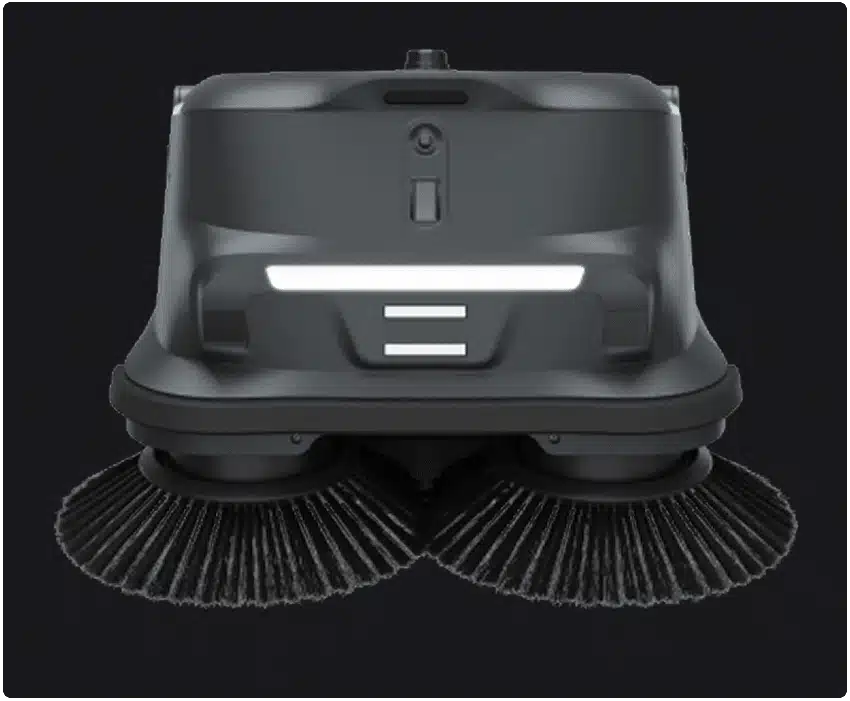
Heavy duty cleaning robot designed for large hard to clean large back of the house spaces.

New era of guest services

Cargo Distribution

Heavy duty delivery robot for handling large and heavy payloads up to 600kg.

New era of guest services

Marketing Concierge

Customer success concierge service robot to assist with customer needs.

Other related posts