How Miami-Dade Is Rethinking the Smart City Workforce
Miami-Dade is using AI and robotics to build a smarter public workforce.
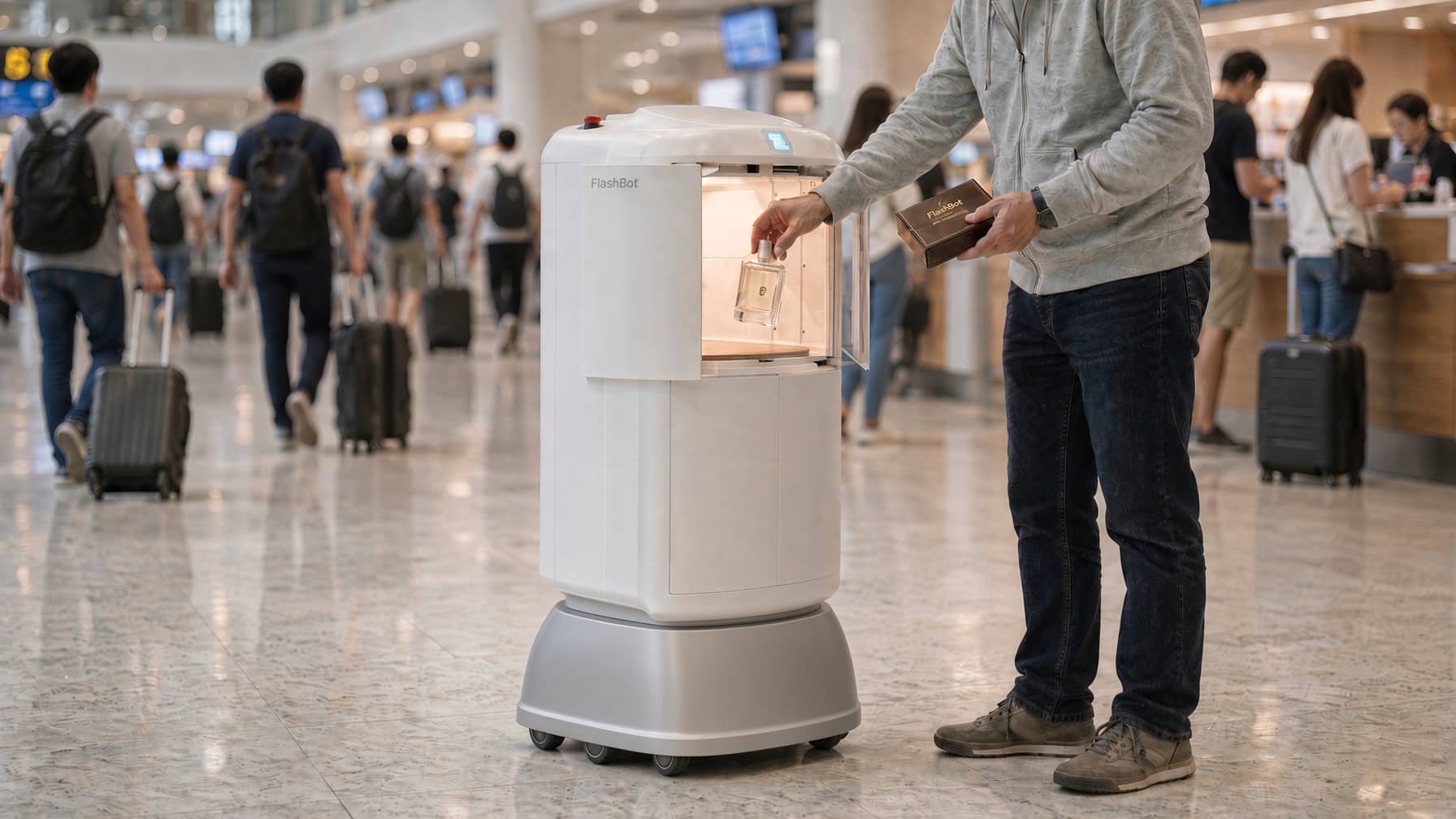
Airport delivery robots extend concession reach beyond physical storefronts. This allows operators to serve passengers at their locations, capture demand during peak travel periods, increase order capacity, and create additional opportunities to grow concession sales across the terminal.
Our benchmarks show a 25-30% uplift in concession sales when purchases are more accessible to passengers.[A] Delivery robots add order capacity and help capture more peak-period demand by bringing existing concession offerings to passengers who may not visit the store, which expands the addressable customer base and creates new ways to grow sales across the terminal.
Sources: Workwise Robotics Transportation; Workwise Robotics Delivery Robot.
Airports such as Schiphol have already tested gate-side food delivery,[C] and for concession operators it creates another way to capture demand while keeping employees focused on preparation, customer service, and other work inside the operation. Schiphol, that creates another way to capture demand while keeping employees focused on preparation, customer service, and other work inside the operation.
Instead of requiring every purchase to end with a passenger walking back through the terminal, delivery workflows can connect the concession location with the passenger’s actual location. A traveler with limited connection time can place an order and receive it where they are, while the vendor gains another opportunity to complete the sale.
For operators, the opportunity is to make purchasing easier: delivery robots bring the sale to where the passenger already is and in the process increase airport concession sales.
A delivery workflow can begin when a passenger places an order. The vendor prepares the order, then assigns a delivery robot for transport to a designated location within the terminal.
The delivery robot navigates an established route while the concession team continues managing order preparation and customer service. The passenger receives the order, and the robot returns to the designated operating area for its next assignment.
For airport operators, the value is in connecting the delivery workflow to the existing concession operation. Clear delivery zones, mapped routes, vendor coordination, and defined handoff procedures help make the system predictable and scalable.
Autonomous retail delivery to passenger locations is one of the ways we support passenger convenience across airport terminals. The delivery robot carries orders along defined routes, while concession teams stay focused on preparation and service.
Delivery robots can help concession teams move prepared orders to passengers more efficiently. This matters most when demand is highest.
By supporting the trip from the concession location to passenger location, they give vendors another way to serve passengers without requiring employees to leave their primary work area. For passengers, that can mean receiving a meal or purchase without walking through the terminal.
A passenger with a tight connection can order a meal and have it arrive before boarding, instead of choosing between the line and the flight. Meanwhile, the kitchen team keeps cooking instead of walking orders across the terminal.
Start by mapping delivery opportunities across the terminal. Identify which concession categories would benefit most from delivery, where orders could be staged, and which routes and passenger areas are practical for deployment.
Establish baseline measures for order volume, delivery time, concession traffic, passenger engagement, and existing manual work, particularly duty-free gate runs. Then pilot a focused workflow, train the teams involved, measure the results, and determine where scaling can create the strongest operational and commercial impact. Use those findings to guide expansion.
A traveler can order from a concession location without having to build an additional trip. That matters particularly during connections, where faster service saves time and gives the passenger peace of mind.
The same principle applies to forgotten items. If a passenger realizes that something was left behind at a concession store, a delivery workflow can provide a way to retrieve it faster.
Concession staff stay with the passengers in front of them while the robot handles the trip to passenger location.
When passengers can access concessions from more locations throughout the terminal, airports and vendors have more opportunities to capture purchases. Delivery also makes it easier for a passenger to add a drink or a snack from where they are, without making an extra trip to the store.
A study cited by Aviation Pros indicates that 26% of travelers would spend more if gate-side food delivery were available.[D] That is consistent with the uplift we see when purchases are more accessible. By extending the reach of concession offerings, delivery robots can help operators capture additional demand from travelers who might otherwise skip a purchase.
During boarding periods and other demand peaks, delivery robots provide an additional channel for getting prepared orders to passengers while concession teams continue their core preparation and customer service activities.
Successful deployment depends on more than placing a delivery robot in a terminal.
Airport and concession teams need to determine which vendors participate, where orders are staged, which areas are eligible for delivery, how passengers receive notifications, and how exceptions are handled.
Training gives teams clear procedures for loading, dispatching, monitoring, and completing deliveries.
This creates a workforce multiplier: robotics supports the movement between concession and passenger while employees remain available for customer-facing service.
Workwise supports this implementation process through workflow planning, mapping, training, integration, and ongoing operational support.
Retail delivery robots extend the role of airport concessions beyond the physical store.
For passengers, that means greater convenience and less pressure during time-sensitive journeys. For concession operators, it creates another channel for capturing demand. For airport teams, it provides a structured way to support more deliveries.
The outcome is that passengers get what they need without making another trip across the terminal, while concession teams serve more demand without pulling employees away from their work.
The right deployment starts by identifying where delivery can create measurable value, integrating it into existing concession operations, and then measuring the results.
Find out more about robot deployment for airport operations in Wayfinding Robots in Airports and Stations: Improve Passenger Satisfaction Right Where It Matters.
Ready to identify where terminal delivery could create measurable value?
Request a workflow assessment to map where delivery could fit your terminal and which measures to track first.
Source: A. Workwise Robotics Transportation: Concession-sales uplift, autonomous retail delivery, gate-service efficiency, and staffing reallocation.
Source: B. Workwise Robotics, Delivery Robot: Delivery workflow and autonomous transport capabilities.
Source: C. Schiphol, Gate Delivery Pilot: Launching food delivery at the gate.
Source: D. Aviation Pros: The future of airport concessions.
Learn how the best hospitality brands are using Workwise Robotics as their robotics staffing partner
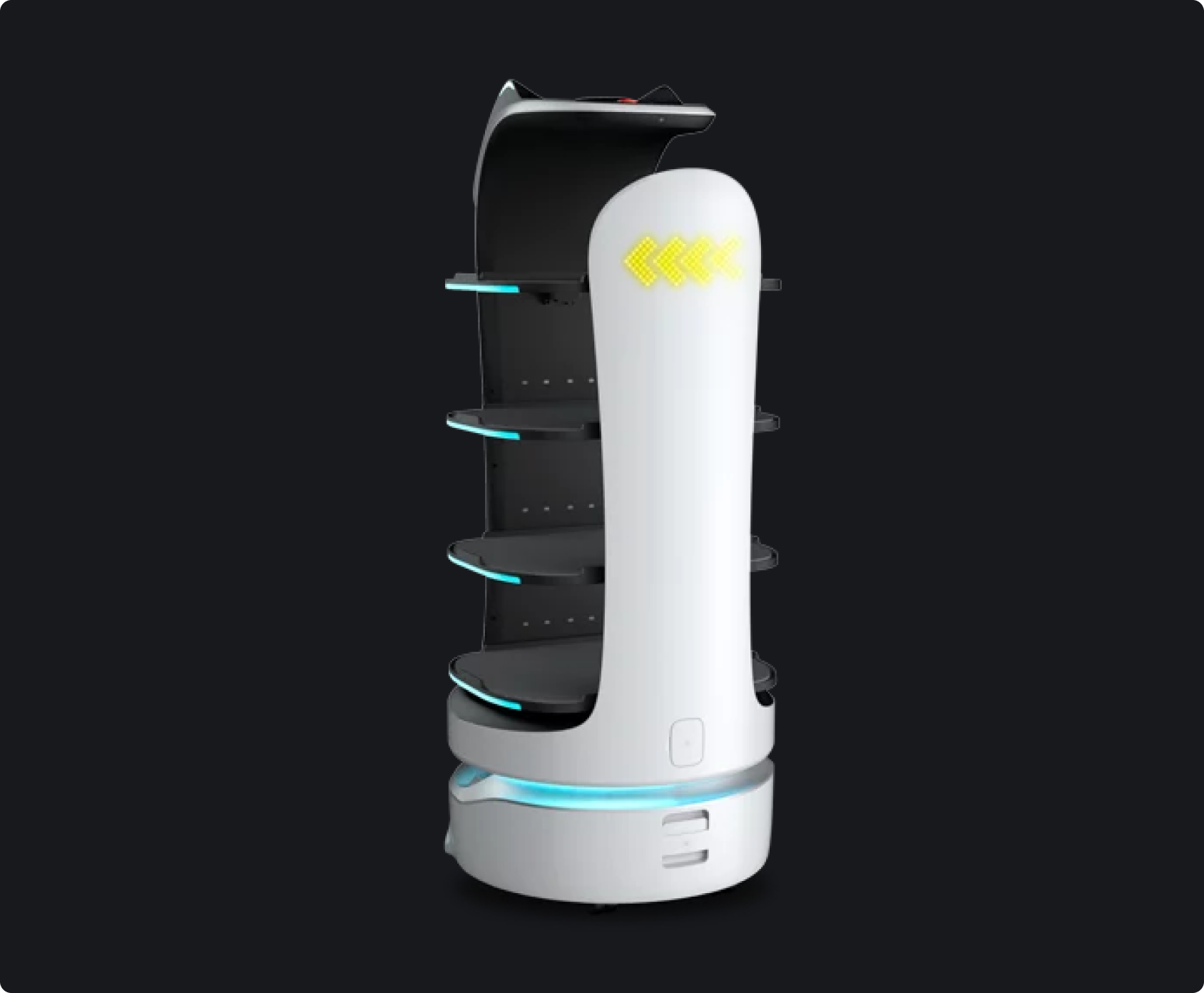
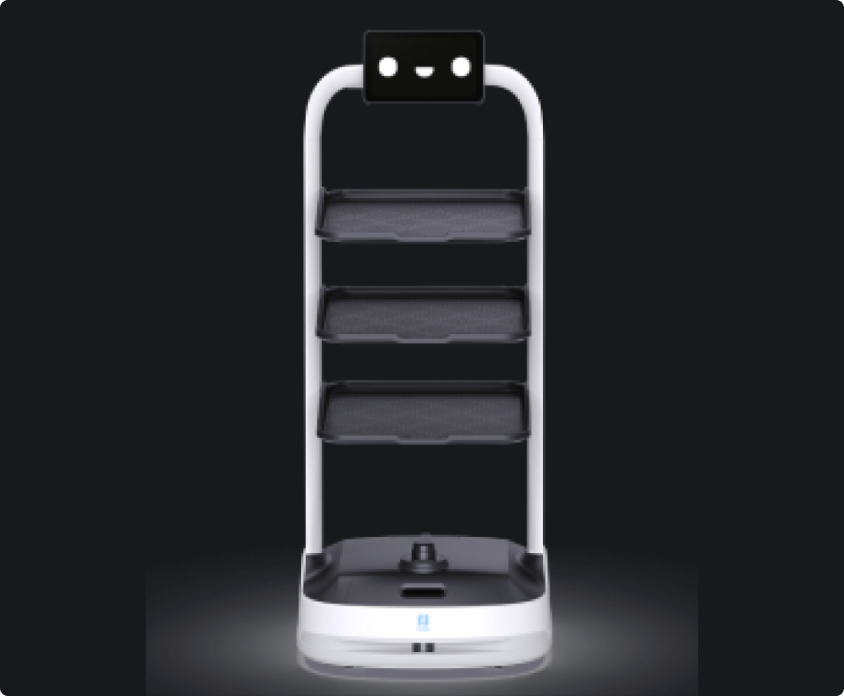
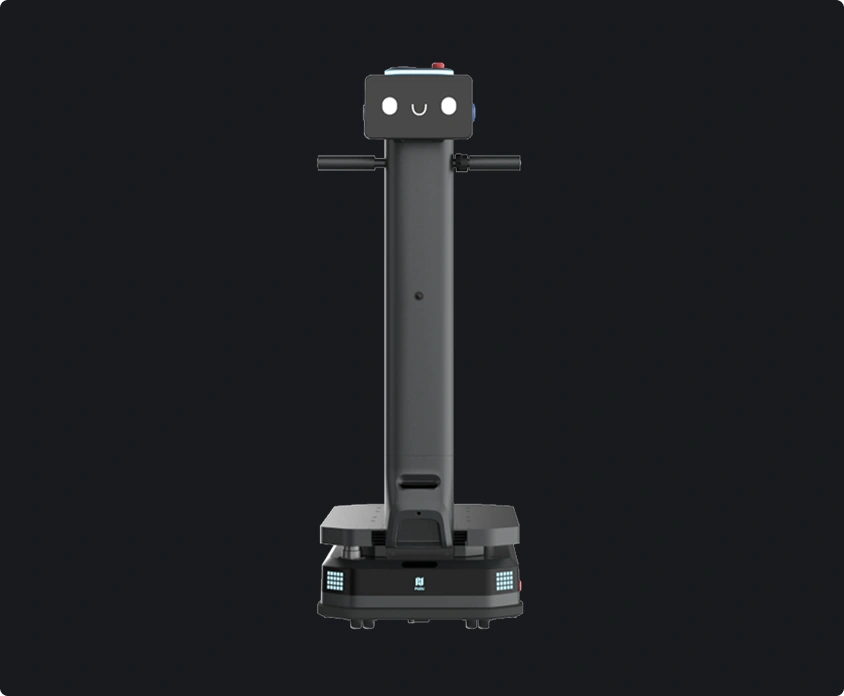
Bussing robot designed with larger storage for dishes and large items.
1 / 5
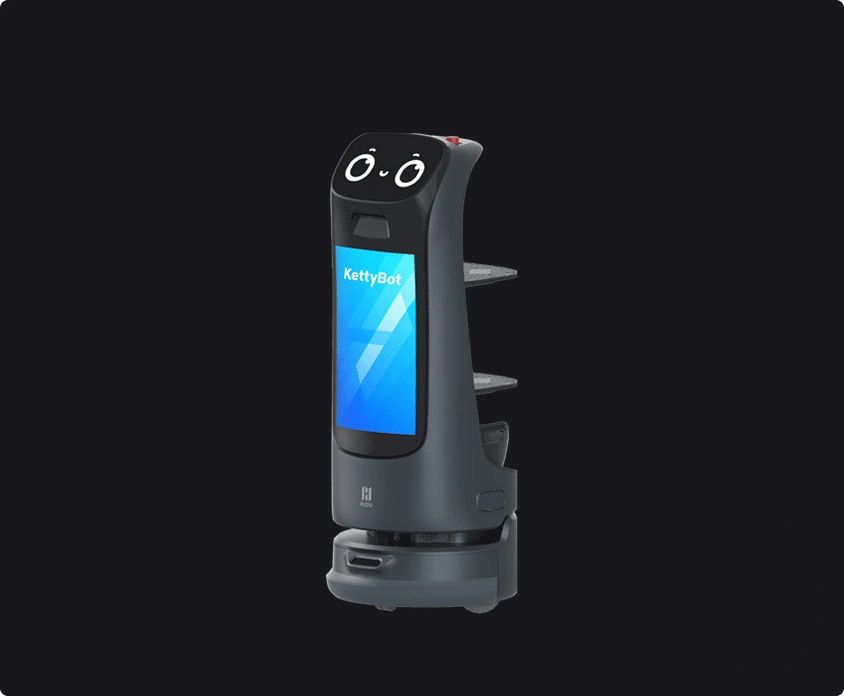
Interactive food runner designed for ordering and carting items
1 / 5
Alleviates the workload on human staff, allowing them to focus on providing exceptional customer service and attending to guests needs.
1 / 5
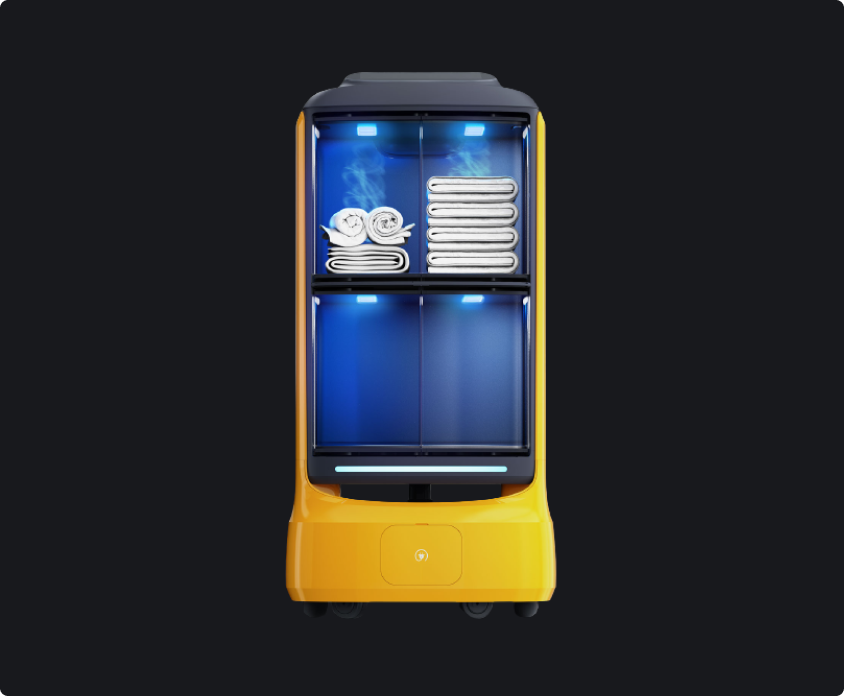
Room delivery robot with large and disinfecting storage.
1 / 5
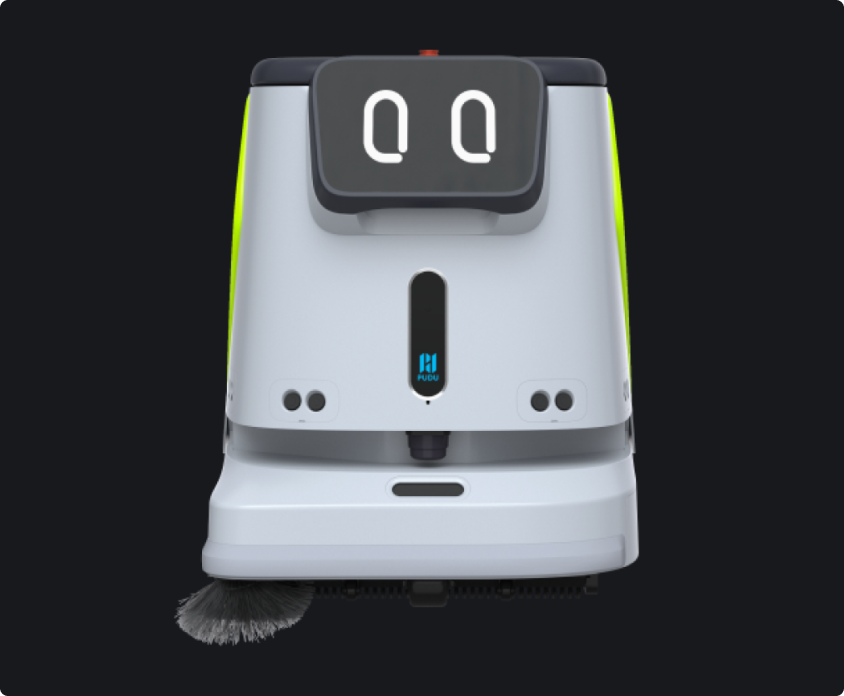
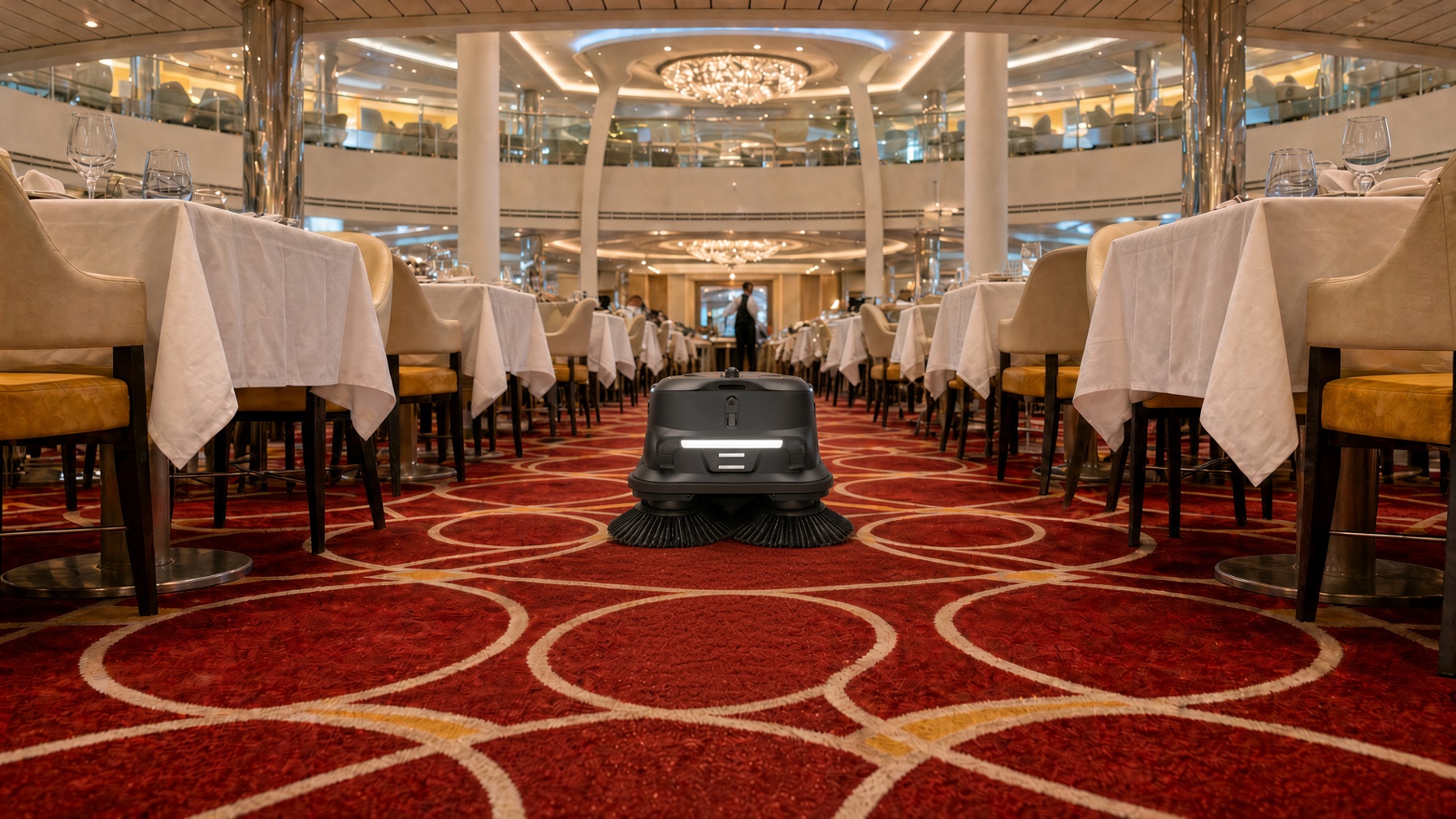
4-in-1 cleaning robot with vacuuming, sweeping, scrubbing, and mopping capability.
1 / 5
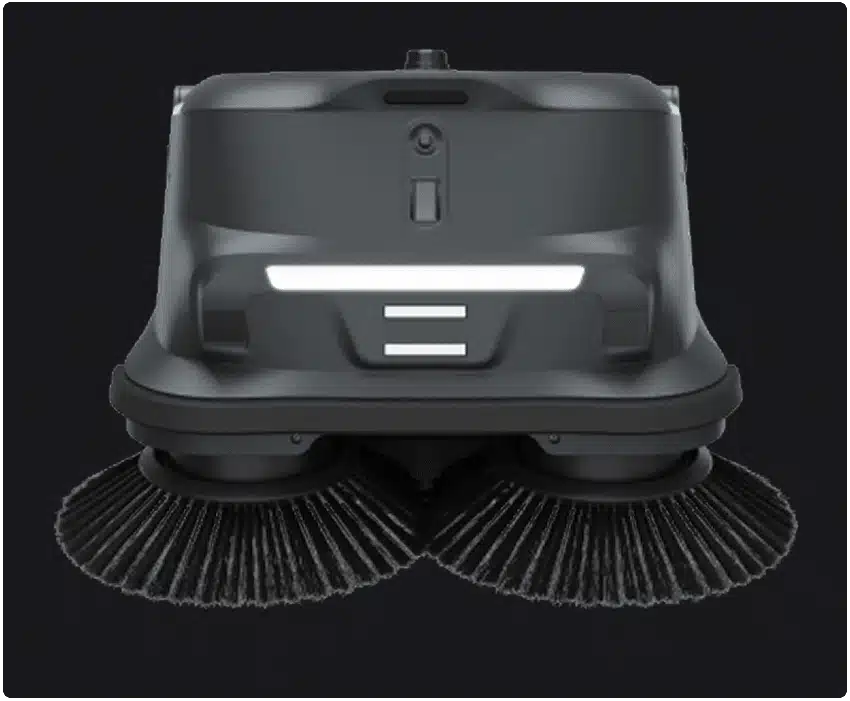
Heavy duty cleaning robot designed for large hard to clean large back of the house spaces.
1 / 5
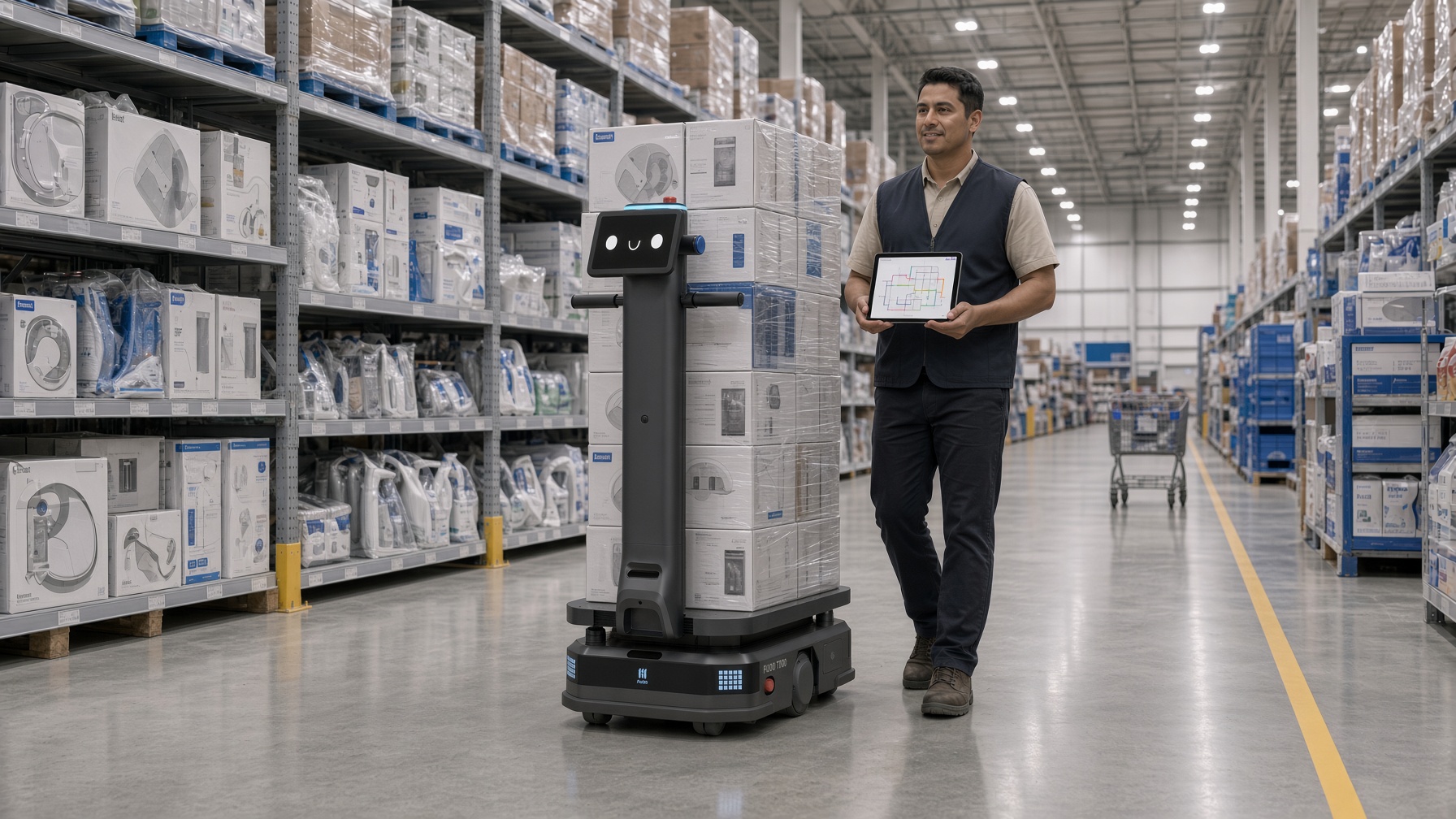
Heavy duty delivery robot for handling large and heavy payloads up to 600kg.
1 / 5
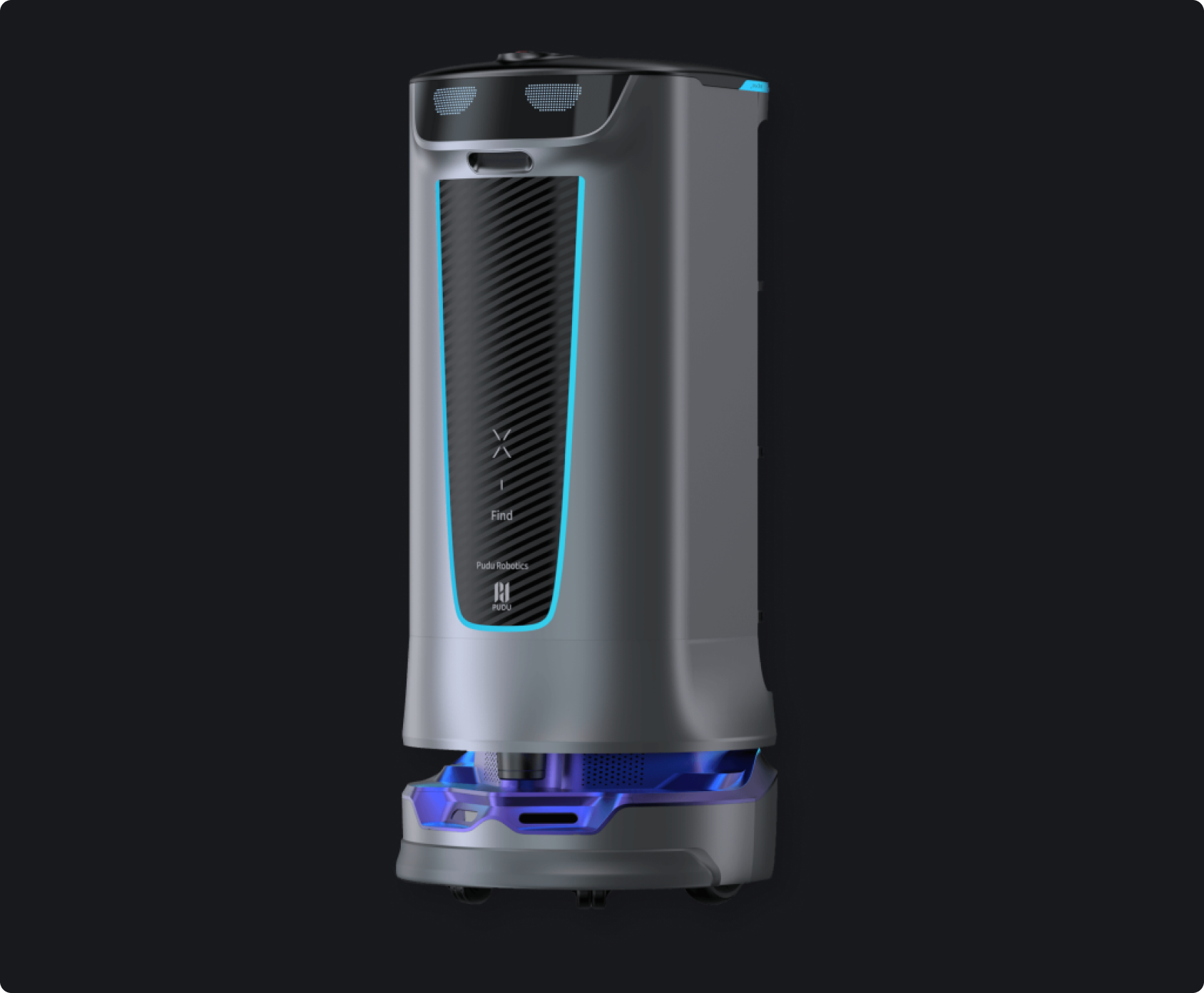
Customer success concierge service robot to assist with customer needs.
1 / 5
1
8

Miami-Dade is using AI and robotics to build a smarter public workforce.

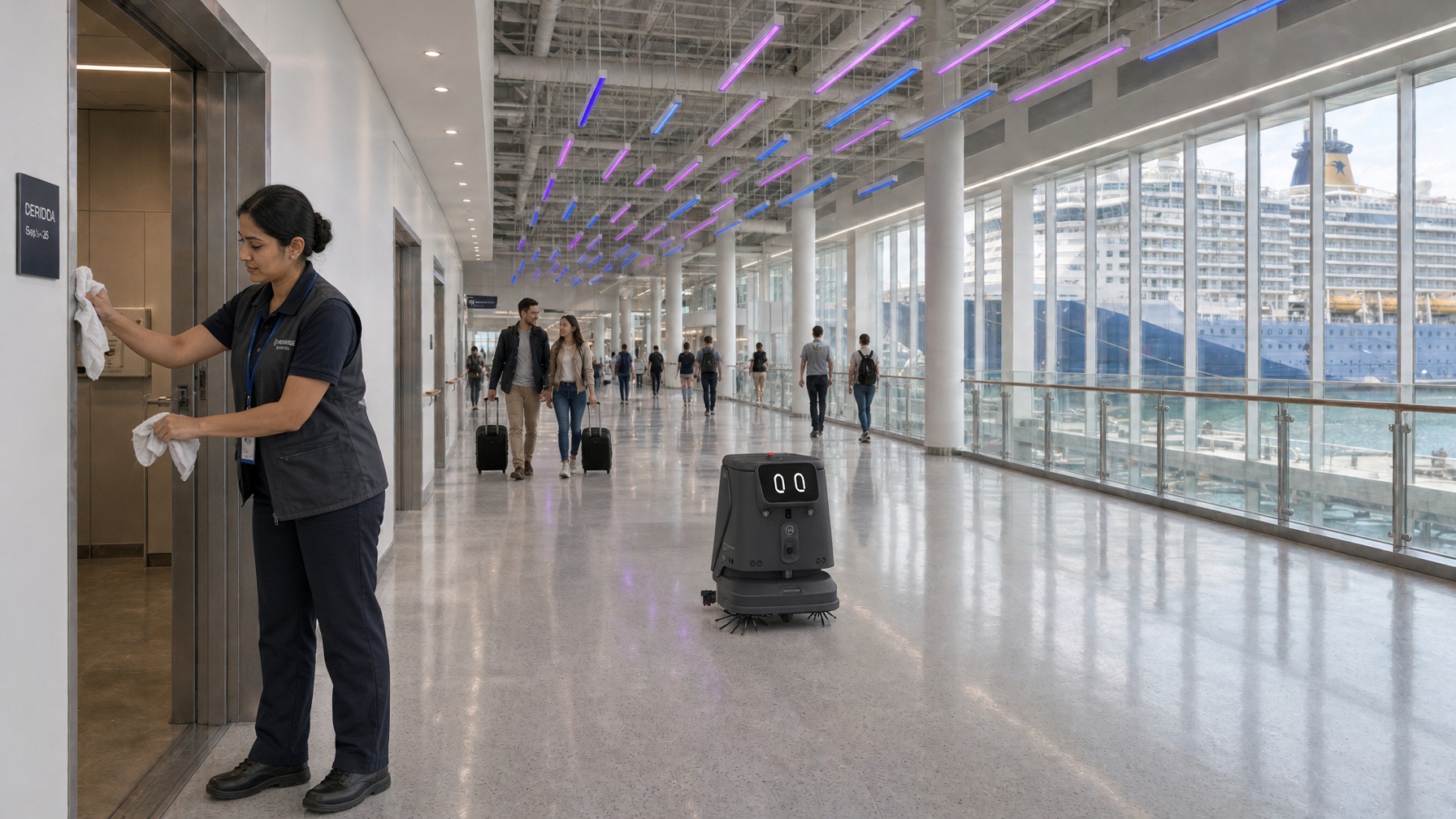
Robotics automates repetitive work while expanding frontline staff capacity.
Cleaning robots help PortMiami keep terminals clean while expanding staff capacity.