How Miami-Dade Is Rethinking the Smart City Workforce
Miami-Dade is using AI and robotics to build a smarter public workforce.
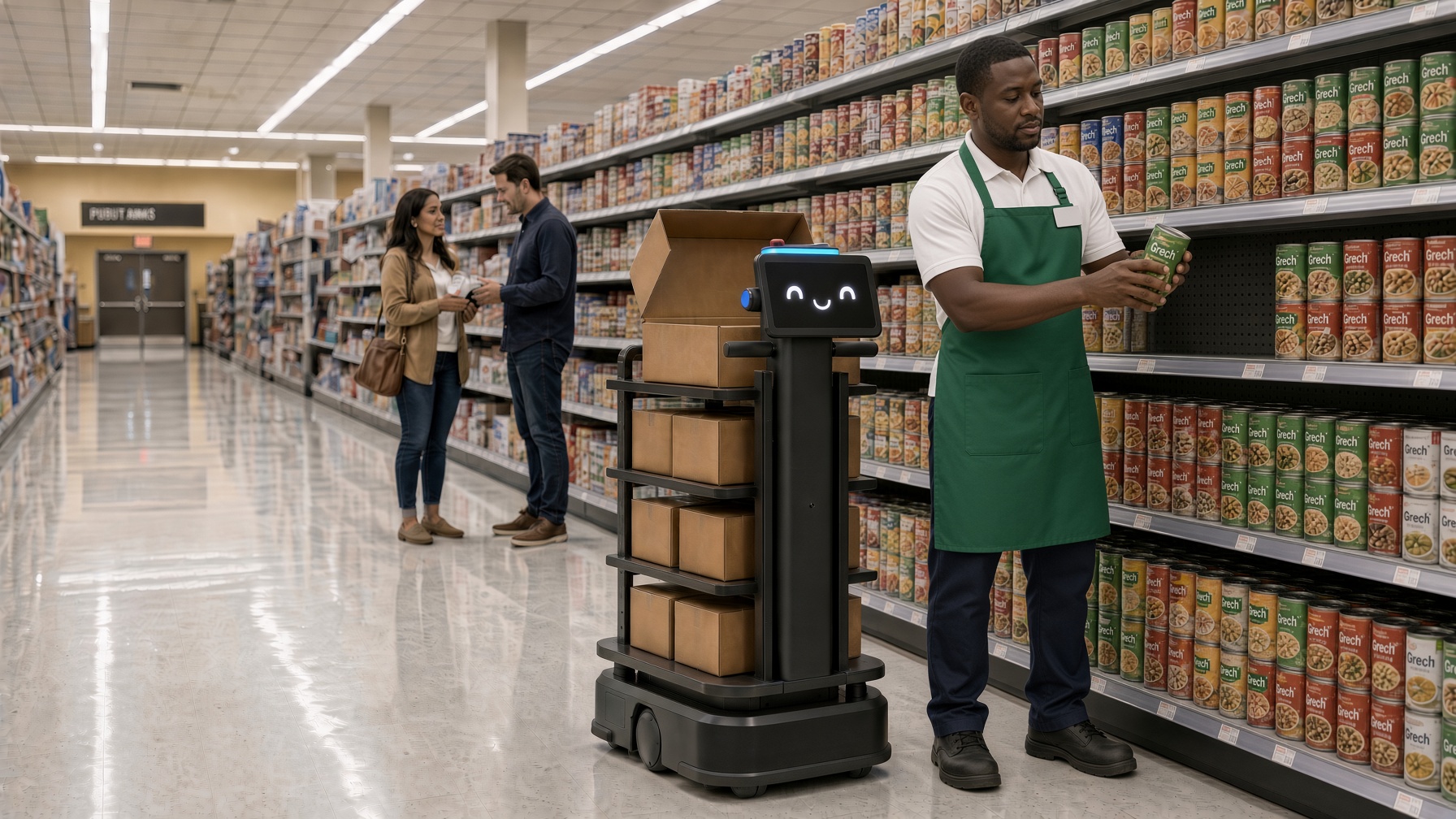
Full shelves are part of every shopper’s experience, and backroom-to-shelf replenishment is what keeps them that way. Our retail restocking robots move products from the backroom to the aisle, helping store teams keep shelves stocked while spending time helping shoppers.
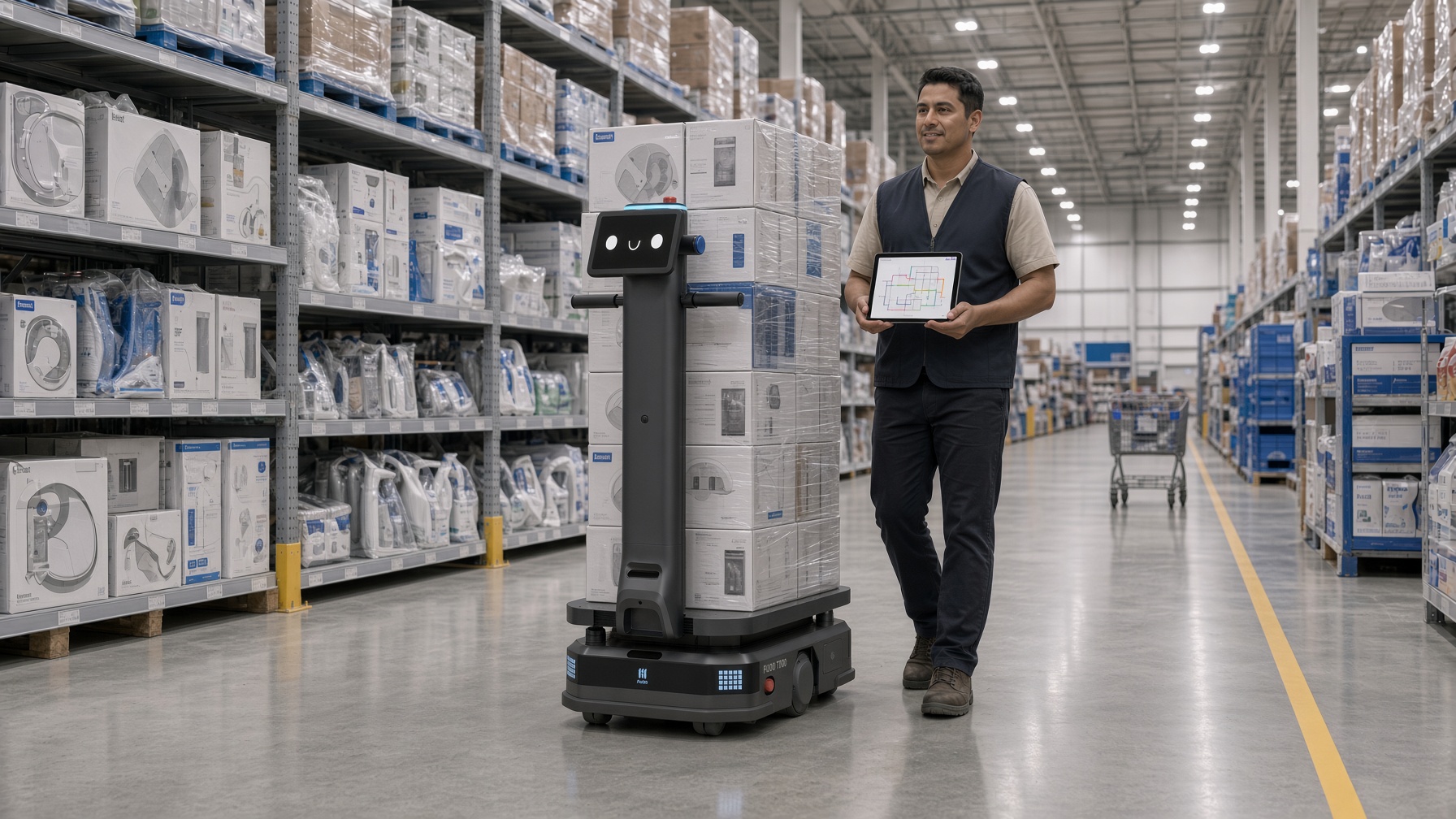
Restocking support delivers measurable outcomes for supermarket operations. Our cargo robots carry up to 1,300 lbs per trip, supporting steady replenishment throughout the day. Our retail benchmarks show a 10–20% increase in restocking speed, which supports stronger on-shelf availability, and a 20% lower labor cost per sale. Together, these results help stores keep shelves full, reduce bottlenecks, and free up teams for more customer-facing work.
Supermarkets receive daily deliveries of perishables, dry goods, and promotional inventory. Shoppers expect full shelves from open to close, and moving products from backroom to shelf quickly is what keeps on-shelf availability strong.
Today, that work often depends on associates moving heavy loads through the store between other responsibilities. Every trip to the backroom takes time away from the sales floor.
Our cargo robots take on the transport so replenishment runs on a steady rhythm throughout the day. Associates stay focused on shelf placement and presentation. The robots handle the movement in between.
The outcome: when the morning dairy delivery and a promotional display arrive together, the cases reach the aisle while associates are already setting up the shelf.
Our cargo robots help supermarkets move products from the backroom to the sales floor efficiently throughout the day.
Core capabilities:
Associates stay focused on shelf placement, product quality, and helping shoppers. The robots handle the transport between the backroom and aisle.
Store teams remain in control. They set routes, prioritize high-volume aisles, and adjust schedules based on delivery timing and shopper traffic. The robots handle the routine transport while teams handle the shelf presentation and customer interactions.
When robots handle the transport, associates spend more time on the work shoppers actually see.
Consider an associate who once spent part of every shift moving cases from the backroom to the aisle. With cargo robots handling transport, they have more time to help shoppers find specific products and check expiration dates on perishables in the dairy section.
This is what staffing capacity looks like in practice. The same team gets more time for the shoppers and shelves that need them most. It’s about enabling store teams to spend their time where it matters most.
With cargo robots covering the backroom-to-aisle trips, replenishment keeps pace with the shelf.
Faster replenishment supports on-shelf availability, which matters most when deliveries and promotional inventory arrive at the same time. Instead of juggling multiple tasks, associates can focus on getting product onto shelves.
The result is better shelf availability during busy periods, helping shoppers find the products they need while store teams keep up with replenishment demands.
A practical first step is one delivery route: map the trip from receiving to the busiest aisle and see how much associate time it returns.
Start by identifying where backroom-to-shelf transport creates the greatest demands on your store teams during peak hours. Workwise Robotics helps retail leaders assess replenishment routes, identify high-volume transport tasks, and determine where our cargo robots can support existing workflows. Through Workwise Academy, store teams learn to manage robotic fleets and integrate them into daily operations. Request a restocking workflow analysis to see how supermarket restocking automation can support faster replenishment and give your team more time on the sales floor.
Restocking robots work best as part of a wider store routine.
Our cargo robots move product from backroom to aisle throughout the day. Our cleaning robots keep high-traffic aisles consistent, supporting a store-ready environment. Together, they give teams more room to focus on shelf placement, presentation, and shoppers.
For a related look at how robots support store readiness, read our guide on How Supermarkets Are Using Autonomous Cleaning Robots to Maintain Store-Ready Floors 18 Hours a Day.
|
Metric |
Impact |
|---|---|
|
Restocking speed increase |
10–20% |
|
Labor cost per sale |
20% lower |
|
Cargo capacity |
Up to 1,300 lbs per trip |
|
Transport support |
Autonomous backroom-to-aisle movement |
|
Integration |
Works within existing workflows |
For supermarket leaders weighing restocking automation, two benchmarks frame the opportunity: faster restocking and a lower labor cost per sale.
The business case is practical: associates spend fewer hours walking cases from the backroom and more hours on shelf presentation and shoppers, which helps reduce restocking labor costs per sale while keeping shelves full.
Cargo robots help move products from the backroom to the sales floor, giving associates more time to keep shelves stocked and assist shoppers.
Workwise Robotics supports retailers with implementation, training, and ongoing support. Through Workwise Academy, existing store teams learn to manage cargo robots and integrate them into daily workflows. Our Robots-as-a-Service model aligns with operating budgets.
Request a restocking workflow analysis to see where retail restocking robots could return the most time to your team.
Source: Workwise Robotics, Retail Solutions: Supports the published figures for a 10–20% increase in restocking speed, 20% lower labor cost per sale, and cargo robots carrying loads of up to 1,300 lbs. It also describes how robotic transport can support replenishment, on-shelf availability, and associate productivity.
Source: Workwise Robotics, Heavy-Duty Cargo Robots for Big-Box Retail: Faster Restocking, Safer Teams, More Capacity: Provides additional details on the 1,300 lbs payload capacity, the 10–20% restocking-speed increase, backroom-to-floor material movement, and how cargo robots can give associates more time for merchandising and customer service.
Learn how the best hospitality brands are using Workwise Robotics as their robotics staffing partner
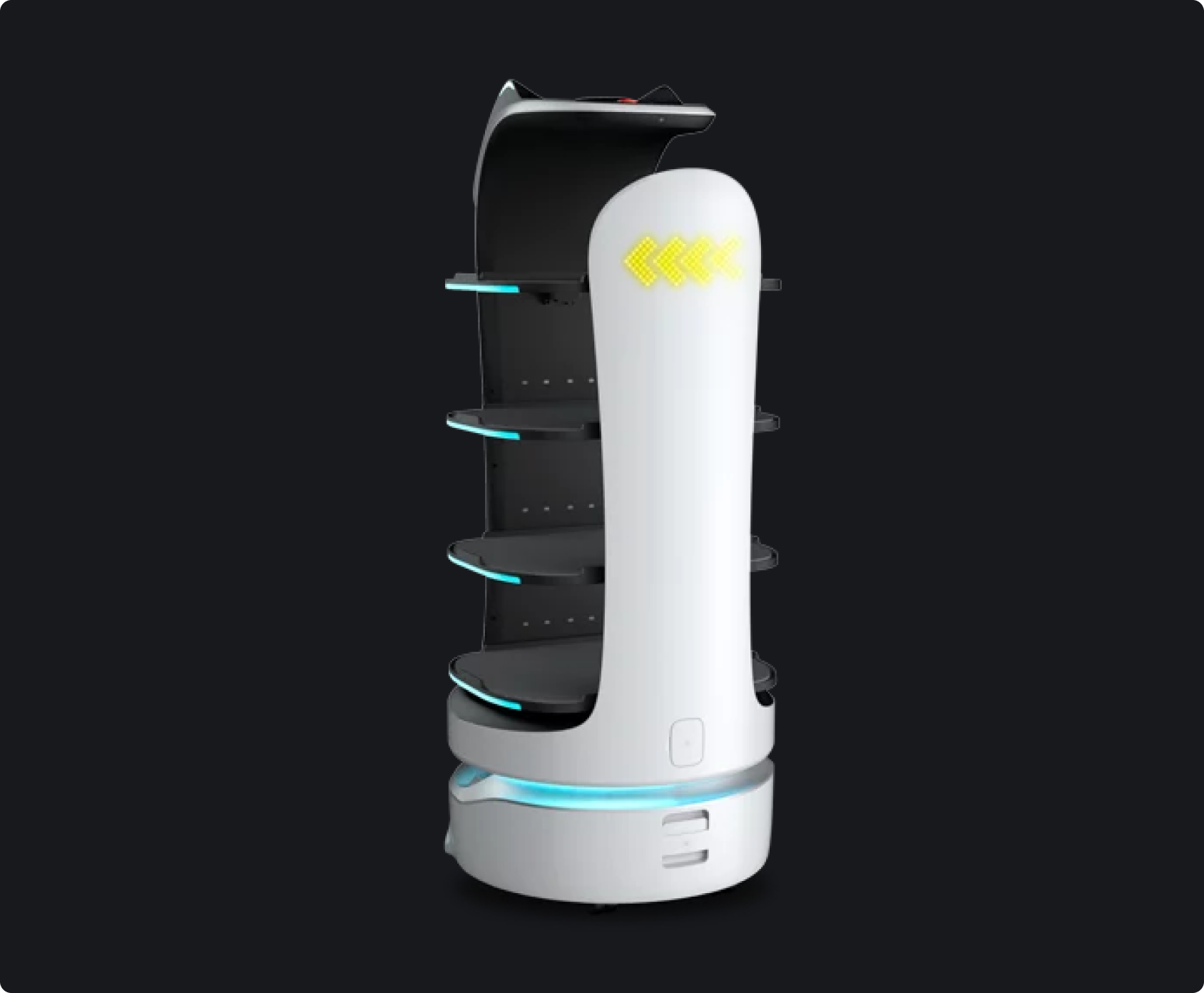
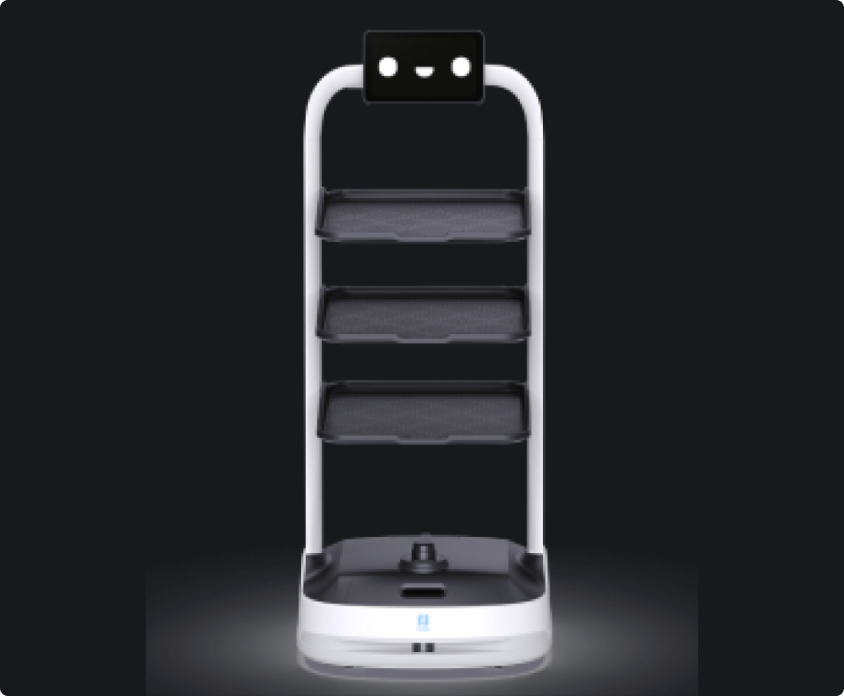
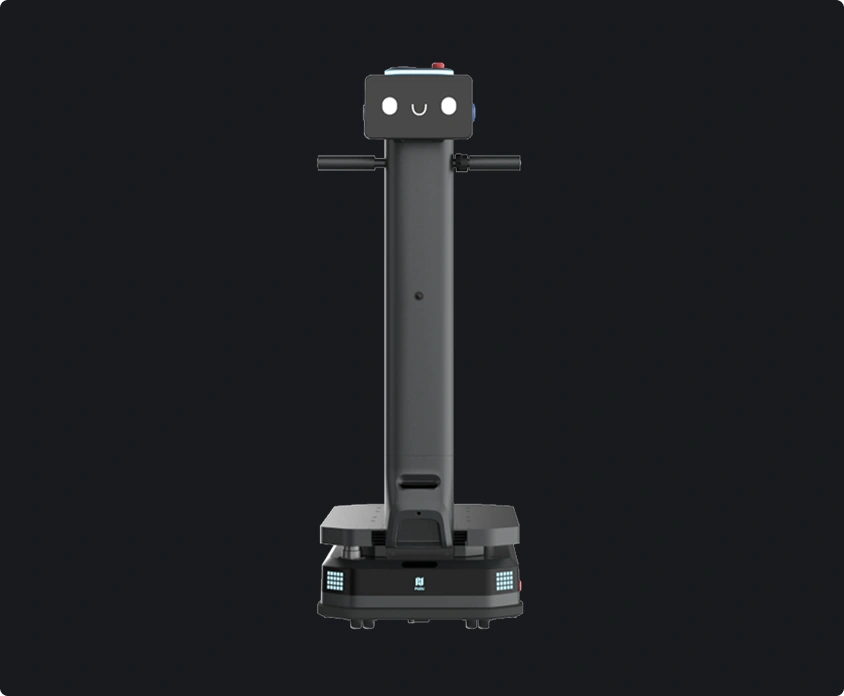
Bussing robot designed with larger storage for dishes and large items.
1 / 5
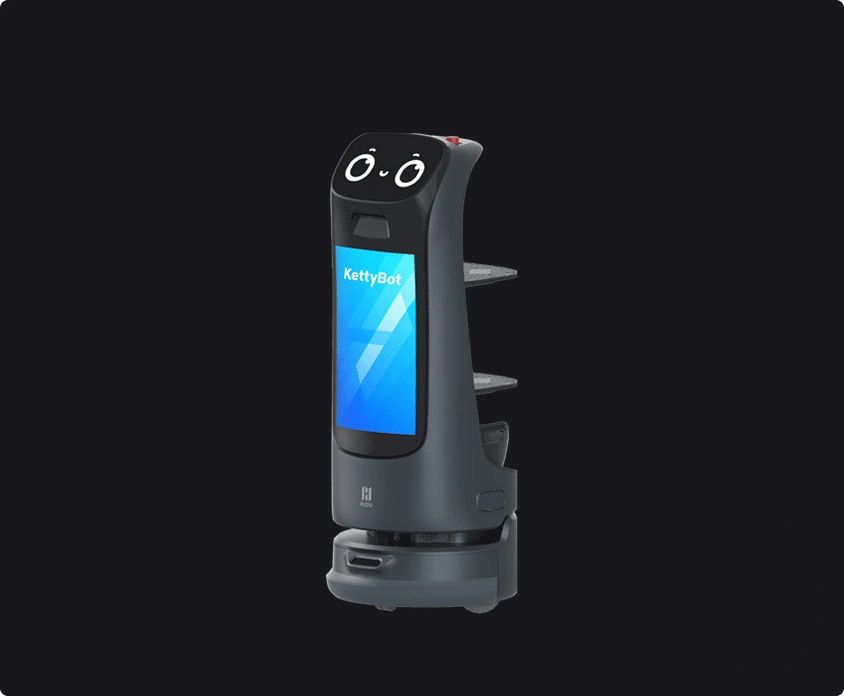
Interactive food runner designed for ordering and carting items
1 / 5
Alleviates the workload on human staff, allowing them to focus on providing exceptional customer service and attending to guests needs.
1 / 5
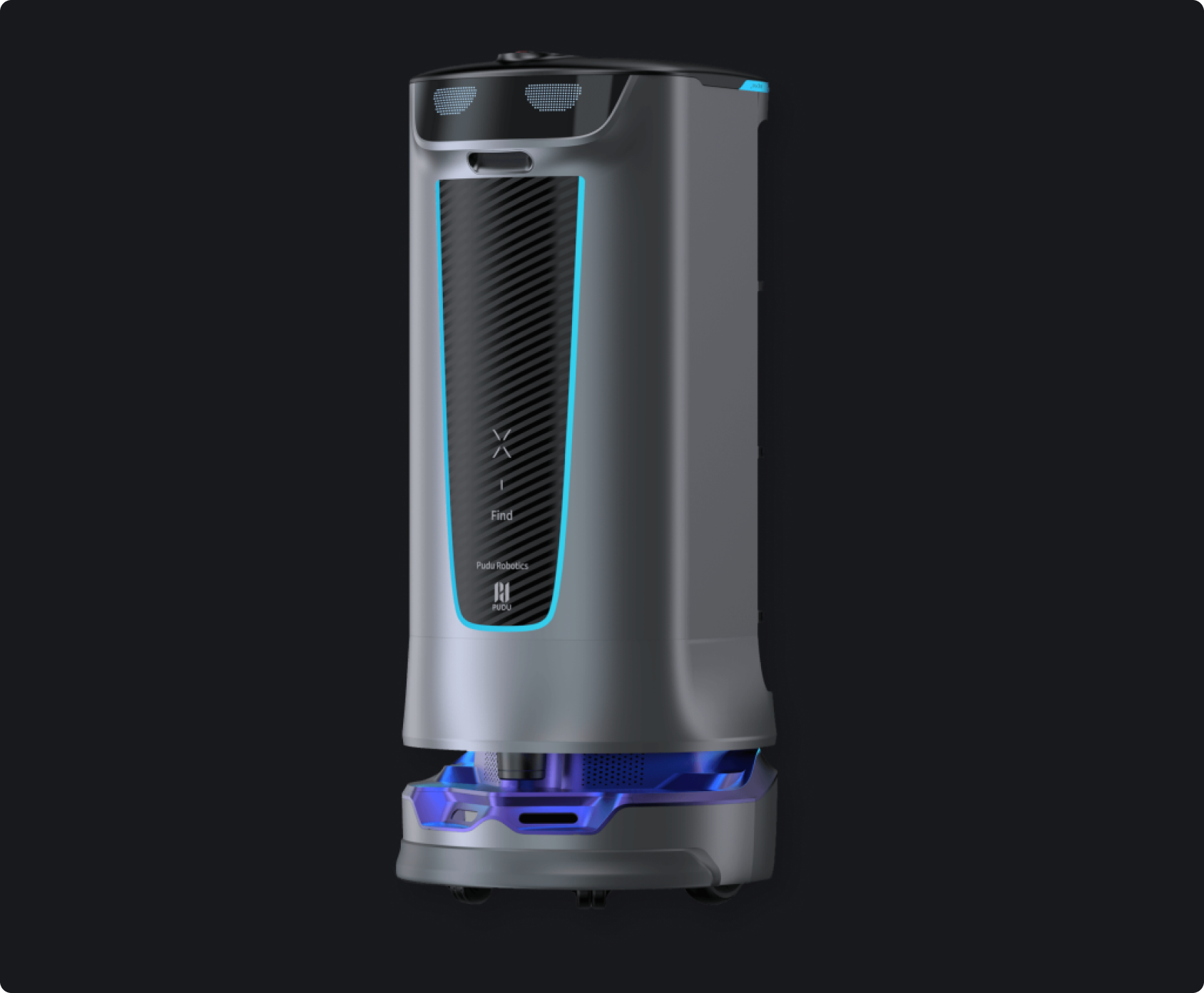
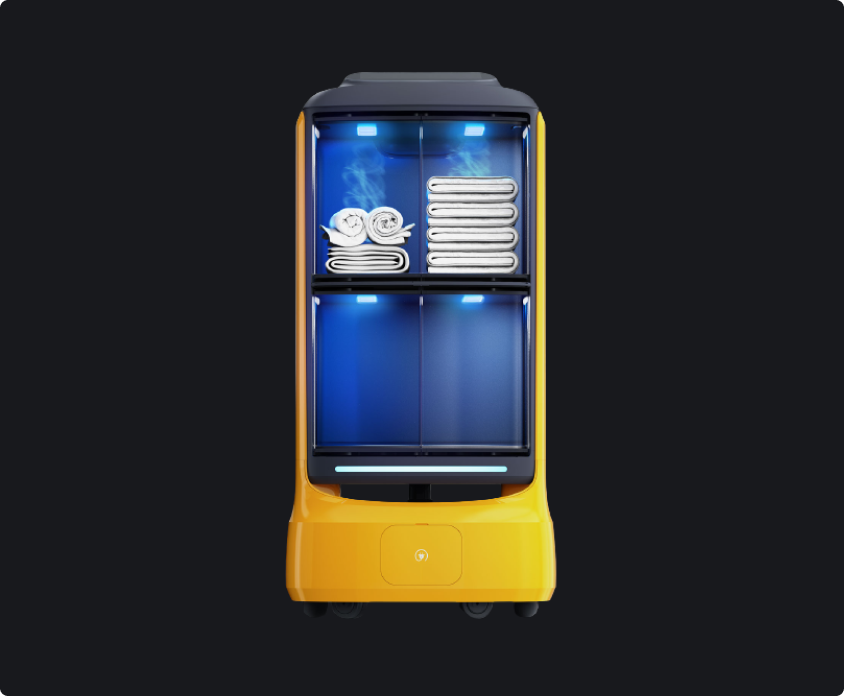
Room delivery robot with large and disinfecting storage.
1 / 5
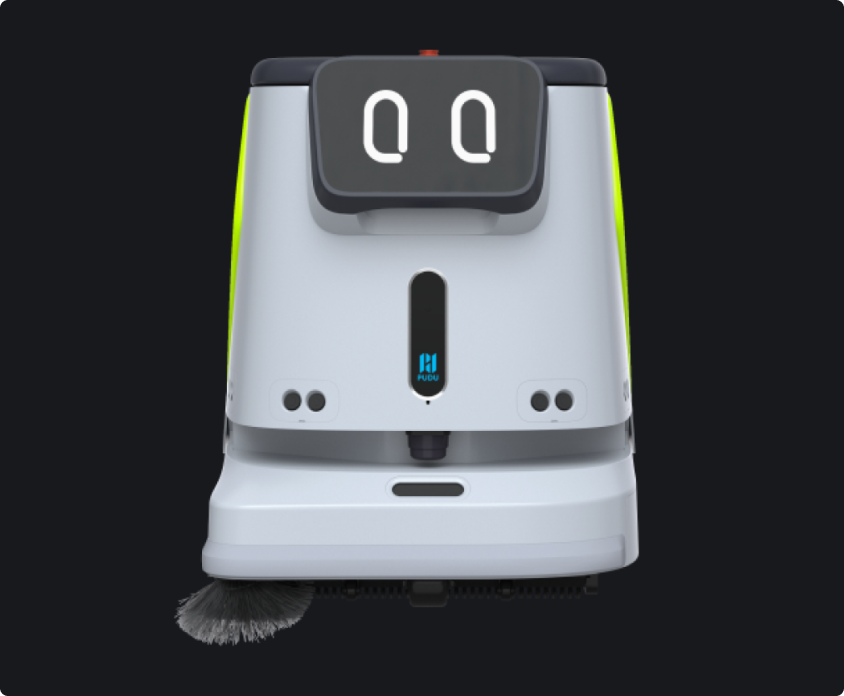
4-in-1 cleaning robot with vacuuming, sweeping, scrubbing, and mopping capability.
1 / 5
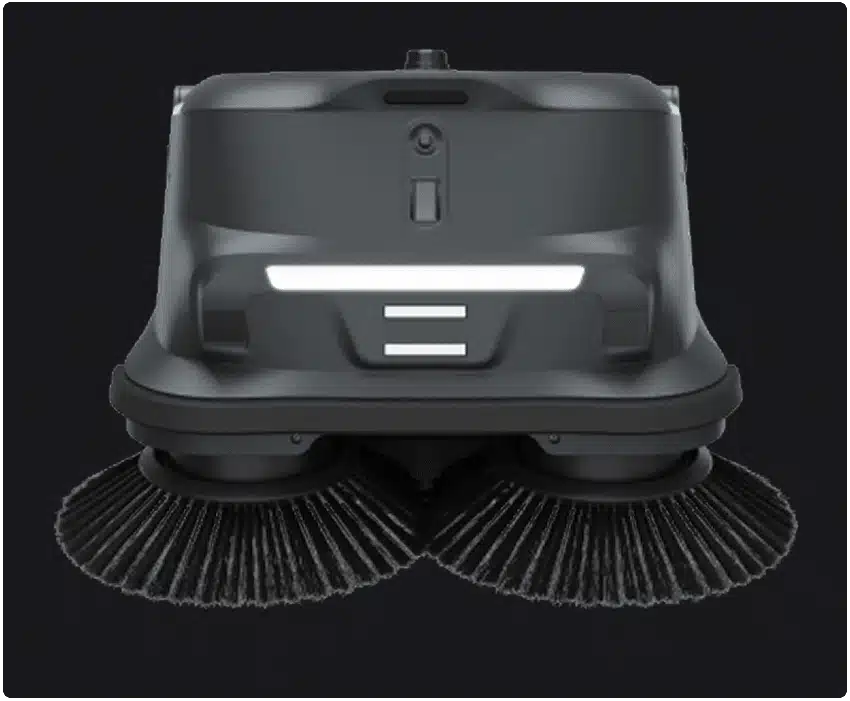
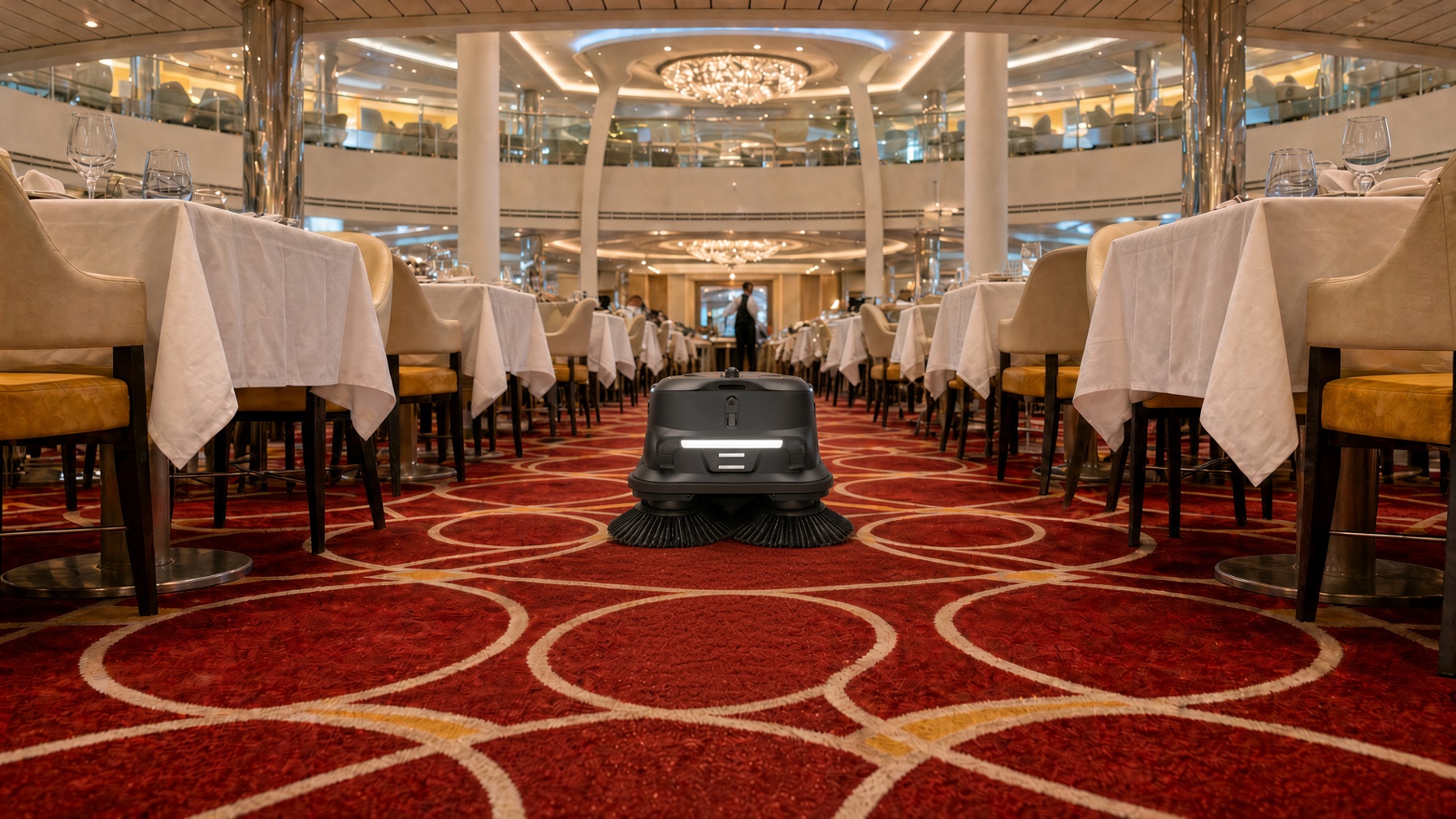
Heavy duty cleaning robot designed for large hard to clean large back of the house spaces.
1 / 5
Heavy duty delivery robot for handling large and heavy payloads up to 600kg.
1 / 5
Customer success concierge service robot to assist with customer needs.
1 / 5
1
8

Miami-Dade is using AI and robotics to build a smarter public workforce.

Robotics automates repetitive work while expanding frontline staff capacity.
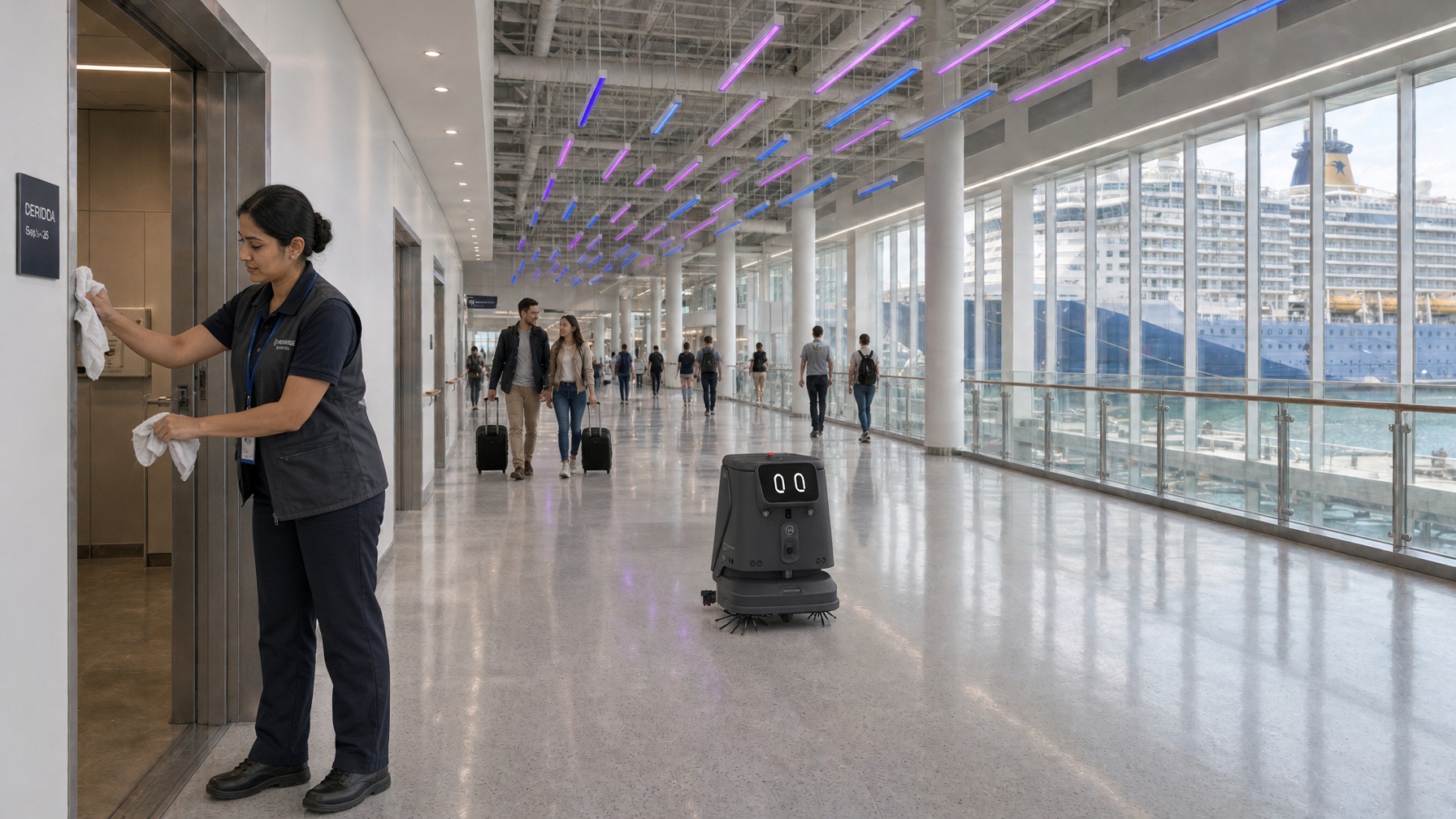
Cleaning robots help PortMiami keep terminals clean while expanding staff capacity.